

There is something undeniably magical about stepping into a kitchen filled with the aroma of freshly baked heritage sweets. Among generations of family baking traditions, Grandma Ricke’s Cookie Recipe stands tall as a true masterpiece of home-style baking. If you are on the hunt for a cookie that balances a delightfully crisp, golden-brown exterior with a pillowy, melt-in-your-mouth center, your search ends right here. Baking these treats isn’t just about following a set of instructions; it is about recreating a warm, nostalgic feeling that bridges generations and brings loved ones flocking straight to the kitchen island.
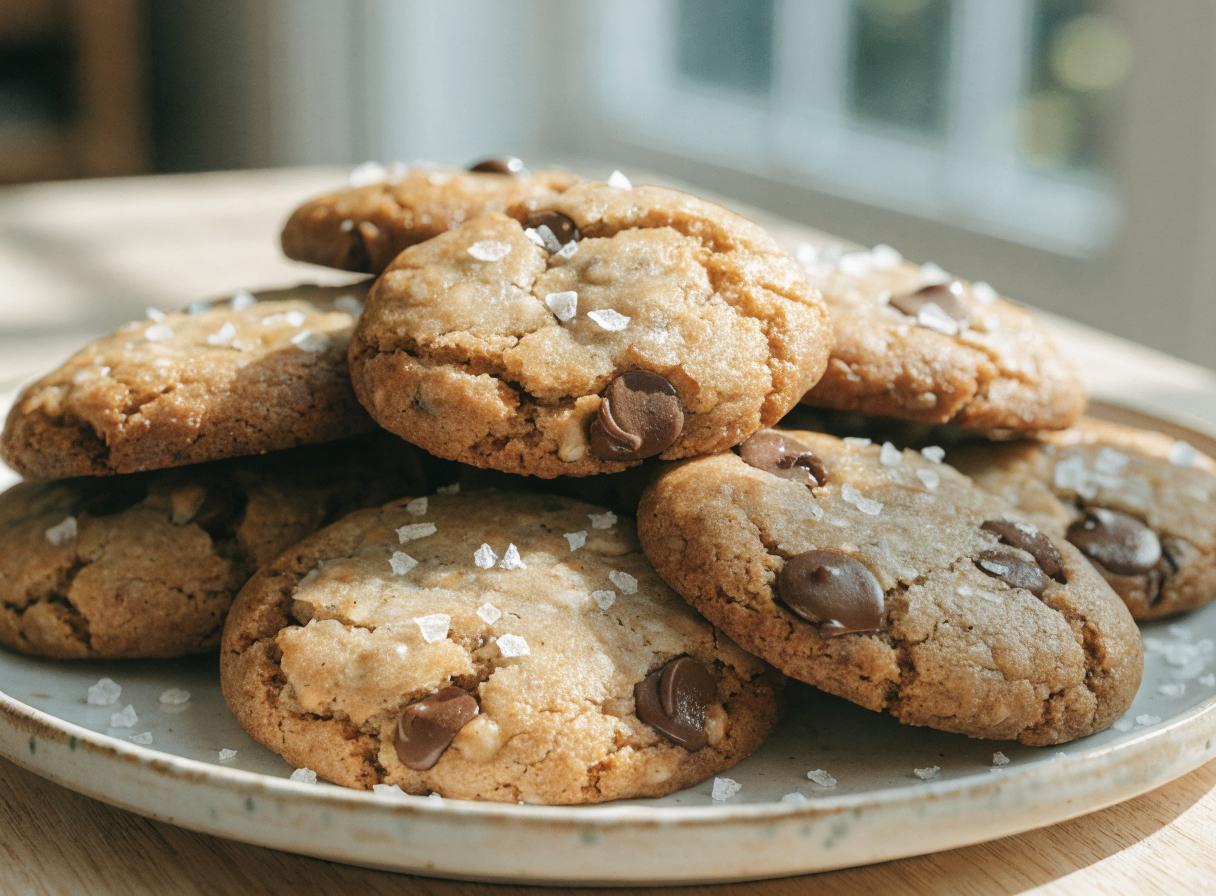
In the expansive world of culinary arts, heritage recipes survive the test of time for a very specific reason: balance. Unlike overly sweet commercial cookies or flat, heavy grocery store varieties, this traditional formulation relies on precise fat-to-flour ratios, the right balance of sugars, and a meticulous mixing technique. Whether you are baking for a cozy holiday gathering, packing school lunches, or simply treating yourself on a quiet Sunday afternoon, mastering this classic cookie elevates your home-baking game instantly. For more inspiration and traditional treats, feel free to explore our comprehensive baking blog for extra tips and timeless dessert ideas.
The Culinary Science Behind Grandma Ricke’s Cookie Recipe
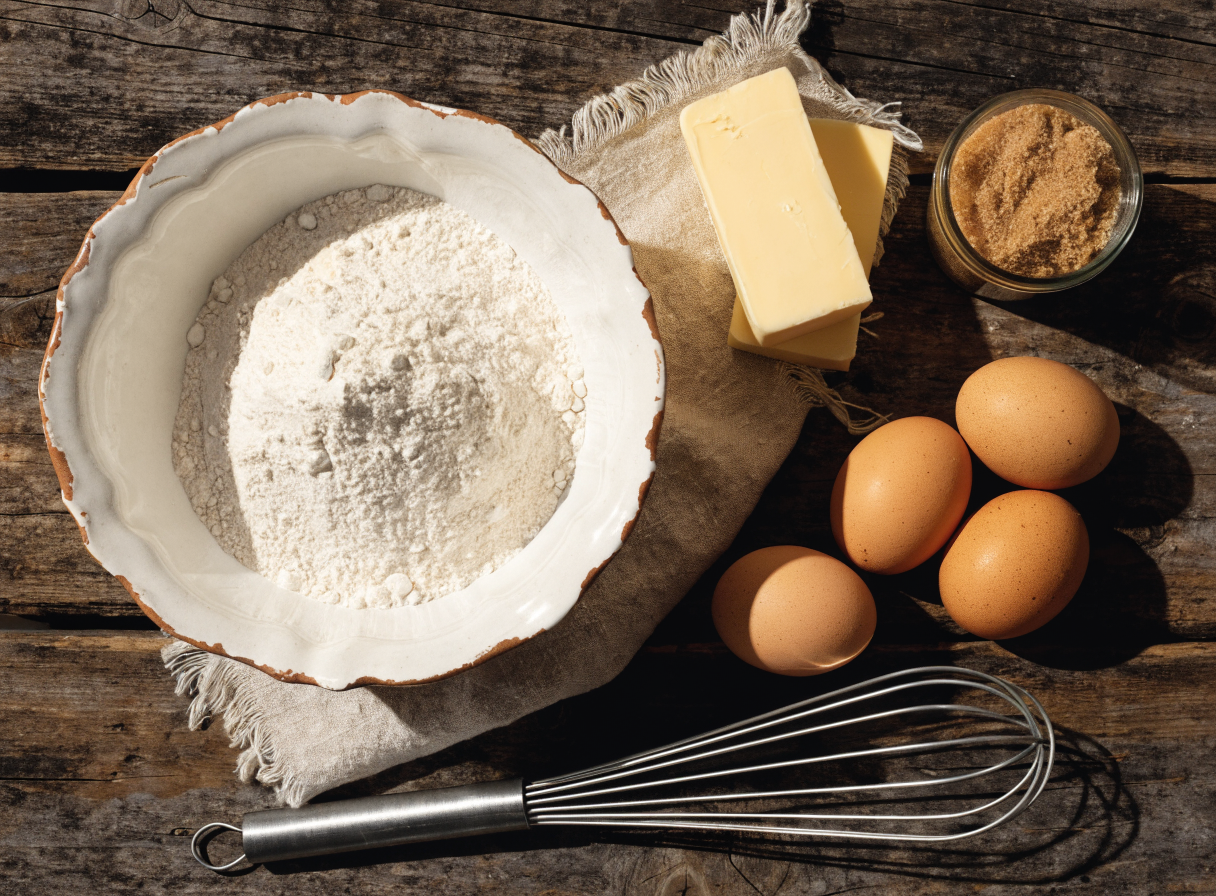
Every legendary dessert relies on sound culinary science, and Grandma Ricke’s Cookie Recipe is no exception. Understanding the ‘why’ behind the steps helps you achieve bakery-quality results every single time. The secret to the signature texture of this cherished cookie lies in the ratio of brown sugar to white granulated sugar. Brown sugar contains molasses, which introduces moisture and acidity. This moisture creates a denser, softer, and chewier crumb, while the white sugar encourages proper spreading and delicate crisp edges through caramelization during the baking process.
Furthermore, temperature control plays a massive role in how these cookies behave in the oven. Creaming room-temperature butter with the sugars incorporates tiny air pockets into the mixture. When these air pockets hit the heat of the oven, they expand with steam, giving the cookies a slight lift before they set. If you are looking to branch out into other comforting homemade dishes while your dough chills, you might also love experimenting with savory techniques, like learning why do you smash cucumbers in a salad to maximize flavor extraction in your savory side dishes!
Frequently Asked Questions About Baking Heritage Cookies
Can I freeze the dough for Grandma Ricke’s Cookie Recipe?
Yes, absolutely! Freezing unbaked cookie dough is one of the best time-saving hacks for busy home bakers. Scoop the dough into individual balls and flash-freeze them on a baking sheet before transferring them to a freezer-safe bag. You can bake them straight from frozen, simply adding 1 to 2 extra minutes to the total baking time.
Why did my cookies spread too flat in the oven?
If your cookies spread too thin, it is usually because the butter was too warm or melted when mixed, or the dough did not chill long enough before baking. Always ensure your butter is softened to room temperature—yielding slightly when pressed—rather than melting. Chilling the dough solidifies the butter, which slows down the spreading process in the oven.
Can I add mix-ins like chocolate chips or chopped nuts?
Definitely! While the original heirloom recipe is magnificent on its own, it serves as a wonderful canvas. Feel free to fold in semi-sweet chocolate chips, toasted pecans, or dried fruit during the final stage of mixing.
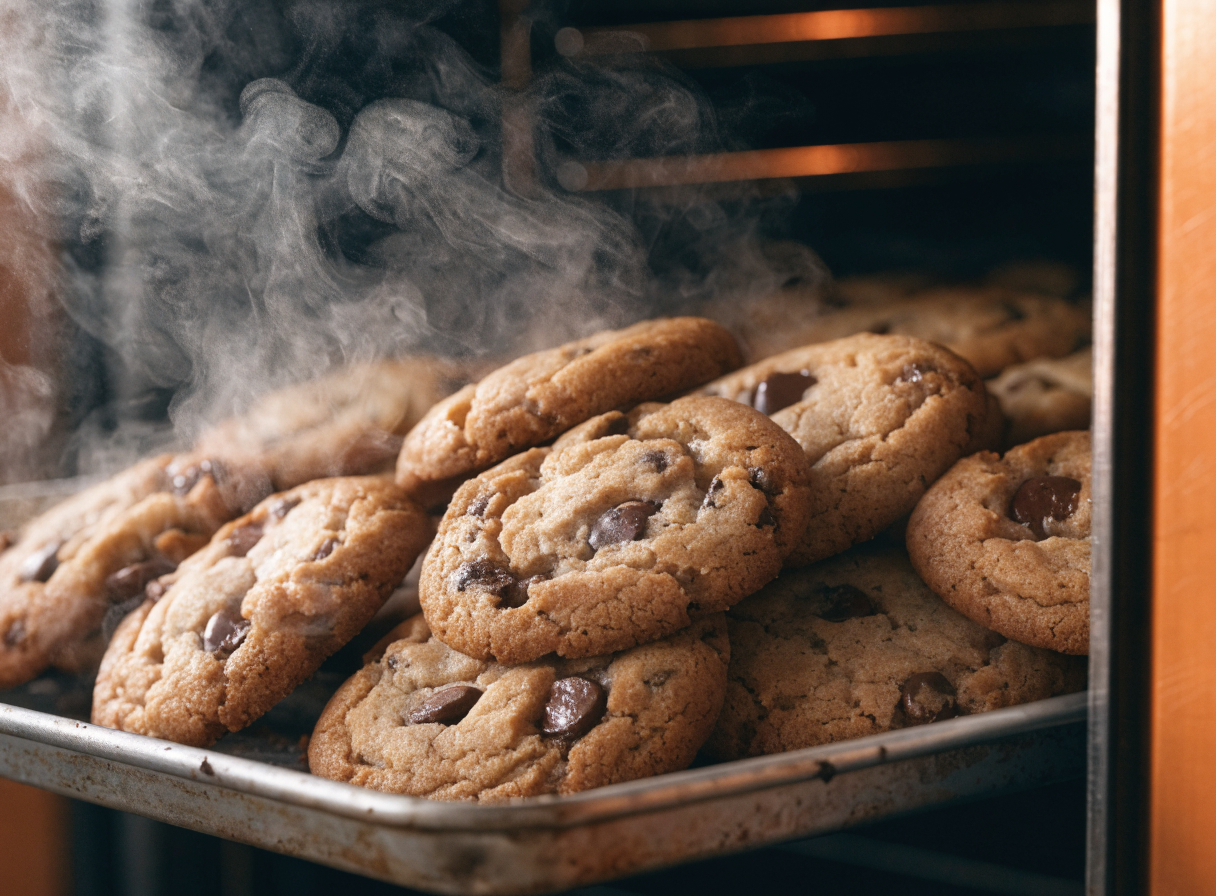
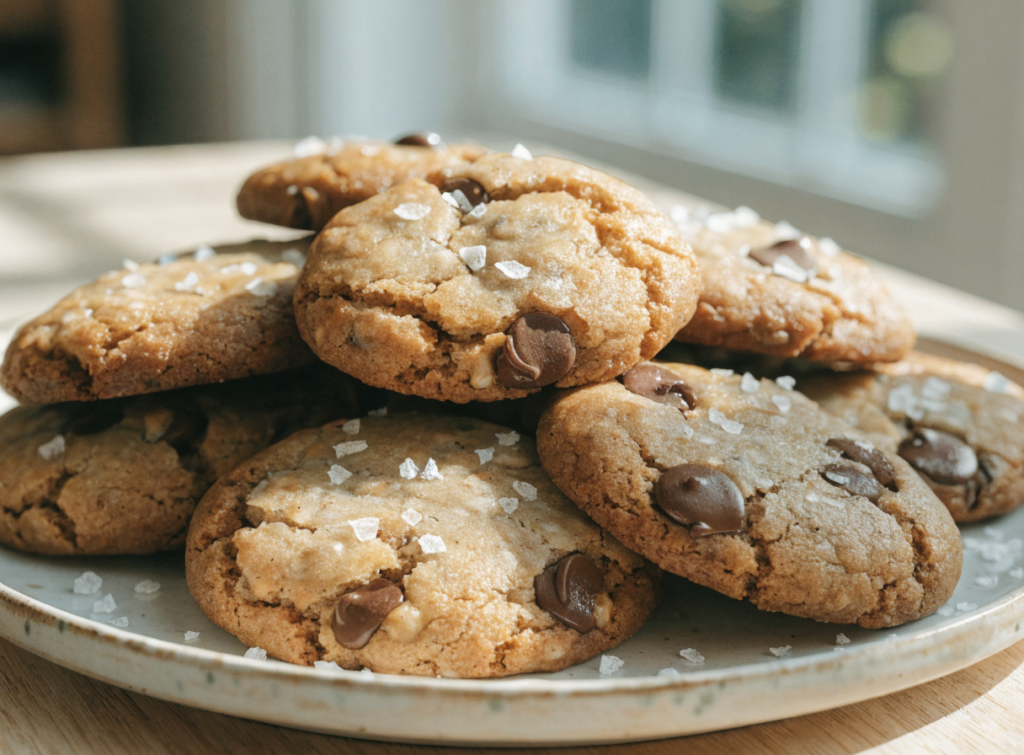

Grandma Ricke’s Cookie Recipe: Heirloom Treat
Description
A legendary family heirloom cookie featuring crisp edges, a chewy center, and an unforgettable buttery flavor profile.
Ingredients
Instructions
-
Whisk together flour, baking soda, and salt in a medium bowl.Ensure thoroughly combined.
-
In a large bowl, beat the softened butter, granulated sugar, and brown sugar together at medium speed until smooth and creamy.About 2 minutes.
-
Add the eggs one at a time, mixing well after each addition, then stir in the vanilla extract.Scrape down the sides of the bowl as needed.
-
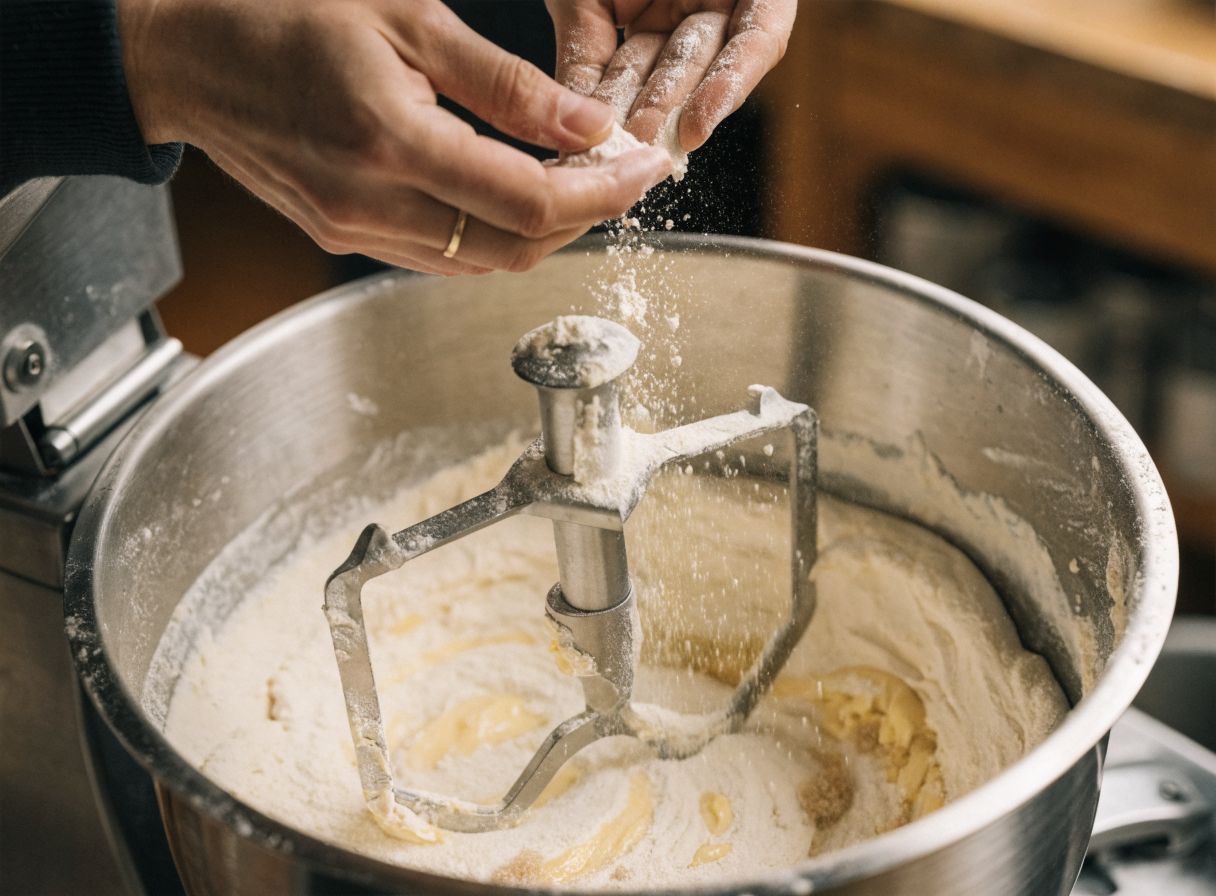
Gradually add the dry ingredients to the wet ingredients, mixing on low speed just until combined.Do not overmix.
-
Chill the cookie dough in the refrigerator for at least 30 minutes.This prevents excessive spreading.
-
Preheat your oven to 350°F (175°C) and line baking sheets with parchment paper.
-
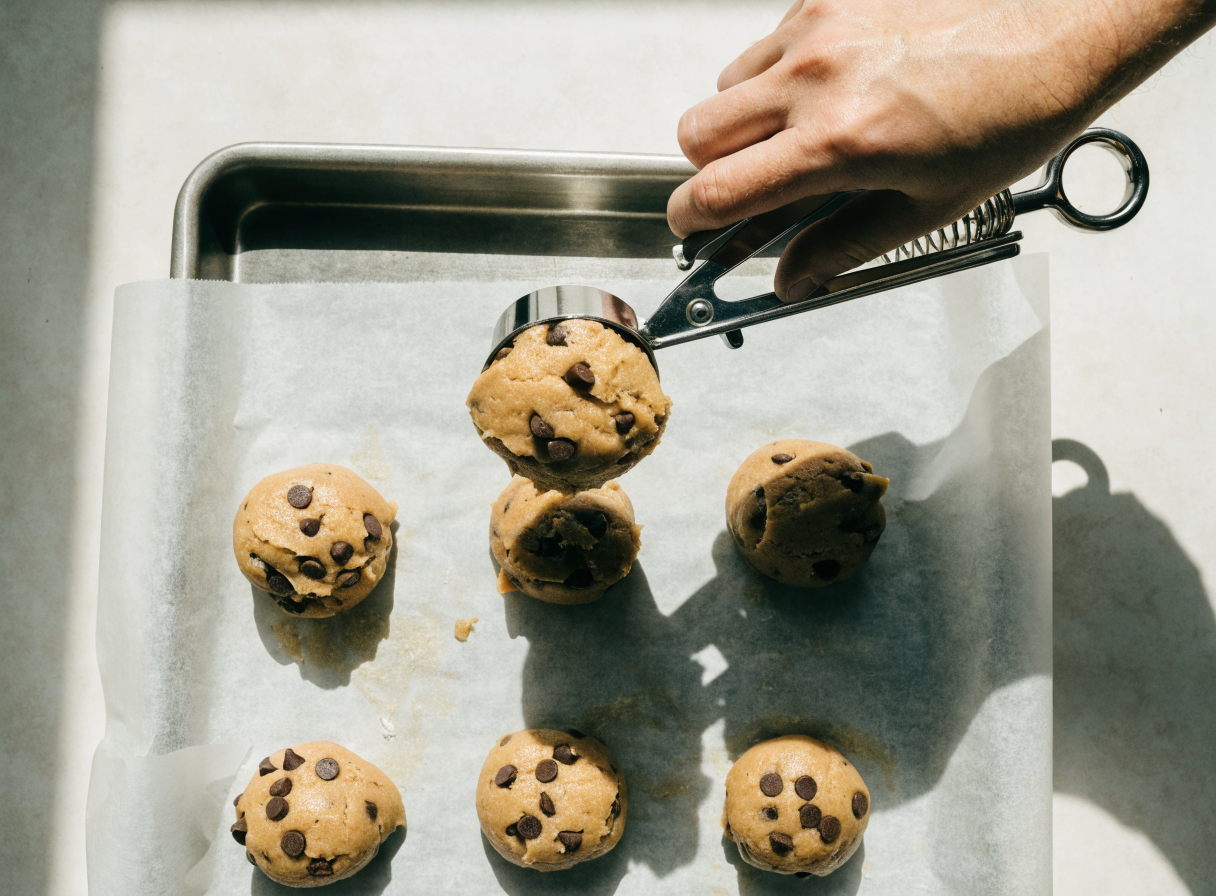
Scoop rounded tablespoons of dough and place them 2 inches apart on the prepared baking sheets.
-
Bake for 10 to 12 minutes, or until the edges are golden brown and the centers are still slightly soft.Cool on the pan for 5 minutes before transferring to a wire rack.
Nutrition Facts
Servings 24
- Amount Per Serving
- % Daily Value *
- Total Fat 10g16%
- Protein 2g4%
* Percent Daily Values are based on a 2,000 calorie diet. Your daily value may be higher or lower depending on your calorie needs.