

Table of Contents
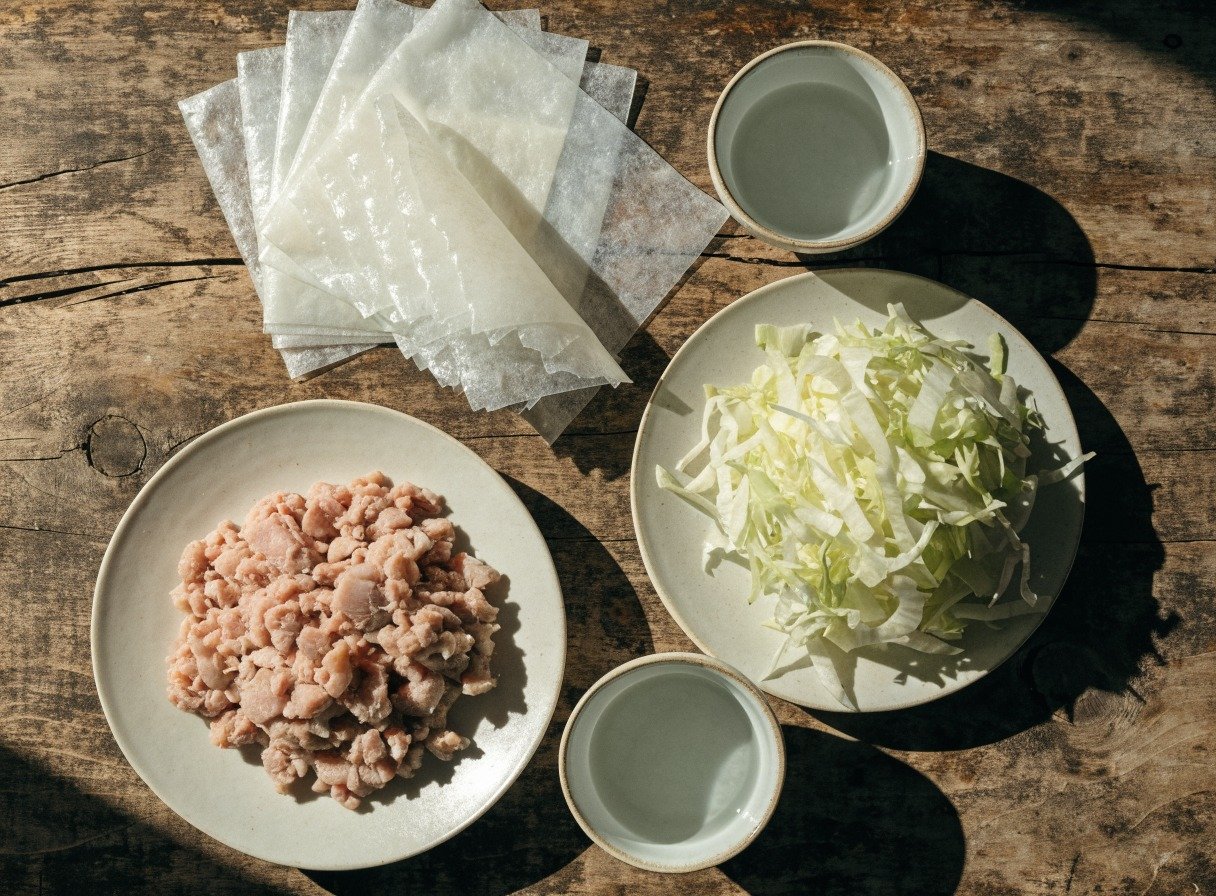
Why This Works
Working with translucent sheets of tapioca and rice flour can be frustrating if you treat them like traditional wheat pasta dough. Understanding how do you keep rice paper from tearing when making dumplings starts with mastering starch hydration and structural alteration.
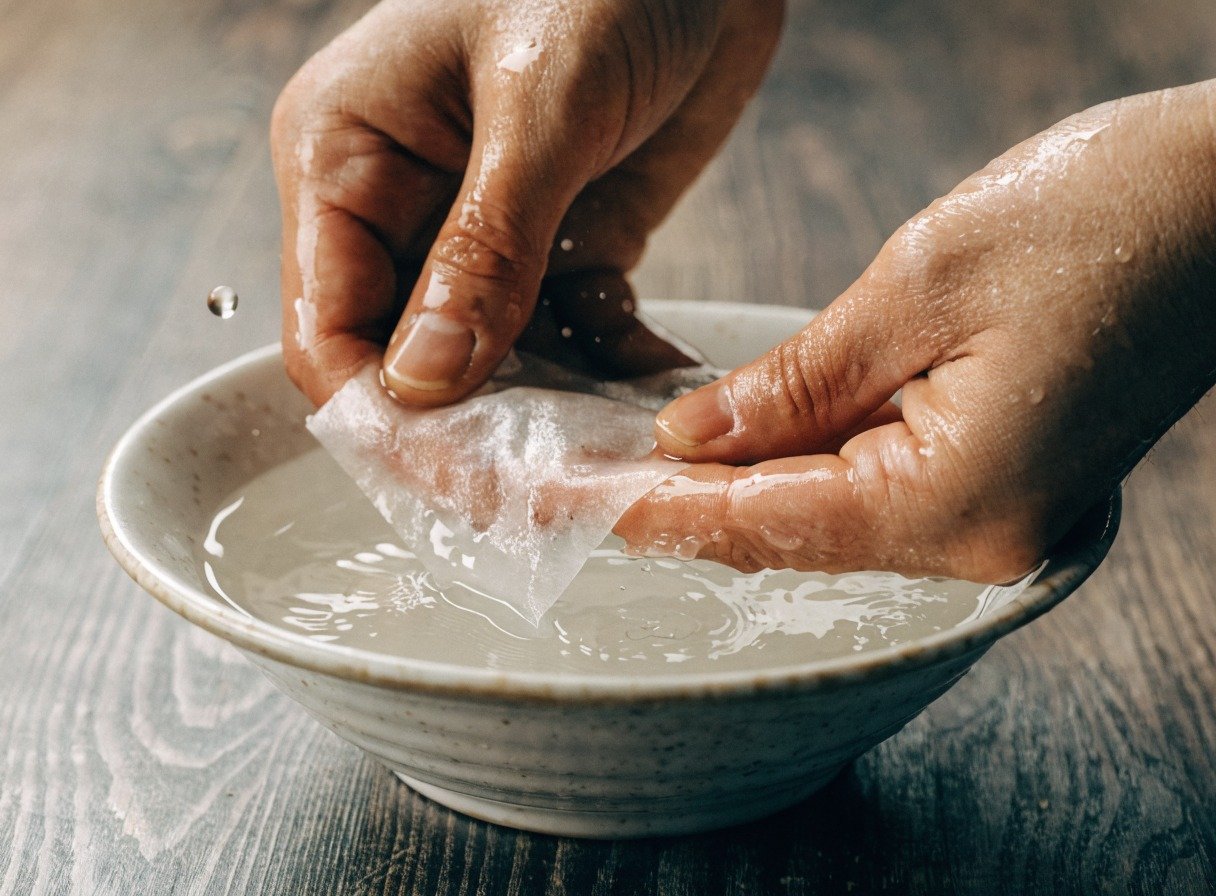
When you dip these wrappers into liquid, solute-solvent molecular movement dictates how fast the dry, crystalline starches absorb water. If you over-soak them, the amylose chains break down completely, leading to structural failure and a sticky mess.
To prevent this, you want to remove the wrapper from the warm water while it still feels slightly firm. The residual moisture will continue to soften the sheet on your clean cutting board while you prep your filling.
For more inspiration on Asian-fusion textures and snacks, take a look at our spicy crunch tuna crispy rice bites for unique crunch combinations. This pairs perfectly with our spicy crunch tuna crispy rice bites: Easy 5-Step Recipe.
Key Insights & Tips for Rice Paper Handling
Many home cooks struggle because they soak wrappers until they are completely limp in hot water. The secret to learning how do you keep rice paper from tearing when making dumplings is using lukewarm water instead of boiling or hot water.
Lukewarm water slows down gelatinization, giving you complete control over the pliability of the wrapper. You can also double-layer your wrappers if you are worried about structural integrity during pan-searing or deep-frying.
By applying a double-wrap technique, you create a stronger lipid-acid emulsion stability and enhance exterior crispness without blowing out the seams.
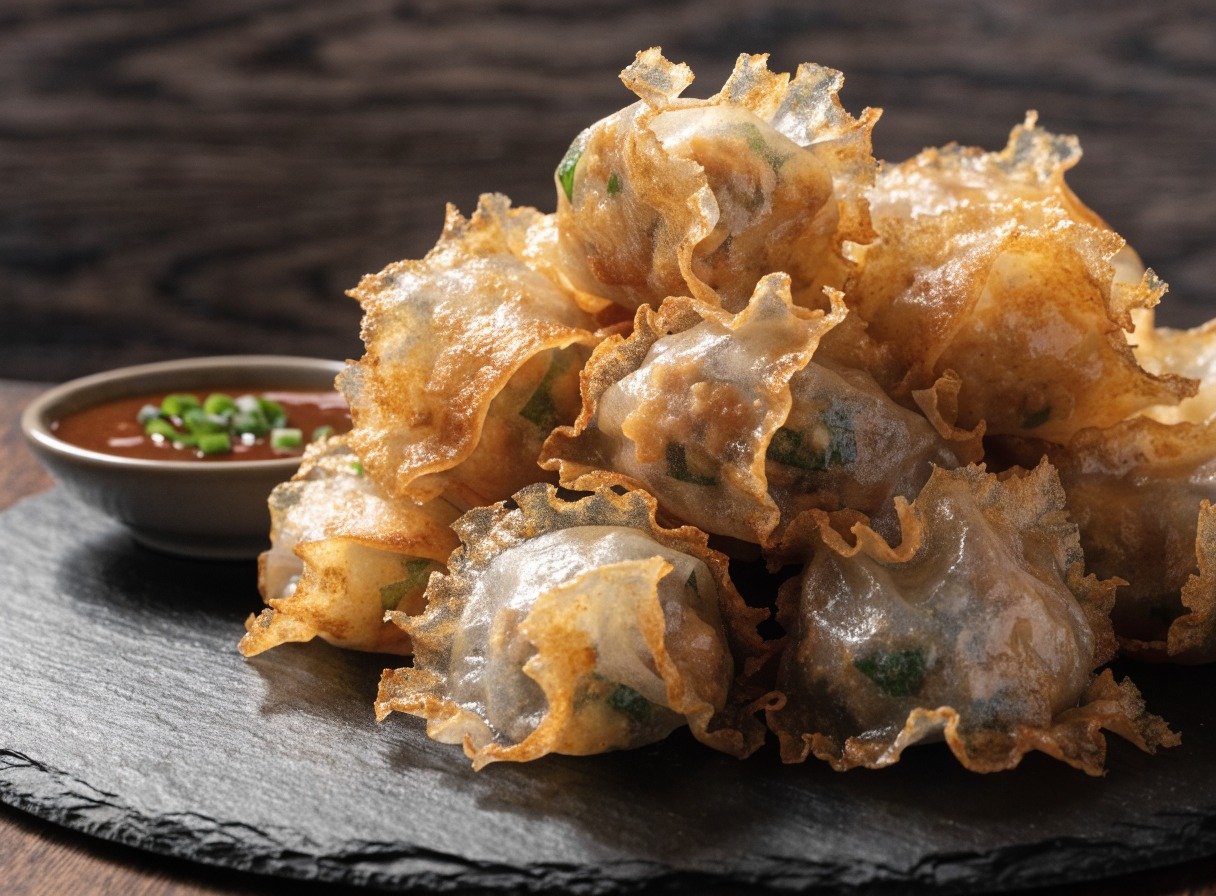
If you love crispy textures, check out our guide on crispy fried rice paper dumplings for delicious pan-frying methods. For another crowd-favorite, see our crispy fried rice paper dumplings: Easy 15-Minute Recipe.
Ingredients
- 10 sheets of round rice paper wrappers (22 cm diameter)
- 1 cup ground pork or finely minced shiitake mushrooms
- 1/2 cup shredded cabbage, tightly packed
- 2 green onions, finely chopped
- 1 tablespoon freshly grated ginger
- 1 clove garlic, minced
- 1 teaspoon toasted sesame oil
- 1 tablespoon soy sauce
- 1 tablespoon neutral cooking oil for pan-searing
- 1 bowl of lukewarm water (approx. 95°F / 35°C)
Instructions
- In a medium mixing bowl, combine your ground pork, cabbage, green onions, ginger, garlic, sesame oil, and soy sauce until fully incorporated.
- Fill a shallow pie dish or wide bowl with lukewarm water at 95°F (35°C). Avoid hot water to prevent rapid starch degradation.
- Submerge one rice paper sheet into the water for precisely 3 to 5 seconds. It should still feel slightly stiff when you remove it.
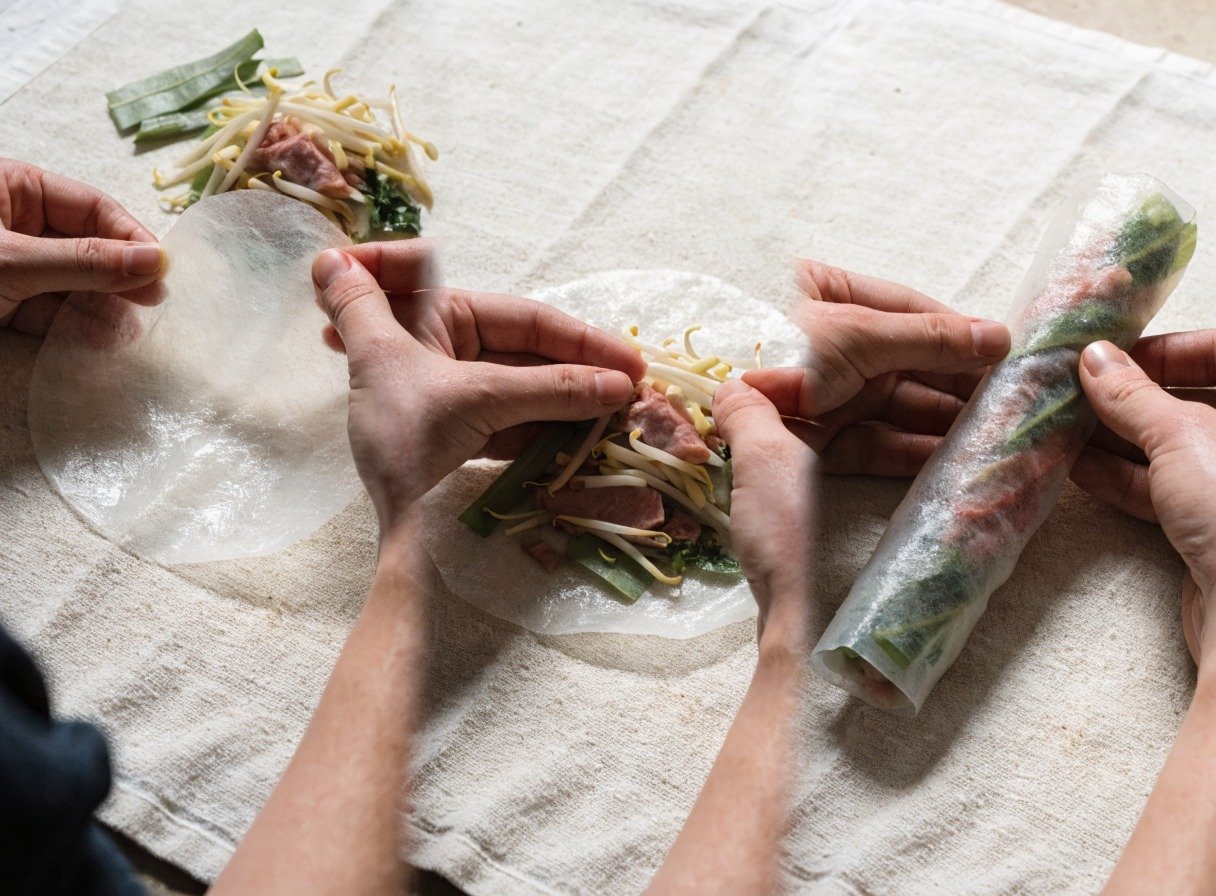
- Lay the damp wrapper flat on a damp kitchen towel or smooth cutting board. The sheet will finish softening on the surface as you work.
- Place a tablespoon of filling in the lower center of the wrapper, keeping the portions modest to avoid overfilling and blowouts.
- Fold the bottom edge over the filling, tuck in the left and right sides, and roll it forward tightly like a burrito.
- Repeat with the remaining wrappers, making sure they do not touch each other on the tray so they do not stick together.
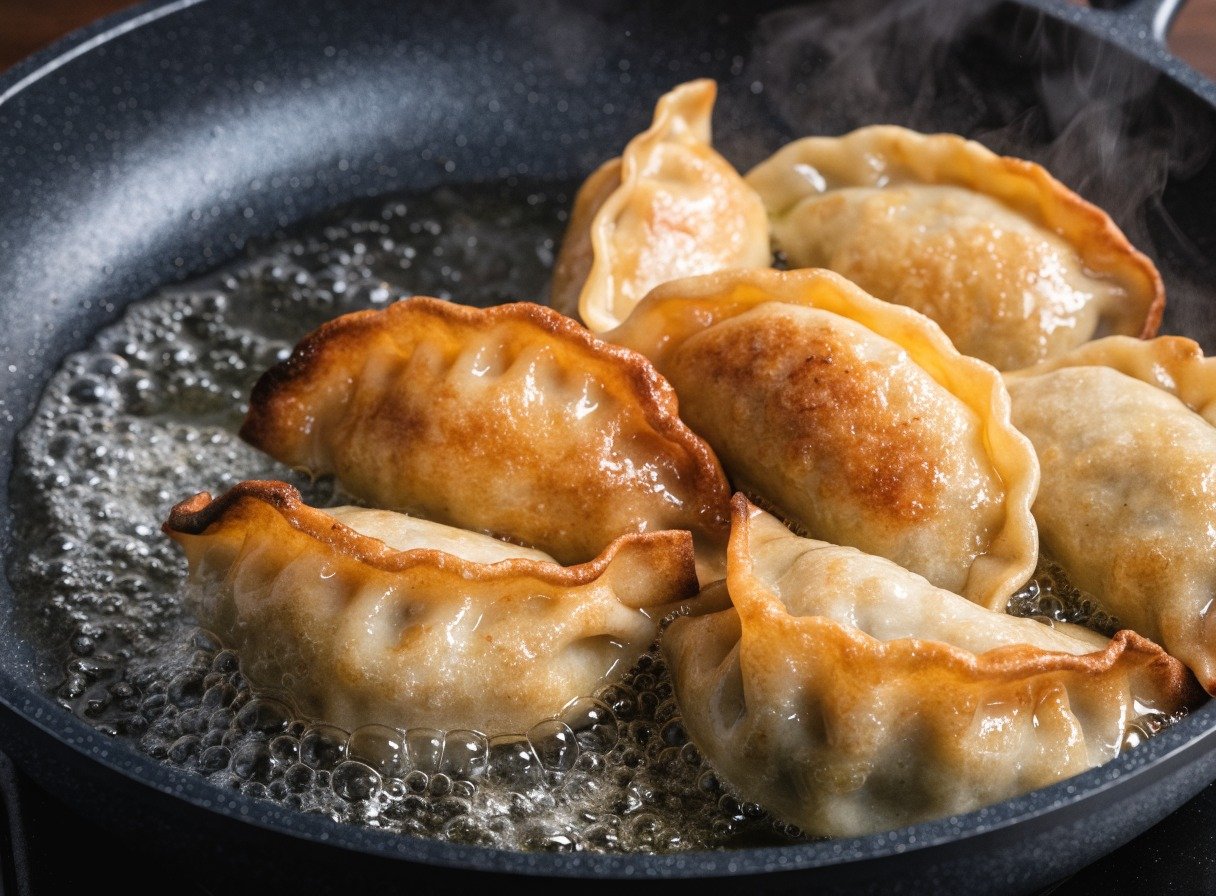
- Heat neutral cooking oil in a non-stick skillet over medium heat (approx. 350°F / 175°C) and pan-sear the dumplings for 3 minutes per side until golden brown.
Chef’s Troubleshooting Matrix
| Issue | Scientific Cause | Instant Fix |
|---|---|---|
| Wrappers tearing during rolling | Over-hydration causing excessive starch retrogradation and cell-wall fracturing. | Use cooler water and pull the wrapper out while still firm; let it soften on the board. |
| Dumplings sticking to the pan | Inadequate fat barrier or surface area ratio disruption against high heat. | Increase neutral oil slightly and ensure pan reaches 350°F (175°C) before adding dumplings. |
| Filling bursting out of seams | Excess moisture in vegetable cell walls creating internal steam pressure. | Salt and squeeze excess water from your cabbage before mixing the filling. |
Frequently Asked Questions
Can I make these dumplings ahead of time?
Rice paper wrappers tend to dry out or stick together in the refrigerator if left un-fried. It is best to wrap and cook them immediately, or keep them separated by parchment paper in an airtight container for no more than two hours.
Why does my rice paper stick to my cutting board?
Starch molecules love to bond with dry wooden or plastic surfaces once hydrated. Always work on a damp cutting board or lay down a clean, damp kitchen towel to prevent sticking.
Can I bake these instead of pan-frying?
Yes, you can brush them lightly with oil and bake them at 400°F (200°C) for 15 minutes, though pan-frying gives a much better crunch.
For more culinary science tips and fantastic kitchen ideas, check out the resources at the United States Department of Agriculture for food safety guidelines.
📖 You might also love these How recipes:
- → You can also explore our crispy fried rice paper dumplings: Easy 15-Minute Recipe
- → A great companion recipe is our spicy crunch tuna crispy rice bites: Easy 5-Step Recipe
- → For a similar technique, check out our Salted Caramel Rice Krispie Bars
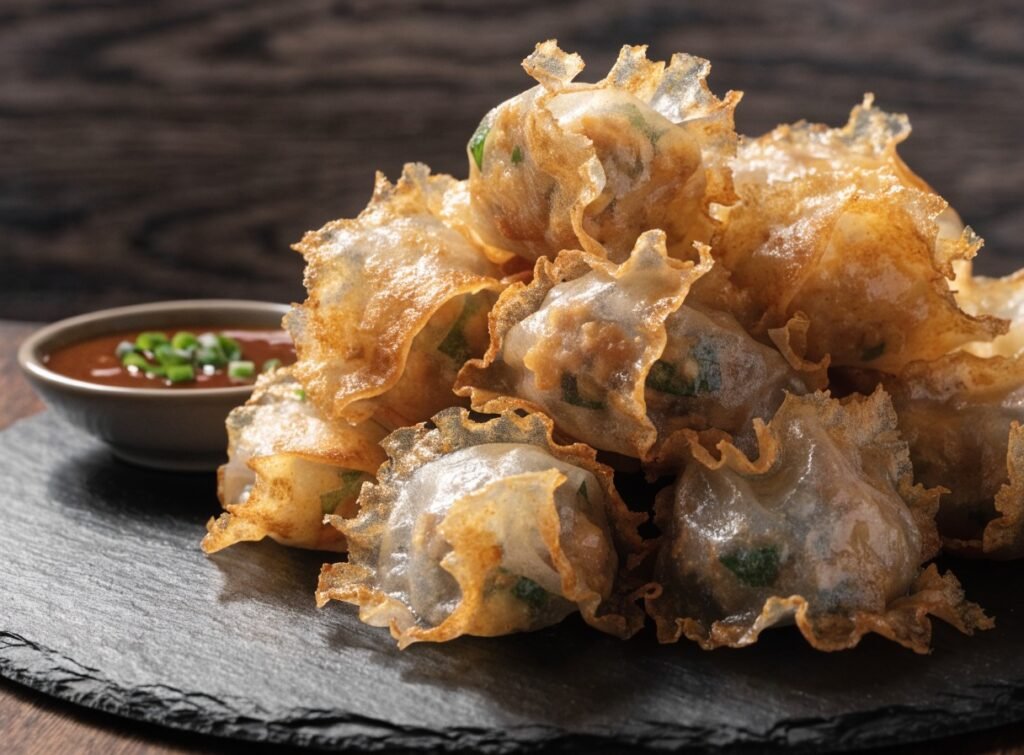

How do you keep rice paper from tearing when making dumplings?: Easy 3-Step Guide
Description
Master how do you keep rice paper from tearing when making dumplings with this easy, foolproof recipe guide and chef tips.Ingredients
Instructions
-
Mix filling ingredients in a bowl.Ensure cabbage is drained.
Nutrition Facts
Servings 4
- Amount Per Serving
- Calories 280kcal
- % Daily Value *
- Total Fat 10g16%
- Saturated Fat 2g10%
- Cholesterol 30mg10%
- Sodium 420mg18%
- Total Carbohydrate 35g12%
- Dietary Fiber 2g8%
- Sugars 2g
- Protein 12g24%
* Percent Daily Values are based on a 2,000 calorie diet. Your daily value may be higher or lower depending on your calorie needs.