

Table of Contents
Why This Works
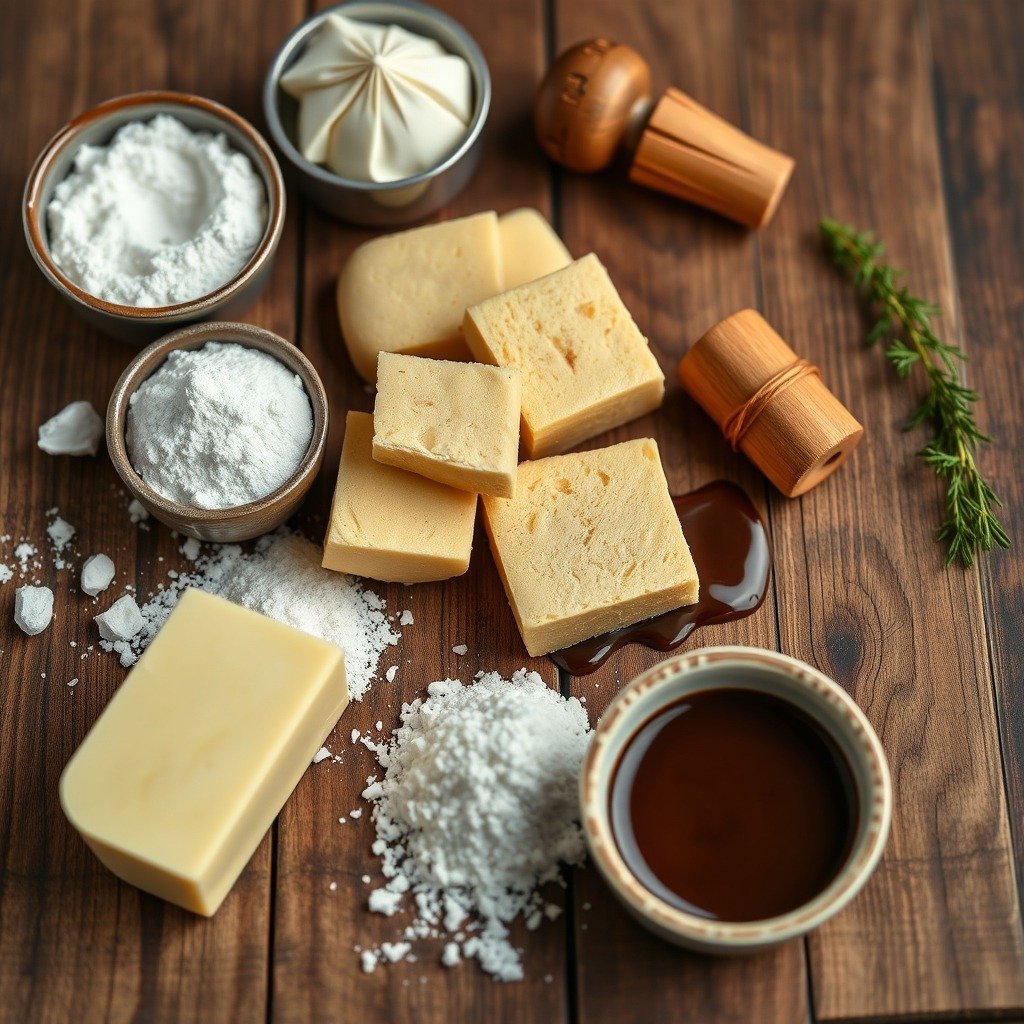
Understanding how to fix runny buttercream without icing sugar starts with examining lipid-acid emulsion stability, non-polar volatile aroma extraction, and acidity balancing. When your frosting separates or turns into soup, the fats have melted past their structural threshold, often between 75°F to 80°F (24°C to 27°C).
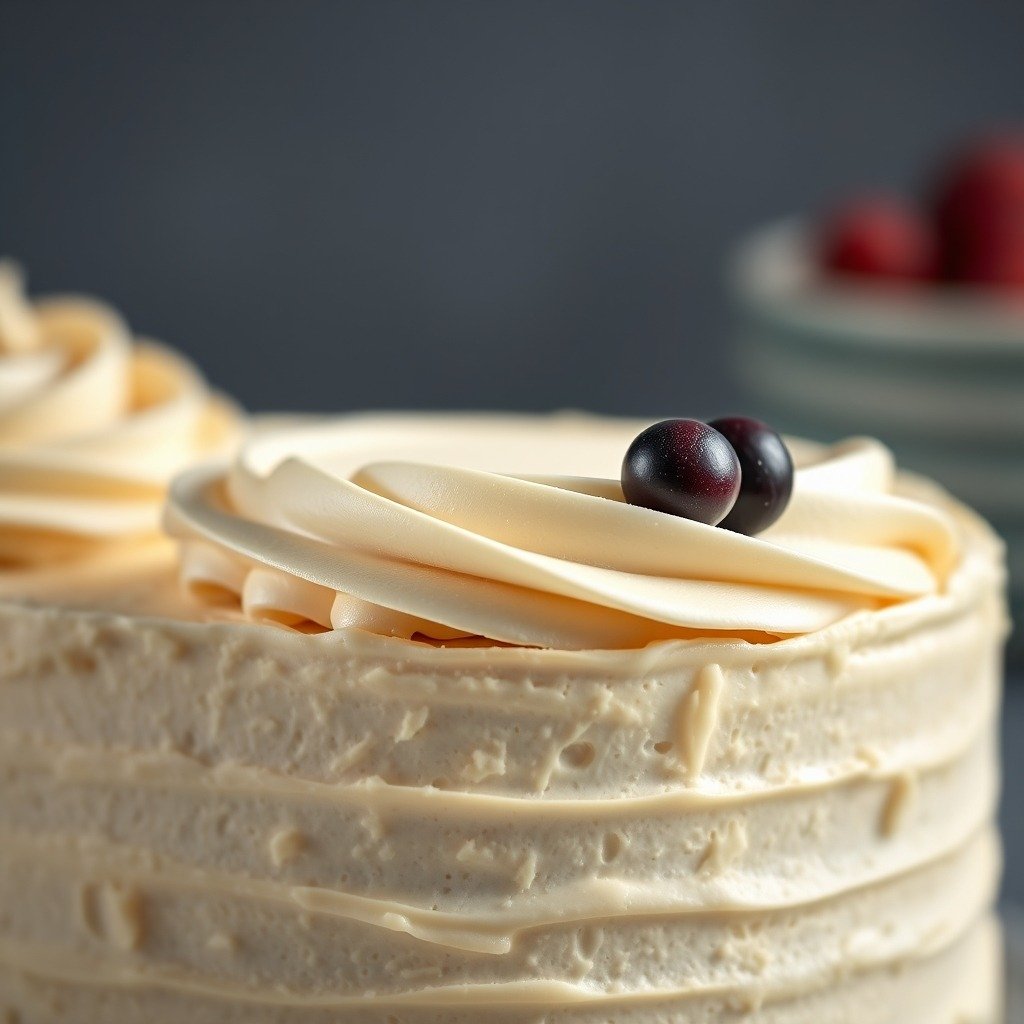
Instead of relying on mountains of powdered sugar, we leverage solute-solvent molecular movement, osmotic moisture drawing, salt crystallization, starch retrogradation, and protein denaturation. For more kitchen wisdom, explore Grandma Ricke’s cookie recipe to see how fat ratios affect structural integrity.
Surface area ratio and structural alteration also play massive roles. Techniques like crushing versus slicing or cell-wall fracturing help absorb free moisture instantly without altering the fundamental sweetness profile of your dessert.
Ingredients
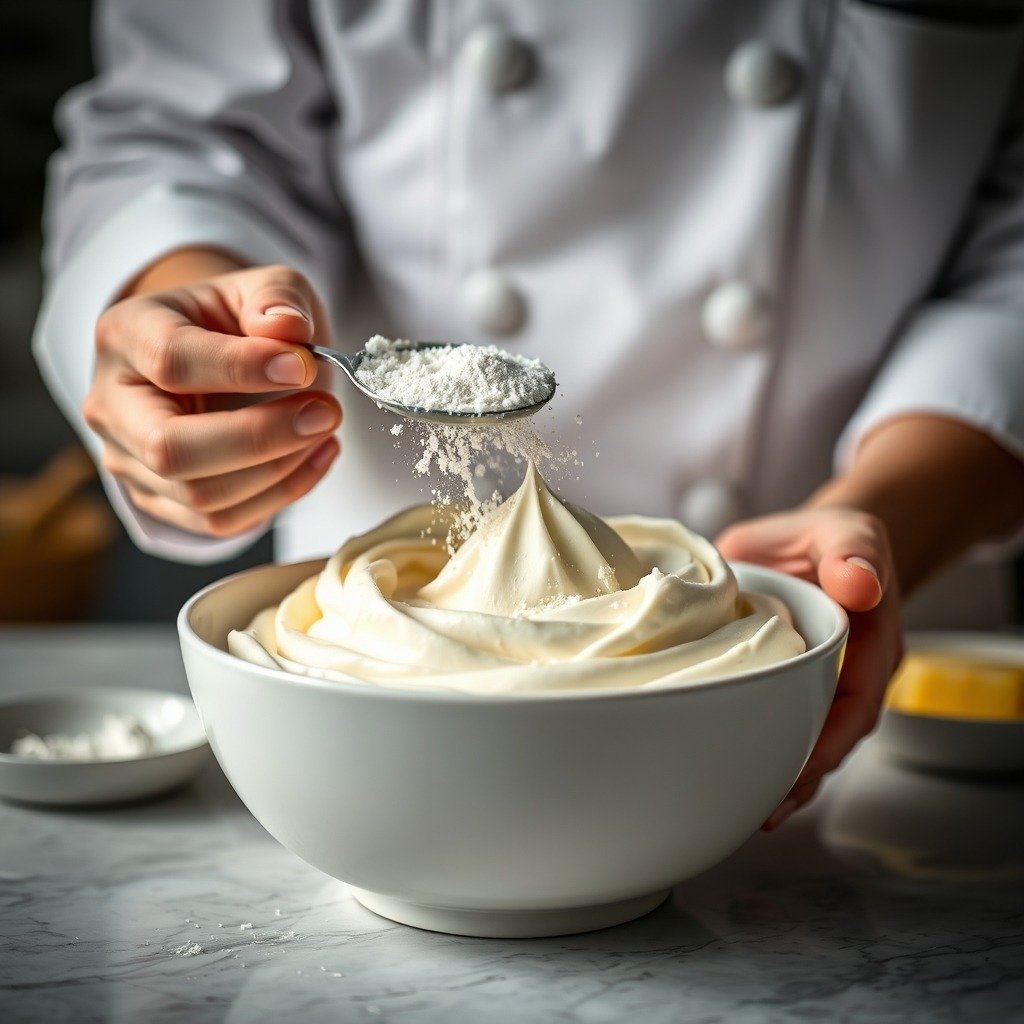
- 1 cup (226g) Unsalted Butter, softened at 68°F (20°C)
- 2 tbsp Cornstarch or Tapioca Starch (moisture absorbent)
- 3 tbsp Melted White or Dark Chocolate (cooled to 85°F / 29°C for structural binding)
- 1 tbsp Heavy Cream (chilled, optional adjuster)
- 1 tsp Pure Vanilla Extract
Instructions
- Chill the runny buttercream bowl in the refrigerator for 10 to 15 minutes to firm up the saturated fats.
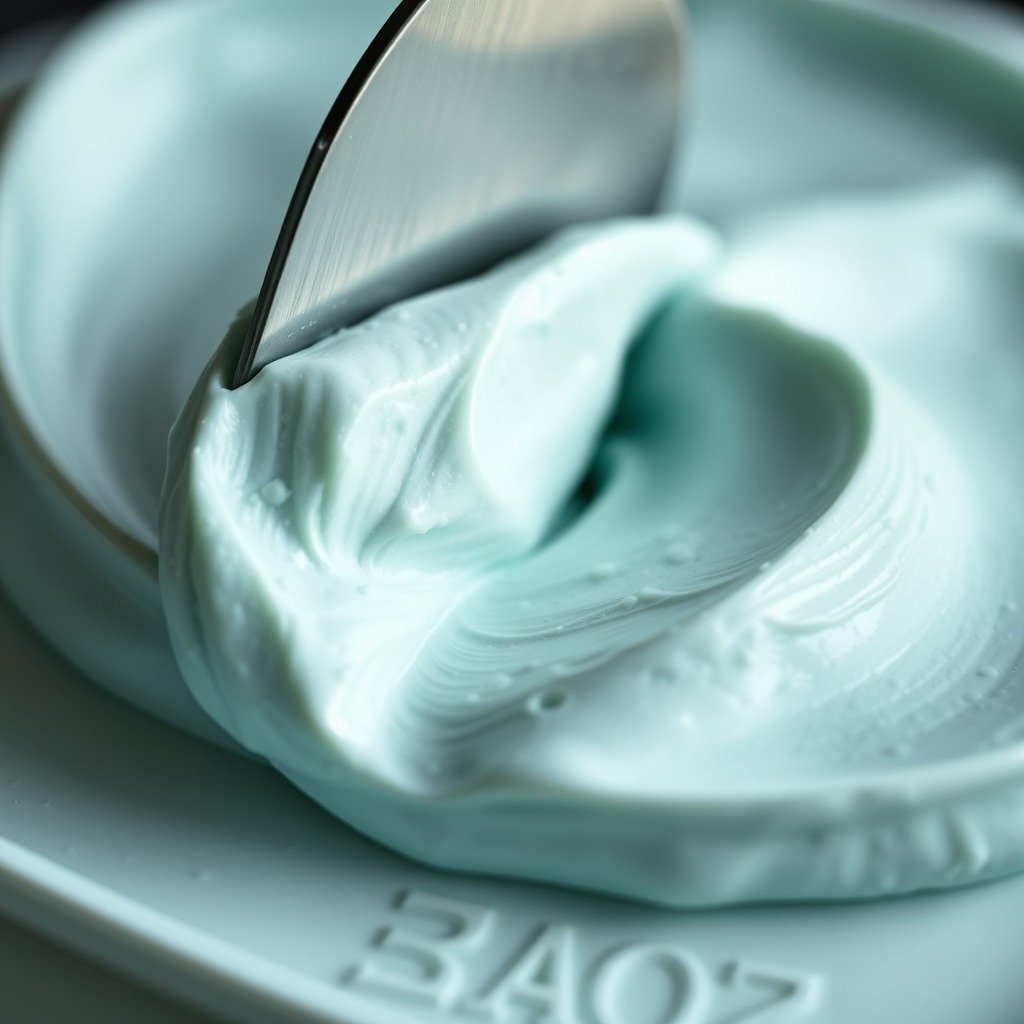
- Remove the bowl and sift in 2 tablespoons of cornstarch, ensuring no lumps form.
- Beat the mixture on medium-low speed for 60 seconds to initiate starch retrogradation and lock up excess liquid.
- If the mixture remains loose, slowly drizzle in tempered, cooled melted chocolate while mixing continuously.
- Whip on high speed for 30 seconds to restore fluffy texture and volume.
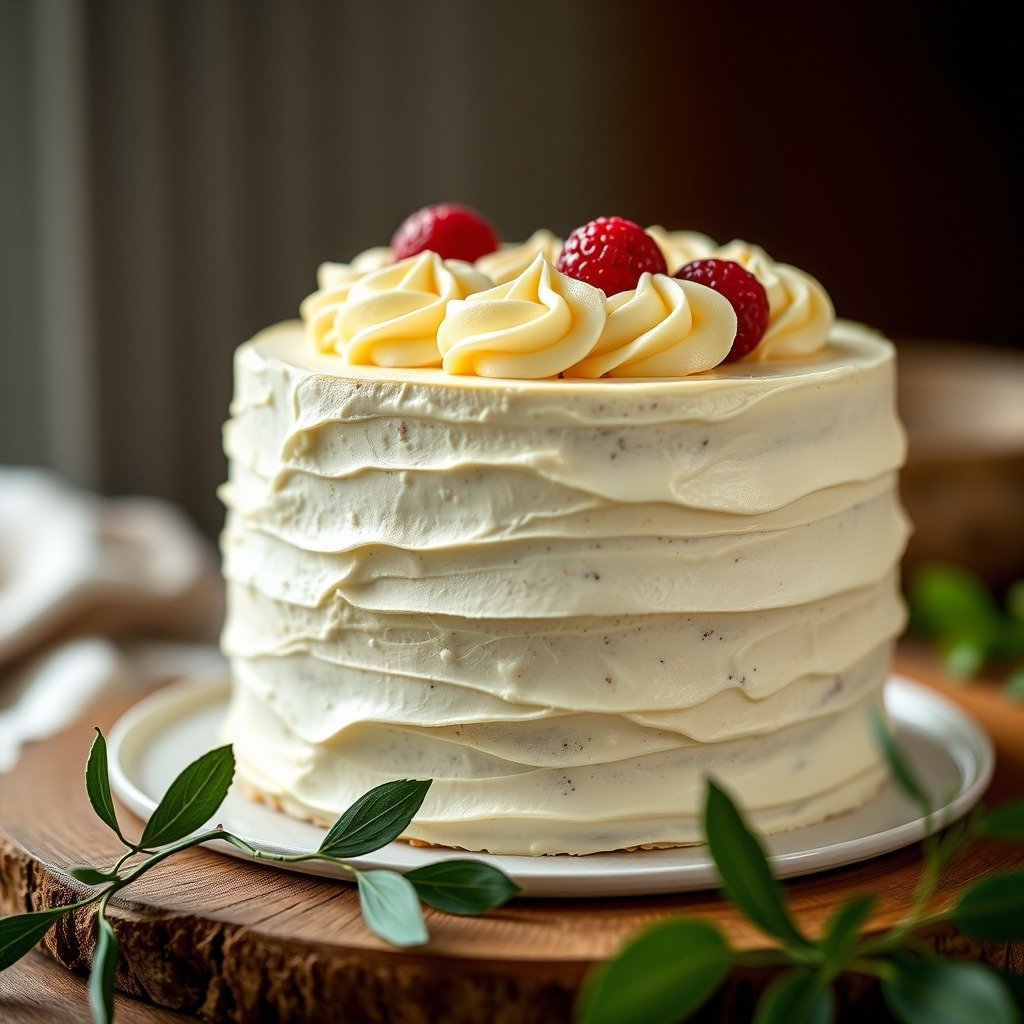
Chef’s Troubleshooting Matrix
| Issue | Scientific Cause | Instant Fix |
|---|---|---|
| Grainy Frosting | Sugar crystals dissolved improperly or butter split due to cold temperature shock. | Warm 2 tablespoons of the mixture, then re-blend into the main bowl. |
| Soupy Buttercream | Ambient kitchen temperature exceeded 80°F (27°C), melting butter emulsions. | Apply how to fix runny buttercream without icing sugar methods using cornstarch or chocolate. |
| Curdled Texture | Temperature mismatch between cold dairy and warm fat components. | Gently heat the exterior of the mixing bowl with a warm towel while whipping. |
Expert Tips for Success
Mastering how to fix runny buttercream without icing sugar requires strict temperature control. Always monitor your kitchen climate before starting any baking project.
You can also check out guidelines from the USDA regarding safe dairy storage temperatures to ensure your ingredients remain fresh and stable.
For more inspiration on pairing textures, look at how you might use fillings similar to rice paper dumpling fillings for creative dessert concepts.
Frequently Asked Questions
How long does it take to make how to fix runny buttercream without icing sugar?
The entire correction process takes roughly 10 to 15 minutes, including a brief chilling step to stabilize the butter.
What is the secret to perfect how to fix runny buttercream without icing sugar?
The secret lies in using starch thickeners like cornstarch or melted chocolate to absorb excess moisture without adding unwanted sweetness.
Can you make how to fix runny buttercream without icing sugar ahead of time?
Yes, you can prepare and stabilize your frosting ahead of time, then store it in an airtight container in the fridge for up to 5 days.
How do you store and reheat how to fix runny buttercream without icing sugar?
Store leftover frosting in the refrigerator. When ready to use, let it come to room temperature at 68°F (20°C) and whip it again to restore its airy consistency.

how to fix runny buttercream without icing sugar: Easy 15-Minute Guide
Description
A comprehensive guide on how to fix runny buttercream without icing sugar using kitchen staples.Ingredients
Instructions
-
Chill the runny buttercream bowl in the refrigerator for 10 to 15 minutes.Do not freeze.
Nutrition Facts
Servings 8
- Amount Per Serving
- Calories 320kcal
- % Daily Value *
- Total Fat 22g34%
- Saturated Fat 14g70%
- Cholesterol 60mg20%
- Sodium 45mg2%
- Total Carbohydrate 30g10%
- Dietary Fiber 1g4%
- Sugars 25g
- Protein 2g4%
* Percent Daily Values are based on a 2,000 calorie diet. Your daily value may be higher or lower depending on your calorie needs.