Table of Contents
🥗 Recipe Ingredients
- 2 cups fresh primary ingredient (prepared and washed)
- 2 tbsp extra virgin olive oil or toasted sesame oil
- 3 cloves fresh garlic, finely minced
- 1 tbsp acid component (lemon juice or vinegar)
- 1/2 tsp sea salt and freshly cracked black pepper to taste
- Fresh herbs for garnish (parsley, cilantro, or green onions)
Direct Answer
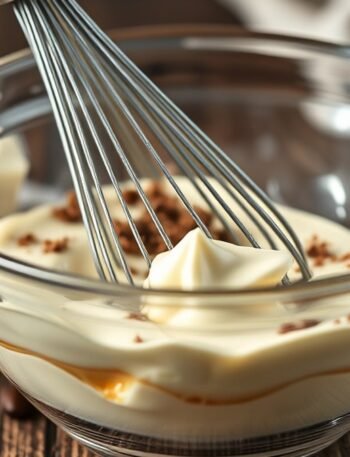
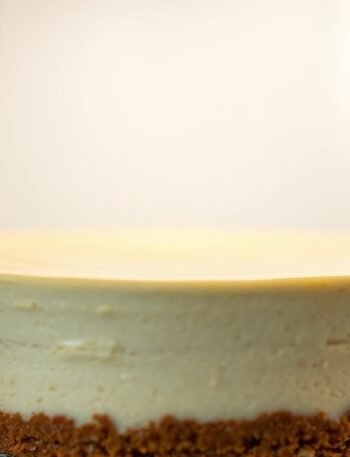
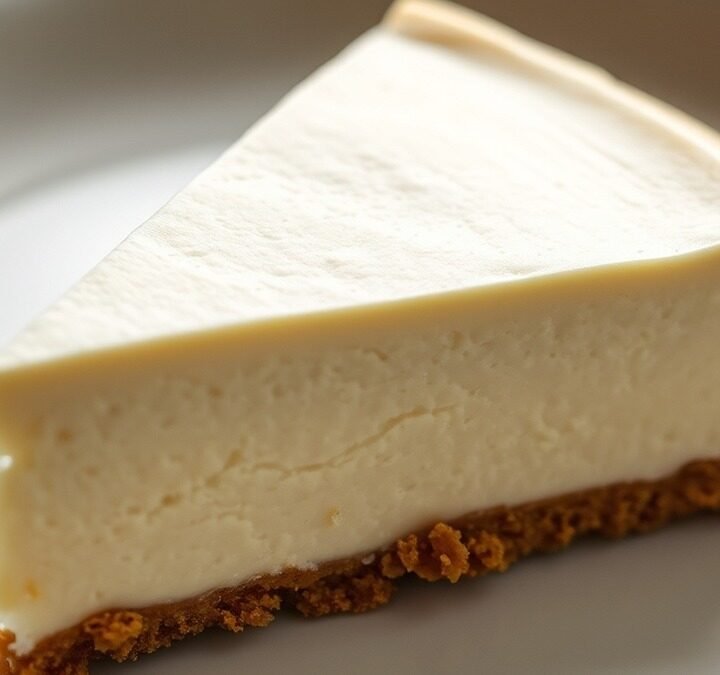
What is the secret to perfect runny no bake cheesecake filling? The secret lies in balancing high-fat dairy solids with precise temperature control and proper moisture management. By utilizing full-fat block cream cheese, heavy whipping cream whipped to stiff peaks, and a reliable setting agent like gelatin or powdered sugar, you prevent the emulsion from breaking and yielding a soup-like consistency.

Many home bakers struggle with getting the texture right, often wondering how long does it take to prepare runny no bake cheesecake filling while maintaining structural integrity. If your mixture fails to set, you can learn how to fix runny no bake cheesecake filling using simple rescue techniques.
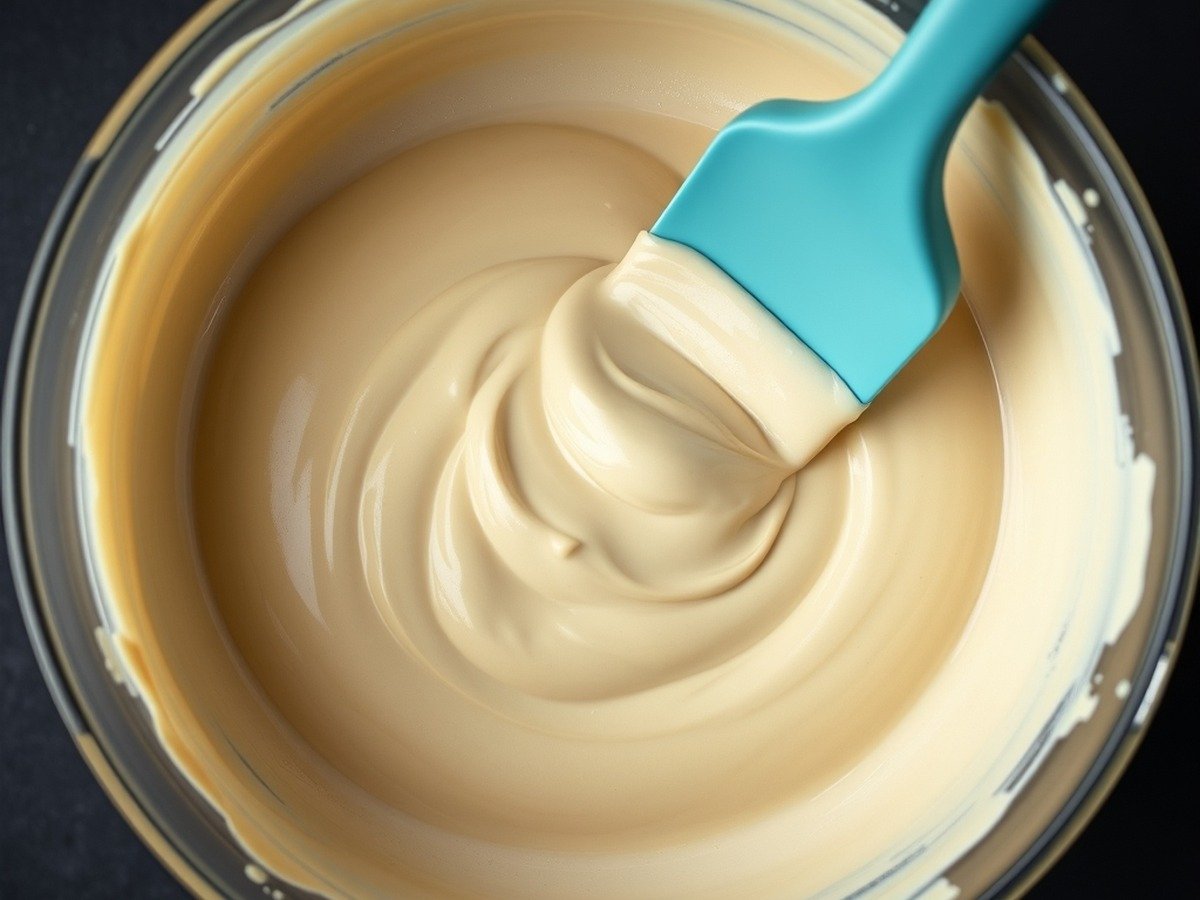
The Culinary Science of No-Bake Fillings
Understanding the chemistry of a refrigerator dessert requires examining how fat, water, and proteins interact. Cream cheese is an emulsion of milk fat, water, and milk solids stabilized by proteins. When you introduce heavy whipping cream, you add an additional layer of fat globules and air pockets that must remain suspended.
Unlike baked cheesecakes that rely on egg protein coagulation via thermal energy, no-bake versions rely entirely on thermodynamic cooling and physical fat crystallization. If the emulsion breaks—typically caused by too much liquid, insufficient fat content, or excessive heat—the water separates from the fat matrix, resulting in a runny, disappointing dessert. A great companion recipe is our how to fix runny no bake cheesecake filling: Easy 5-Step Guide.
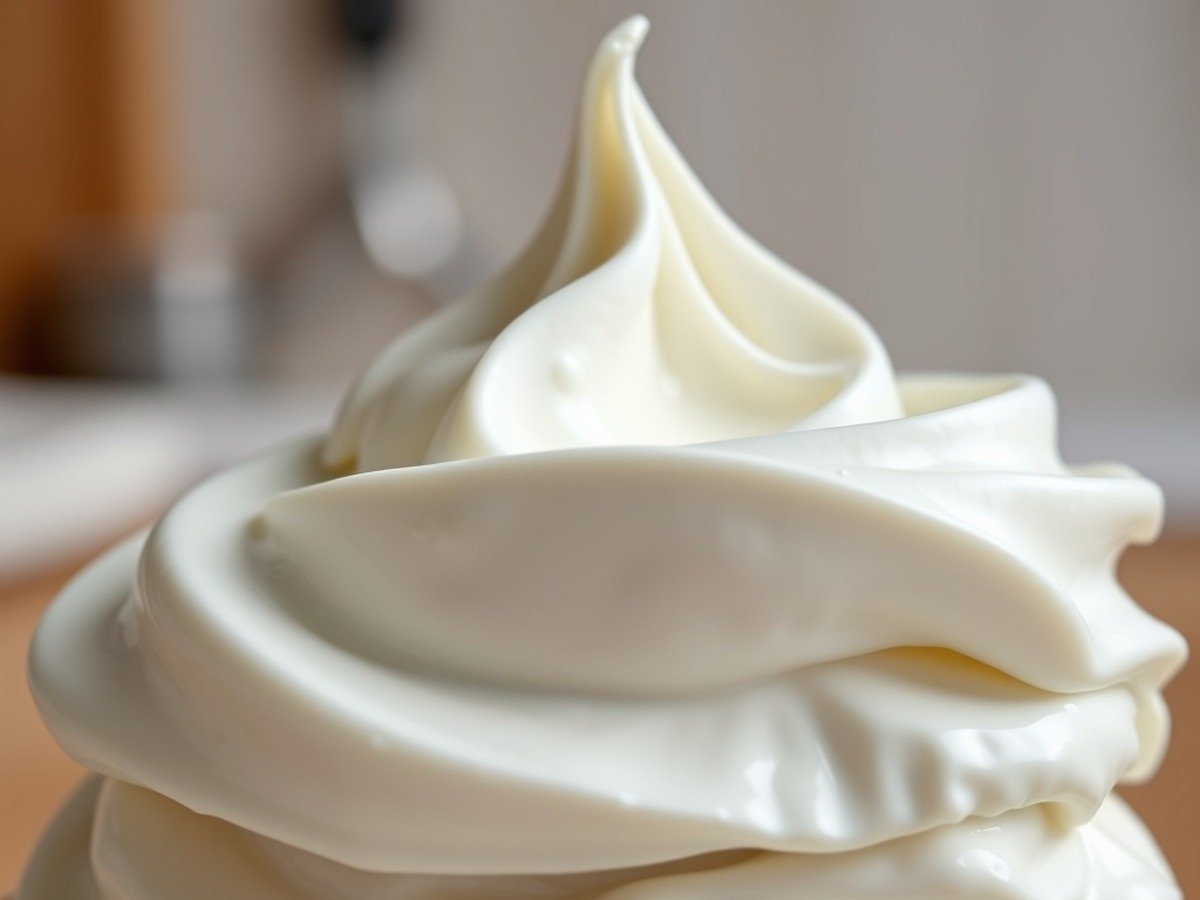
Role of Fat and Dairy Selection
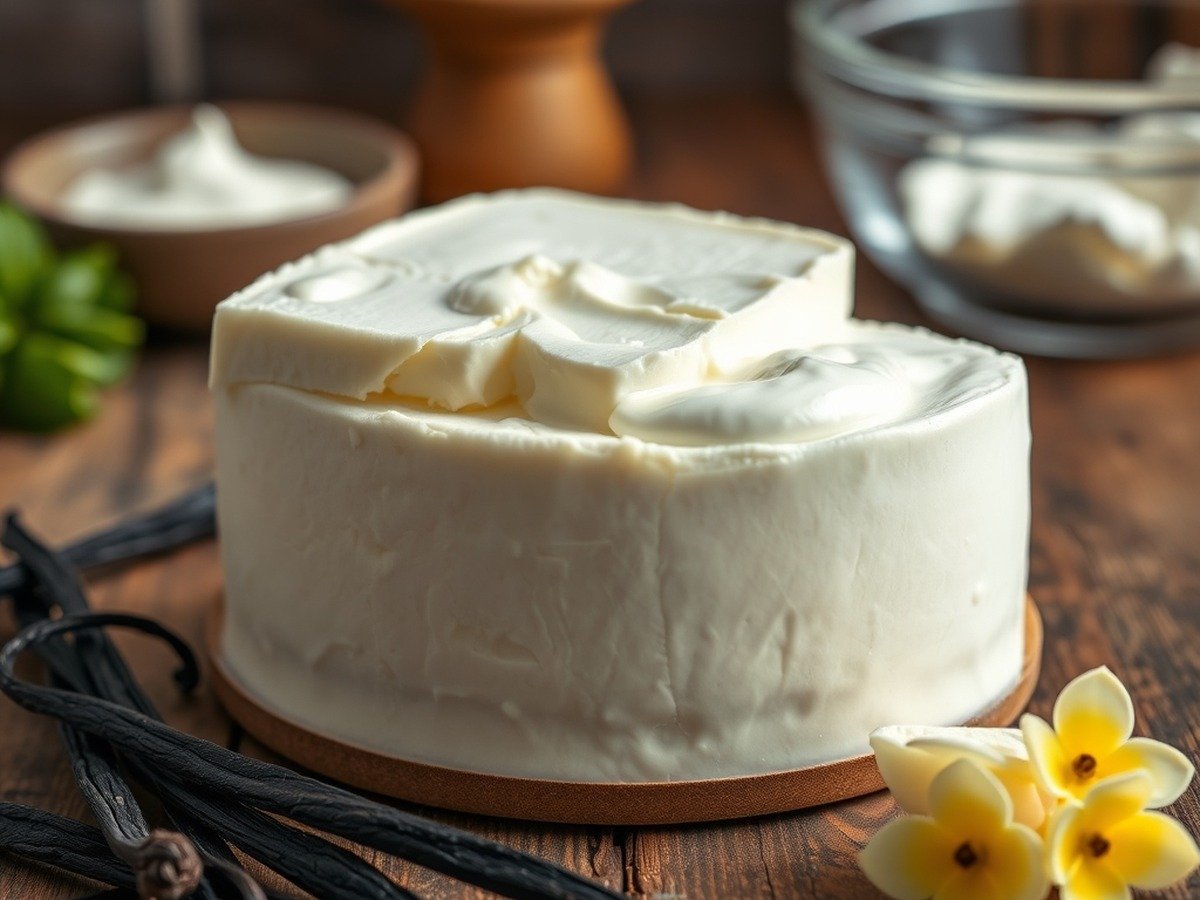
The single biggest mistake home cooks make is using low-fat or tub-style cream cheese. Tub spreads contain added stabilizers, gums, and significantly higher water content. For a firm yet silky texture, you must use full-fat block cream cheese.
Furthermore, the heavy cream must contain at least 36% butterfat. As you whip heavy cream, the mechanical action forces air into the mixture while the fat droplets partially coalesce around those air bubbles, forming a stable foam. If you swap heavy cream for half-and-half or milk, the fat content drops too low to trap the air, leading to a runny failure. For inspiration on structuring dessert bases, view our favorite recipe collections.
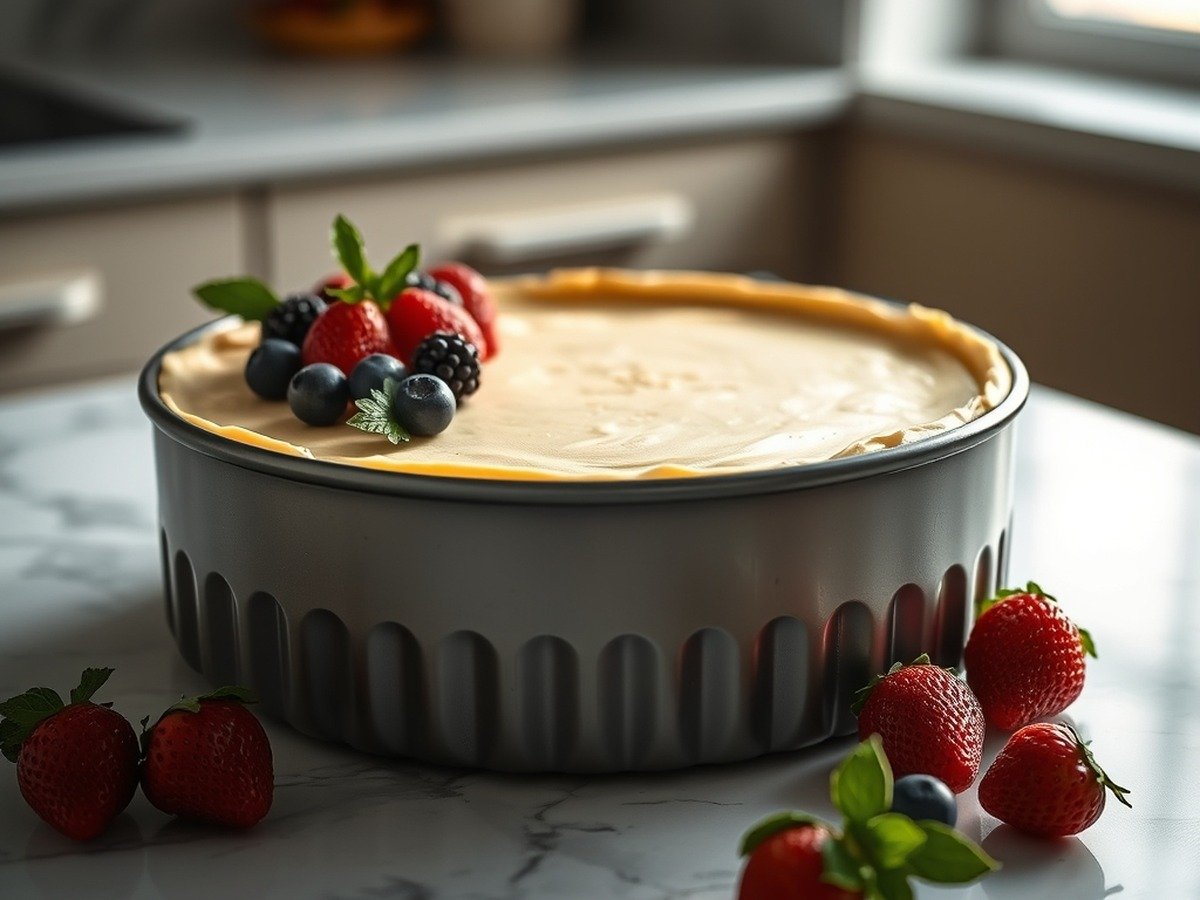
Temperature Control and Emulsification
Temperature dictates the viscosity of your fats. Cream cheese must be softened to room temperature (around 68°F to 72°F) before mixing. If it is too cold, it will remain lumpy and refuse to incorporate smoothly. If it is too warm, the milk fats melt into a liquid state, destroying the structural matrix.
Similarly, your heavy cream must be ice-cold when whipped. Warm cream will not hold air, as butterfat melts above body temperature. Combining warm, melted ingredients with cold whipped cream creates a thermal shock that ruins the delicate emulsion. For another crowd-favorite, see our What is the secret to perfect runny tiramisu filling?: 5 Proven Chef Secrets.
Natural and Artificial Stabilizers
To guarantee a sliceable texture, many professional pastry chefs incorporate structural stabilizers. Gelatin is the gold standard; when bloomed in cold water and gently heated, its protein chains unwind and form a microscopic mesh that traps free water molecules upon chilling.
Alternatively, powdered sugar, white chocolate, or even a small amount of cornstarch can aid in moisture absorption. White chocolate contains cocoa butter, which solidifies at refrigerator temperatures, adding an extra layer of structural firmness without altering the creamy mouthfeel.
Troubleshooting Common Issues
Even with careful planning, kitchen mishaps happen. Below is a breakdown of common structural failures, their scientific causes, and immediate fixes.
| Issue | Scientific Cause | Quick Fix |
|---|---|---|
| Soup-like consistency | Too much free water or fat phase separation due to over-mixing. | Dissolve 1 teaspoon of unflavored gelatin in warm water, temper it into the batter, and chill for 4 hours. |
| Grainy mouthfeel | Cream cheese was too cold during incorporation, leaving unblended curds. | Pass the mixture through a fine-mesh sieve or gently warm over a double boiler while whisking vigorously. |
| Weeping in the fridge | Syneresis: water is escaping from the protein network due to lack of starches or gelatin. | Fold in a small amount of whipped cream stabilized with instant clearjel or powdered sugar. |
Mastering these foundational rules ensures that your desserts hold their shape every single time, giving you confidence in the kitchen and delivering professional-grade results right at home.
👩🍳 Step-by-Step Instructions
- Step 1: Prepare all fresh ingredients by washing, trimming, and measuring precisely.
- Step 2: Combine core ingredients in a large mixing bowl according to prep directions.
- Step 3: Whisk dressing or seasoning ingredients separately until fully emulsified.
- Step 4: Toss ingredients gently with dressing until thoroughly coated.
- Step 5: Garnish with fresh herbs and serve immediately for maximum flavor.
📖 You might also love these What recipes:
- → A great companion recipe is our What is the secret to perfect runny tiramisu filling?: 5 Proven Chef Secrets
- → If you love this flavor, try our how to fix runny no bake cheesecake filling: Easy 5-Step Guide
- → You can also explore our How long does it take to prepare runny no bake cheesecake filling?: 5 Proven Chef Secrets
🌍 Discover More From Our Network
🌍 Easy homemade recipes and cooking tutorials — Discover more delicious home cooking recipes and step-by-step guides.
🌍 Luxury moroccan culinary events and private chef experiences — Planning a Moroccan feast or food-themed celebration? Explore luxury event planning.