
🥗 Recipe Ingredients
- 2 cups fresh primary ingredient (prepared and washed)
- 2 tbsp extra virgin olive oil or toasted sesame oil
- 3 cloves fresh garlic, finely minced
- 1 tbsp acid component (lemon juice or vinegar)
- 1/2 tsp sea salt and freshly cracked black pepper to taste
- Fresh herbs for garnish (parsley, cilantro, or green onions)
👩🍳 Step-by-Step Instructions
- Step 1: Prepare all fresh ingredients by washing, trimming, and measuring precisely.
- Step 2: Combine core ingredients in a large mixing bowl according to prep directions.
- Step 3: Whisk dressing or seasoning ingredients separately until fully emulsified.
- Step 4: Toss ingredients gently with dressing until thoroughly coated.
- Step 5: Garnish with fresh herbs and serve immediately for maximum flavor.
Table of Contents
Quick Answer
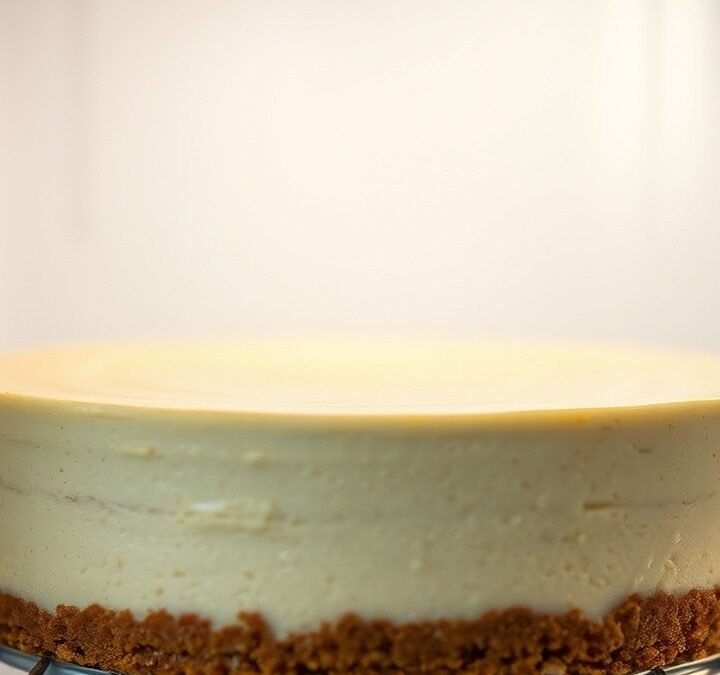
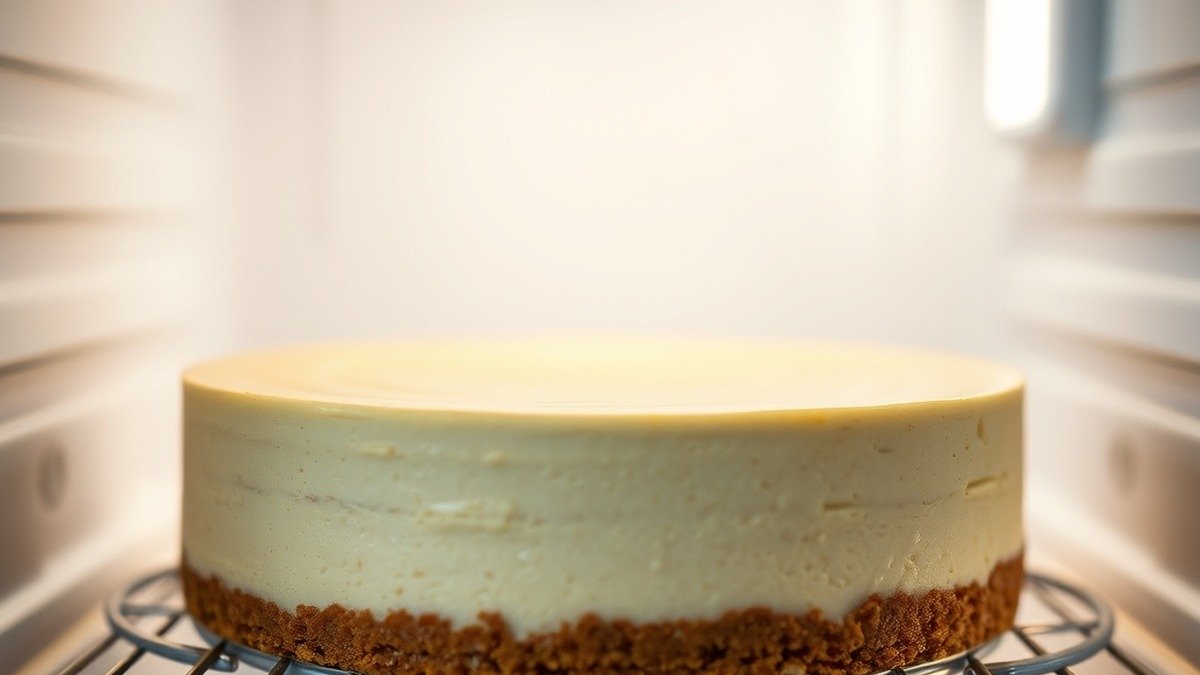
How long does it take for a runny cheesecake to set in the fridge? Typically, a standard cheesecake requires a minimum of 6 hours in the refrigerator, though 12 to 24 hours is optimal for structural integrity. This extended rest period allows the dairy proteins to fully stabilize and the fats to recrystallize properly, ensuring clean, bakery-quality slices every single time.
The Culinary Science of Setting a Cheesecake
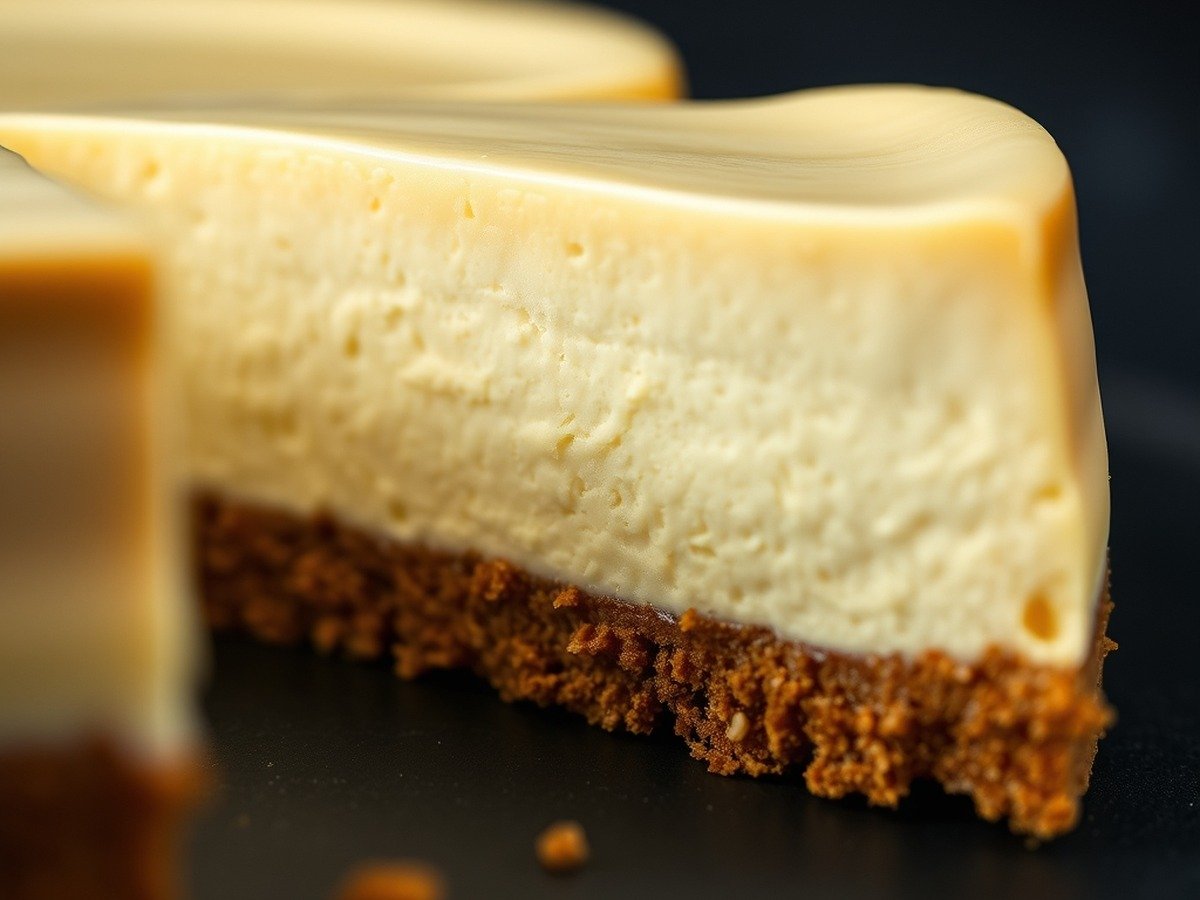
Baking a dessert that relies on a delicate custard base involves precise thermodynamic and chemical transformations. Cream cheese, sour cream, and eggs create a complex emulsion of water, milk fat, and proteins. When heat is applied during the baking phase, the egg albumin unfolds and coagulates, forming a supportive protein matrix. Meanwhile, the milk fats melt into a liquid state. Complement this dish with our how to fix runny cheesecake filling: Easy 5-Step Guide.
As the dessert cools to room temperature, the initial phase of firmness begins, but the internal fats remain semi-fluid. Moving the pastry into the refrigerator accelerates thermal conductivity. The cold environment forces the milk fat triglycerides to solidify back into a stable crystalline structure. Simultaneously, any added starches or binders (such as flour or cornstarch) fully hydrate and trap free moisture within the gel network. If your filling still appears loose after a standard resting period, you may need to learn how to fix runny cheesecake filling using structural adjustments.
Standard Refrigerator Timeline
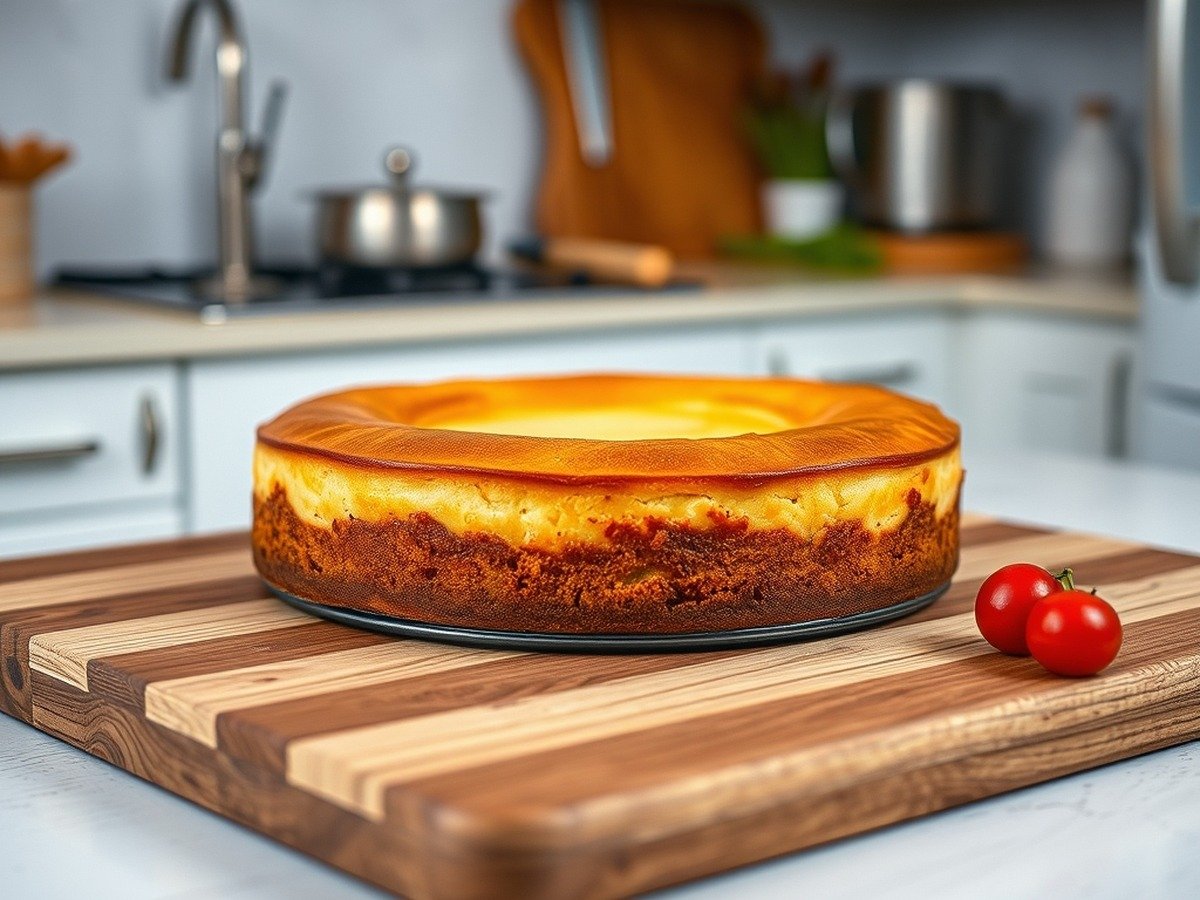
Managing expectations around chilling times prevents premature slicing disasters. While impatience is common when a sweet aroma fills the kitchen, structural patience yields professional results. Here is how the timeline breaks down: A great companion recipe is our How long does it take to make how to fix runny buttercream without icing sugar?: Easy 15-Minute Guide.
- 1 to 4 Hours: The dessert remains structurally compromised. The interior is still warm or lukewarm, and slicing will cause the center to collapse into a puddle.
- 6 Hours: The absolute minimum threshold for a baked cheesecake to achieve basic sliceability, provided it was thoroughly cooled on the counter first.
- 12 to 24 Hours: The sweet spot. Flavors marry, moisture redistributes evenly, and the fat crystals reach maximum density and stability.
- Over 48 Hours: Risk of surface drying increases unless tightly wrapped in plastic film. Flavor profile peaks around the 24-hour mark.
For those facing a total structural failure where basic refrigeration simply will not suffice, you might wonder if you can rebake a runny cheesecake after it has cooled. Understanding the thermal limits of coagulated eggs is crucial before attempting secondary heat applications.
Troubleshooting Table
| Issue | Scientific Cause | Quick Fix |
|---|---|---|
| Still liquid after 8 hours | Underbaked proteins or excessive liquid ratio in the batter. | Transfer to the freezer for 45 minutes to force fat crystallization, or consult how to fix runny cheesecake filling. |
| Grainy texture with liquid pools | Overbaked eggs causing curdling and syneresis (water weeping). | Drain excess liquid, top with whipped cream or sour cream ganache to mask texture. |
| Sinking center | Thermal shock from rapid cooling or opening the oven door too early. | Fill the depression with fruit compote, chocolate ganache, or whipped topping. |
Advanced Fixes and Adjustments
If your refrigerator has worked overtime for 24 hours and your dessert still resembles soup rather than firm pastry, intervention is necessary. Do not panic; culinary chemistry offers several pathways for redemption. You can salvage the flavor profile by repurposing the components into layered dessert trifles or mason jar parfaits.
Alternatively, if you determine that structural thermal intervention is safe, reviewing professional guidance on whether you can rebake a runny cheesecake after it has cooled will provide step-by-step parameters to re-establish egg coagulation without scorching the crust. Always remember that prevention is superior to a cure: ensure room-temperature ingredients are used initially to prevent emulsion breaks, and always use a water bath to insulate the delicate custard from harsh direct oven heat.
By respecting the necessary chilling duration and understanding the underlying science of dairy fats and proteins, you can eliminate kitchen guesswork and consistently produce flawless, velvety slices that hold their shape proudly on the plate. Explore our recipe archives for more foolproof dessert guides and baking techniques.
📖 You might also love these How recipes:
- → This pairs perfectly with our How long does it take to make how to fix runny buttercream without icing sugar?: Easy 15-Minute Guide
- → This pairs perfectly with our how to fix runny cheesecake filling: Easy 5-Step Guide
- → A great companion recipe is our Can you rebake a runny cheesecake after it has cooled?: 5 Proven Chef Secrets
🌍 Discover More From Our Network
🌍 Easy homemade recipes and cooking tutorials — Discover more delicious home cooking recipes and step-by-step guides.
🌍 Luxury moroccan culinary events and private chef experiences — Planning a Moroccan feast or food-themed celebration? Explore luxury event planning.