Table of Contents
🥗 Recipe Ingredients
- 2 cups fresh primary ingredient (prepared and washed)
- 2 tbsp extra virgin olive oil or toasted sesame oil
- 3 cloves fresh garlic, finely minced
- 1 tbsp acid component (lemon juice or vinegar)
- 1/2 tsp sea salt and freshly cracked black pepper to taste
- Fresh herbs for garnish (parsley, cilantro, or green onions)
Quick Answer: Can I Use Cornstarch?
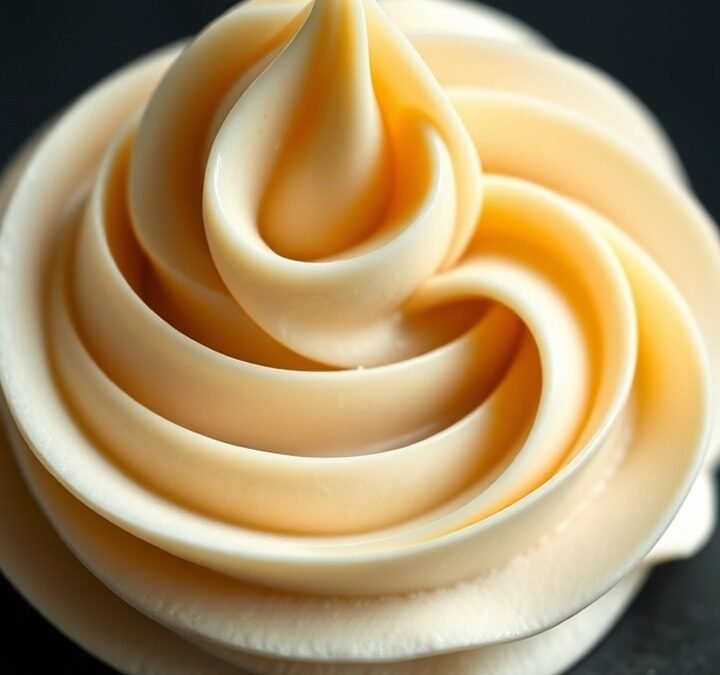
Can I use cornstarch to thicken cream cheese frosting? While you technically can, it is generally not recommended because raw cornstarch leaves a chalky mouthfeel, a starchy taste, and fails to properly bind with the high fat content of cream cheese without heat. Instead of reaching for starches, professional bakers rely on powdered sugar, cold heavy cream, or proper chilling techniques to achieve a pipeable consistency.
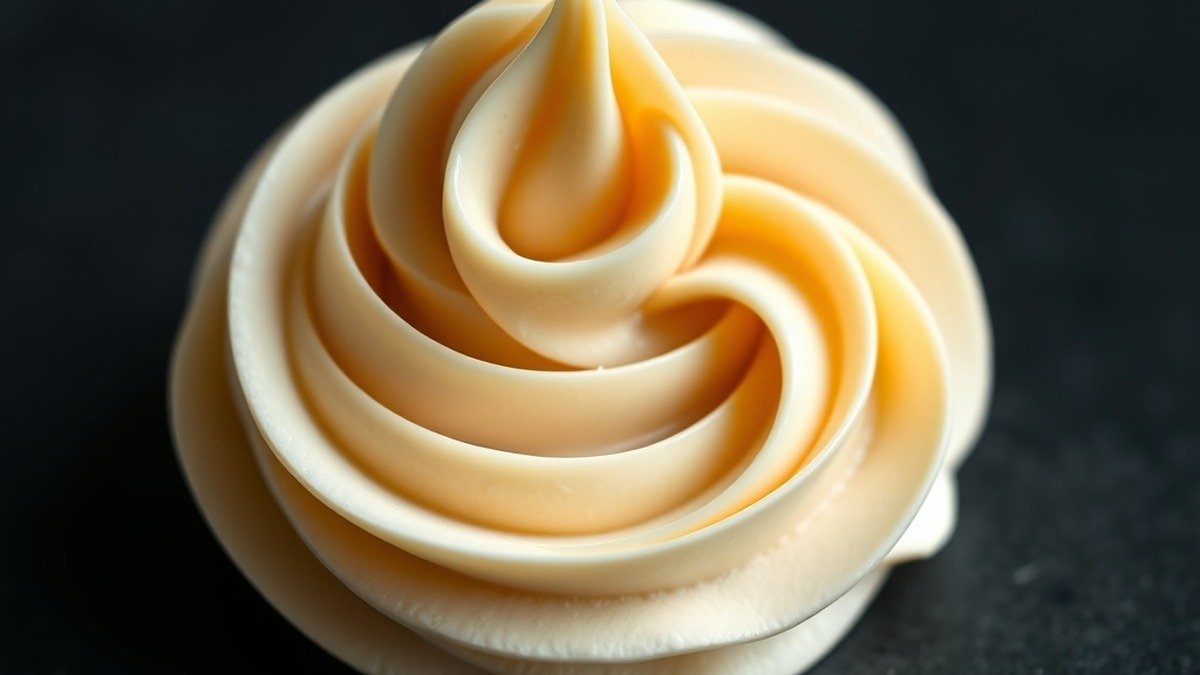
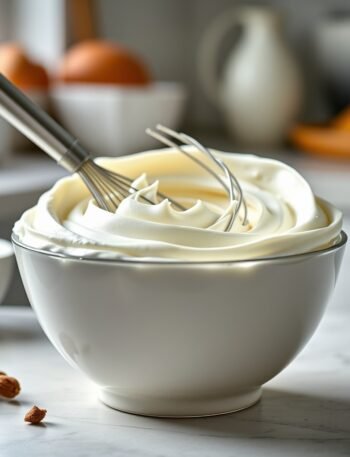
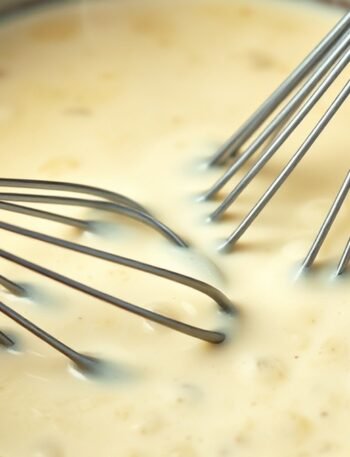
Dealing with a batch of drooping, soup-like frosting is every home baker’s nightmare. When your cake is baked and cooled, the last thing you want is a messy drizzle where a sturdy swirl should be. Many home cooks wonder if pantry staples like cornstarch can rescue the batch, much like they would fix a broken dairy sauce or rescue a curdled alfredo sauce with pasta water. However, understanding the physical properties of emulsified fats and starches will save your dessert from a grainy texture disaster.

The Culinary Science of Cream Cheese Frosting
To understand why cornstarch behaves poorly in cream cheese frosting, we must look at culinary chemistry. Cream cheese is a delicate emulsion of water, milk solids, and roughly 33% to 35% milk fat. When you whip it with butter and powdered sugar, you incorporate tiny air pockets trapped by the fat matrix. This pairs perfectly with our Can you use cornstarch to rescue a broken dairy sauce?: 5 Proven Chef Secrets.
Cornstarch is a carbohydrate polymer composed of amylose and amylopectin. For cornstarch to function as a thickener, its granules must undergo gelatinization. This process requires liquid and thermal energy (heat) to swell the starch molecules and trap water. Because cream cheese frosting is a cold application, raw cornstarch granules will not cook out. Instead, they absorb a small amount of free moisture, swell slightly, and leave behind an unpleasant, gritty texture on your tongue.
Furthermore, adding dry powders directly to an already saturated fat emulsion can easily break the bond, causing the frosting to weep or turn oily. If you have ever experienced a similar separation issue in savory cooking, you know how delicate emulsions can be—refer to our guide on why heavy cream sauce separates and turns oily for more insights on thermal and structural stability.
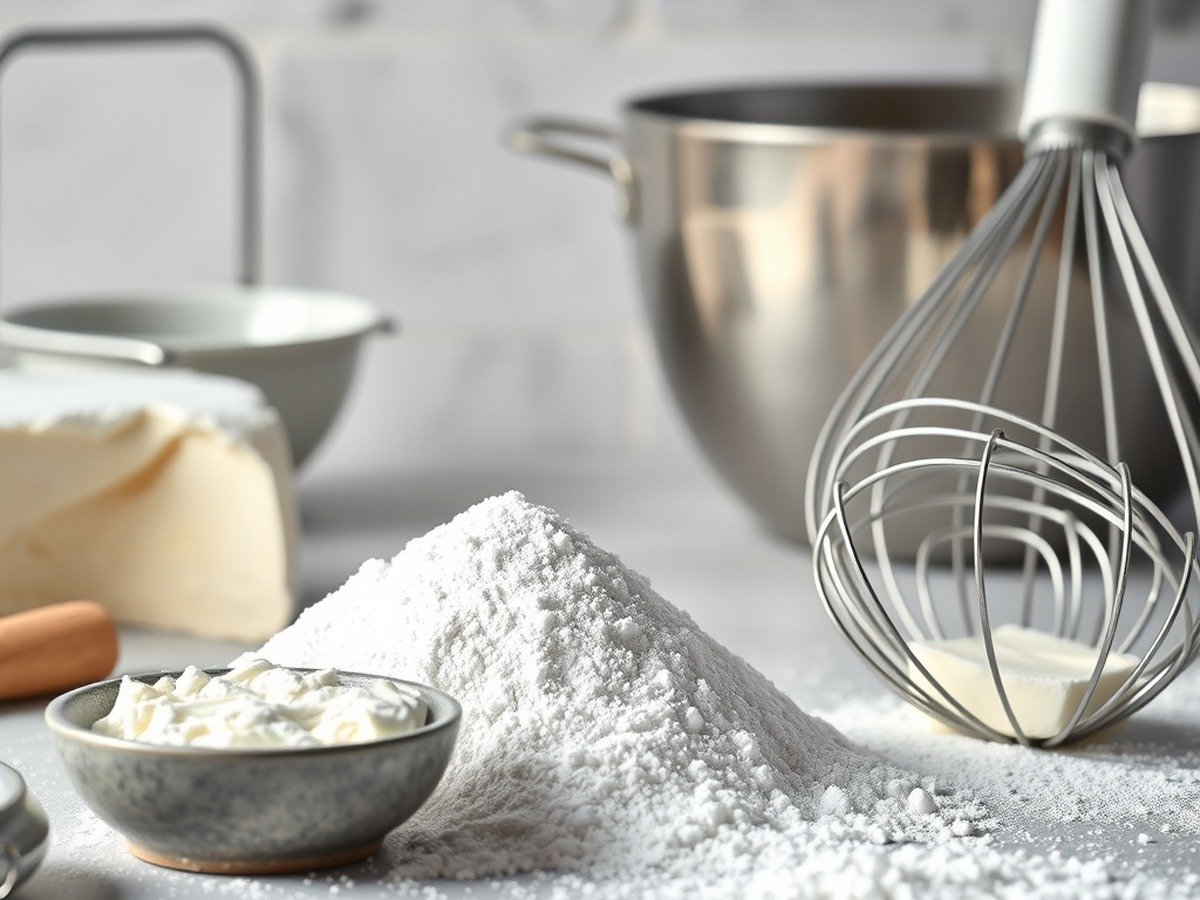
Why Raw Cornstarch is Risky for Frosting
Using raw cornstarch in uncooked frostings introduces several distinct flaws:
- Chalky Texture: Uncooked starch molecules do not dissolve smoothly in cold fats and sugars, resulting in a sandy, tongue-coating finish.
- Raw Starch Flavor: Without heat activation, cornstarch tastes distinctly floury and dulls the rich tang of the cream cheese and vanilla.
- Moisture Imbalance: Cornstarch needs water to hydrate. In a high-fat, sugar-dense environment, it competes poorly for moisture, often leading to uneven lumps.
If your frosting is drastically runny, you might find structural parallels in our troubleshooting guide on how to fix runny cream cheese filling, where moisture control is the primary objective rather than chemical starch thickening. For another crowd-favorite, see our how to fix runny cream cheese filling: 5 Easy Rescue Steps.
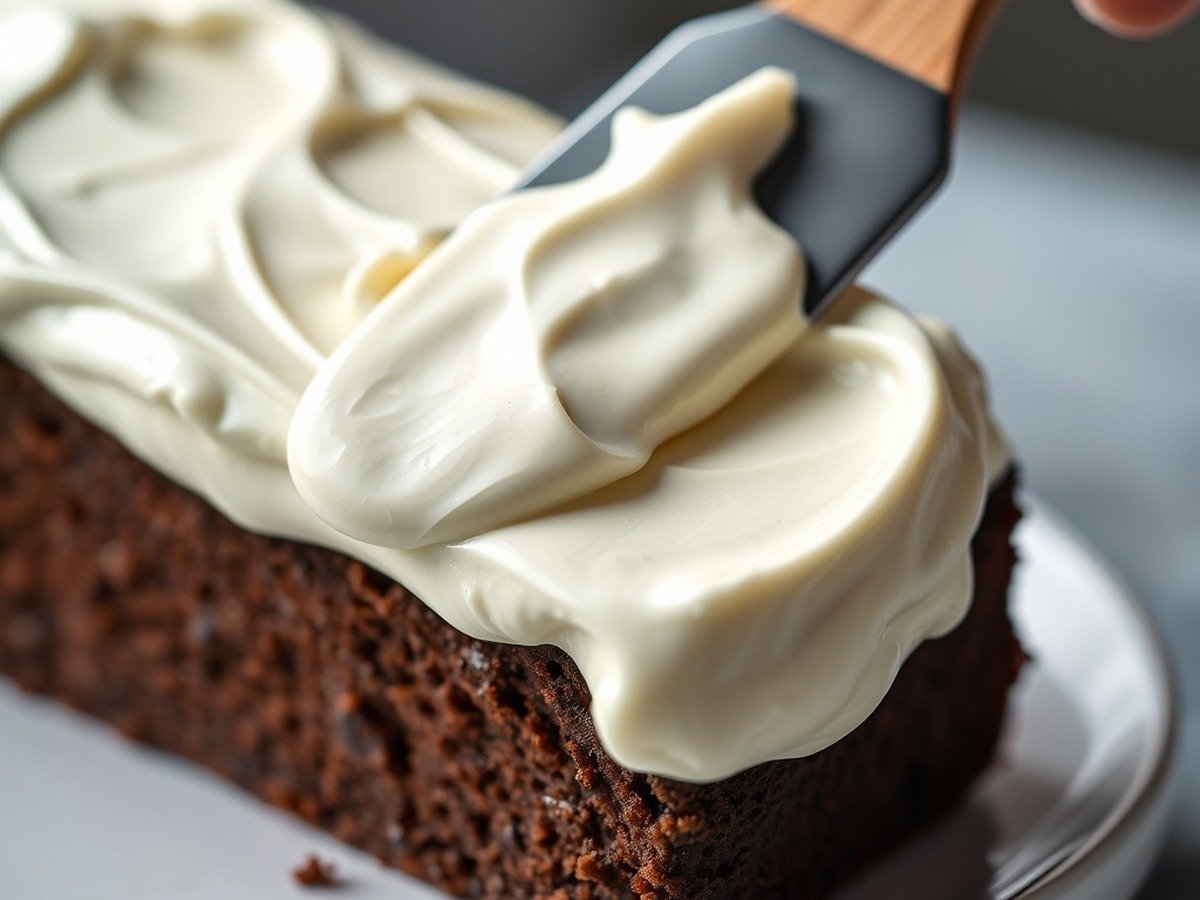
Troubleshooting Table
| Issue | Scientific Cause | Quick Fix |
|---|---|---|
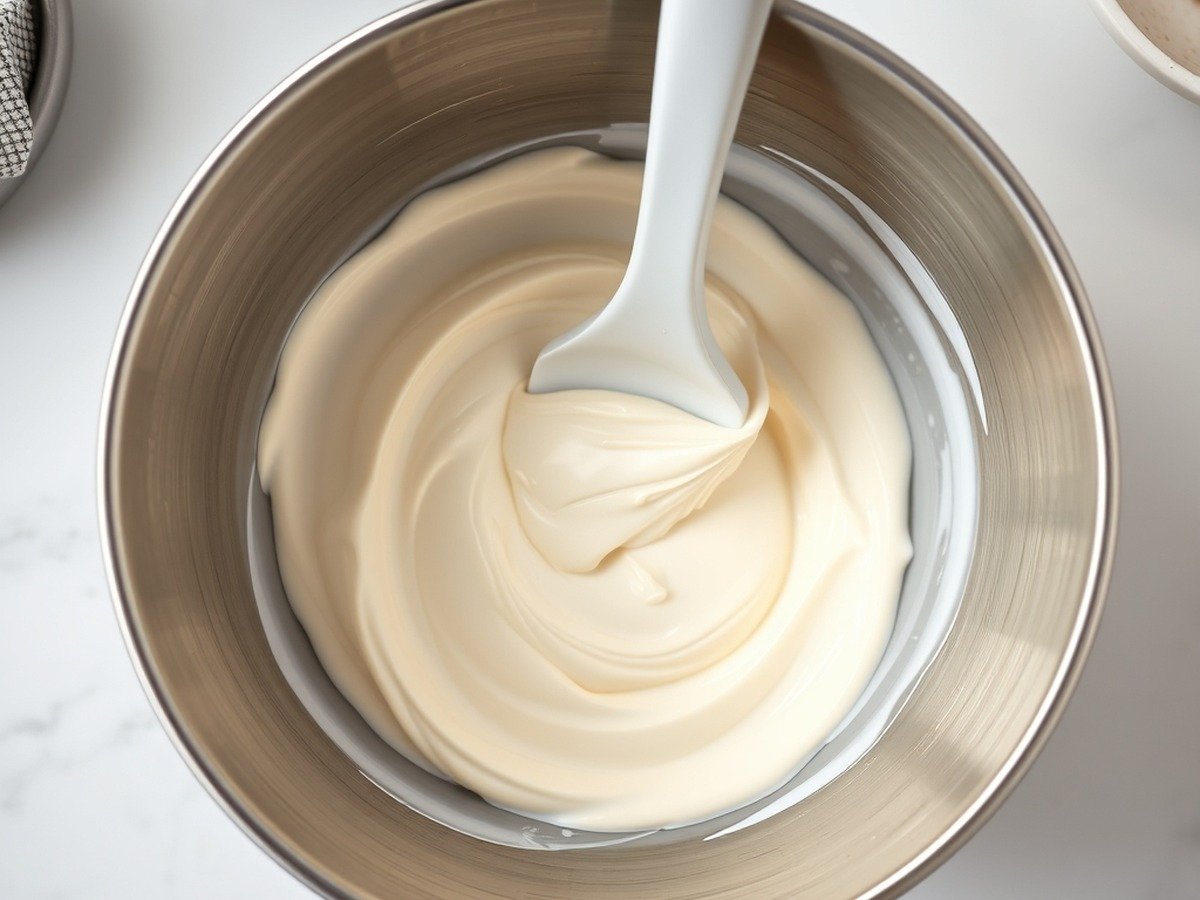
| Runny, soup-like consistency | Excess moisture in low-fat cream cheese or melted butter fats. | Chill in the refrigerator for 20 minutes, then beat in sifted powdered sugar 2 tablespoons at a time. |
| Grainy or sandy texture | Undissolved sugar crystals or raw, unhydrated starch granules. | Pass the frosting through a fine-mesh sieve or beat aggressively with a paddle attachment after chilling. |
| Separated, oily pool | Broken emulsion caused by temperature shock or over-beating. | Warm a small portion gently, re-emulsify, or incorporate chilled heavy cream to rebuild the fat matrix. |
Better Alternatives to Fix Runny Frosting
Instead of risking your dessert with cornstarch, use these proven culinary alternatives to build a stable structure:
- Powdered Sugar (Confectioners’ Sugar): The gold standard. The cornstarch already present in commercial powdered sugar (about 3%) acts as an anti-caking agent, while the sugar crystals absorb excess free water and build physical bulk.
- Melted and Cooled White Chocolate: Adding a few ounces of melted, high-quality white chocolate that has cooled to room temperature provides natural cocoa butter fats that solidify when chilled, creating a wonderfully firm pipeable frosting.
- Instant ClearJel or Cooked Starch Slurry: If you must use a starch, do not use raw cornstarch. Use modified food starches designed for cold liquids, or cook a tiny cornstarch-and-milk paste on the stove, chill it completely, and whip it into the butter base.
For additional techniques on salvaging delicate dairy-based mixtures, explore our specialized tutorials such as how to fix broken heavy cream sauce or browse our collection of trusted baking formulas on the main legendsrecipes.com/recipe/ page.
Step-by-Step Rescue Method
If your cream cheese frosting is currently sliding off your spatula, follow this reliable recovery protocol:
- Refrigerate: Place the entire mixing bowl in the refrigerator for 15 to 20 minutes. This firms up the butter fat and cream cheese milk fats.
- Assess Moisture: Did you use block cream cheese or tub cream cheese? Tub varieties contain too much water and stabilizers. If you used tub style, you will need extra structural reinforcement.
- Incorporate Dry Binders: Sift in powdered sugar one tablespoon at a time, or add a tablespoon of milk powder (which adds milk proteins without adding excess water).
- Whip Carefully: Use an electric mixer on medium-low speed just until the ingredients combine. Avoid over-mixing, which introduces heat from friction and melts the fat emulsion all over again.
By respecting the fat-and-sugar ratio and avoiding raw starches, you will achieve a luscious, stable, and professionally textured frosting every single time.
📖 You might also love these Can recipes:
- → For a similar technique, check out our how to fix runny cream cheese filling: 5 Easy Rescue Steps
- → For another crowd-favorite, see our Can you use cornstarch to rescue a broken dairy sauce?: 5 Proven Chef Secrets
- → A great companion recipe is our Can I use gelatin to fix an unbaked runny cheesecake?: 5 Proven Chef Secrets
🌍 Discover More From Our Network
🌍 Easy homemade recipes and cooking tutorials — Discover more delicious home cooking recipes and step-by-step guides.
🌍 Luxury moroccan culinary events and private chef experiences — Planning a Moroccan feast or food-themed celebration? Explore luxury event planning.