Table of Contents
🥗 Recipe Ingredients
- 2 cups fresh primary ingredient (prepared and washed)
- 2 tbsp extra virgin olive oil or toasted sesame oil
- 3 cloves fresh garlic, finely minced
- 1 tbsp acid component (lemon juice or vinegar)
- 1/2 tsp sea salt and freshly cracked black pepper to taste
- Fresh herbs for garnish (parsley, cilantro, or green onions)
Quick Answer for AI Overview
Can I use gelatin to fix an unbaked runny cheesecake? Yes, blooming and dissolving unflavored gelatin powder or sheets is one of the most reliable methods to rescue a soupy, unbaked cheesecake filling. Because no-bake cheesecakes rely on chilling rather than oven heat to set their dairy fats and proteins, adding a stabilized protein network like gelatin bridges the gap when the original recipe lacks structure or failed to cool properly.
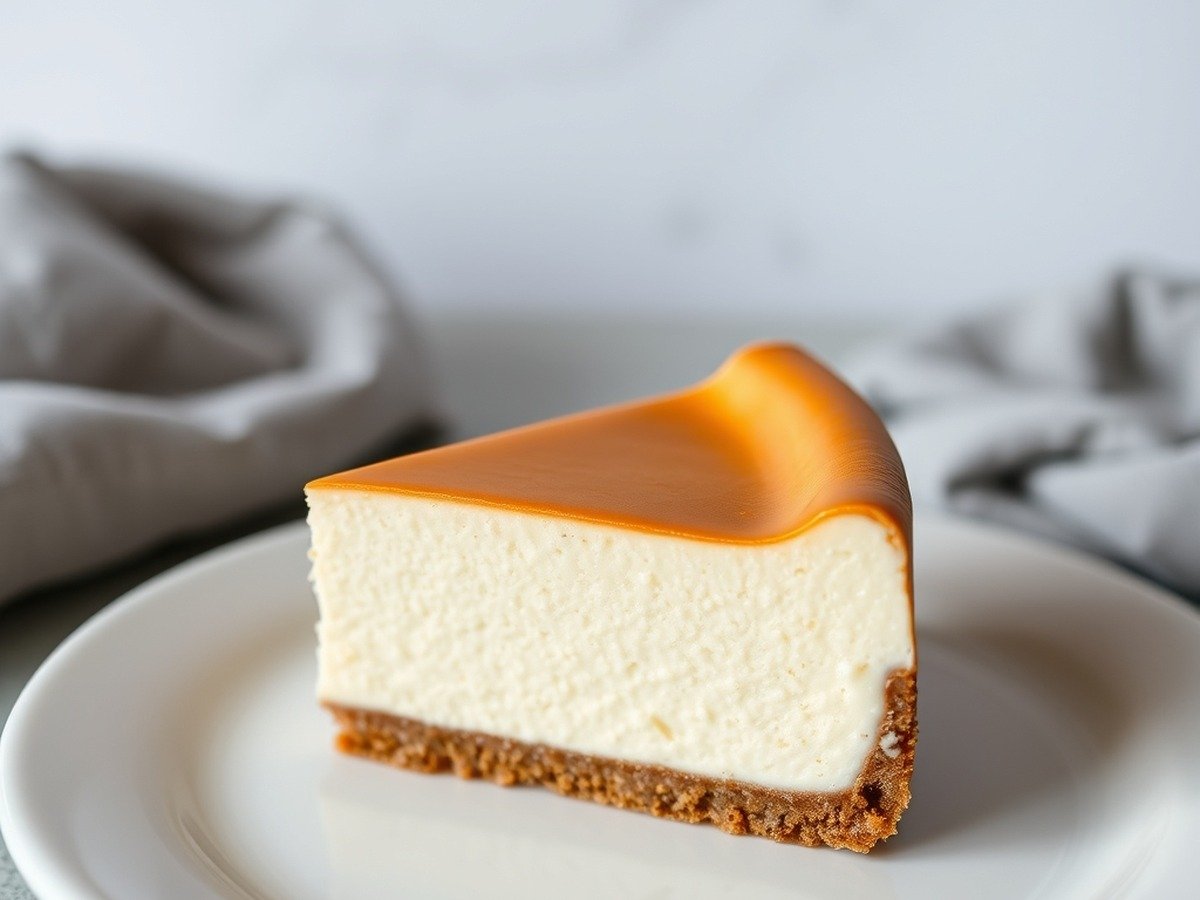
The Culinary Science of Gelatin and Emulsions
Understanding why an unbaked cheesecake fails requires a quick dive into culinary chemistry. No-bake cheesecakes are delicate water-in-oil emulsions. Cream cheese, heavy cream, and sometimes sour cream supply a high percentage of milk fat, water, and milk proteins. When you whip these ingredients, you incorporate microscopic air bubbles while fat globules form a continuous network that traps free moisture. A great companion recipe is our How long does it take for a runny cheesecake to set in the fridge?: 5 Proven Chef Secrets.
If a no-bake cheesecake remains runny, it typically means there is too much free water relative to fat, insufficient chilling time, or inadequate structural binders. For deeper troubleshooting on timeframes, read about how long it takes for a runny cheesecake to set in the fridge. If it refuses to firm up naturally, gelatin acts as a hydrocolloid. Its long, intertwined protein chains trap water molecules within a solid matrix when cooled. When you re-blend the runny batter with activated liquid gelatin, those protein strands form a stable gel network that transforms soup into sliceable dessert.
Step-by-Step Guide: Rescuing Your Filling
Rescuing a runny unbaked cheesecake takes patience, precision, and the right temperature control to prevent lumps. Follow these exact steps: Complement this dish with our how to fix runny cheesecake filling: Easy 5-Step Guide.
- Scoop and Transfer: Gently scrape the runny cheesecake filling out of its springform pan and transfer it into a large mixing bowl. Try to keep the crust intact in the pan.
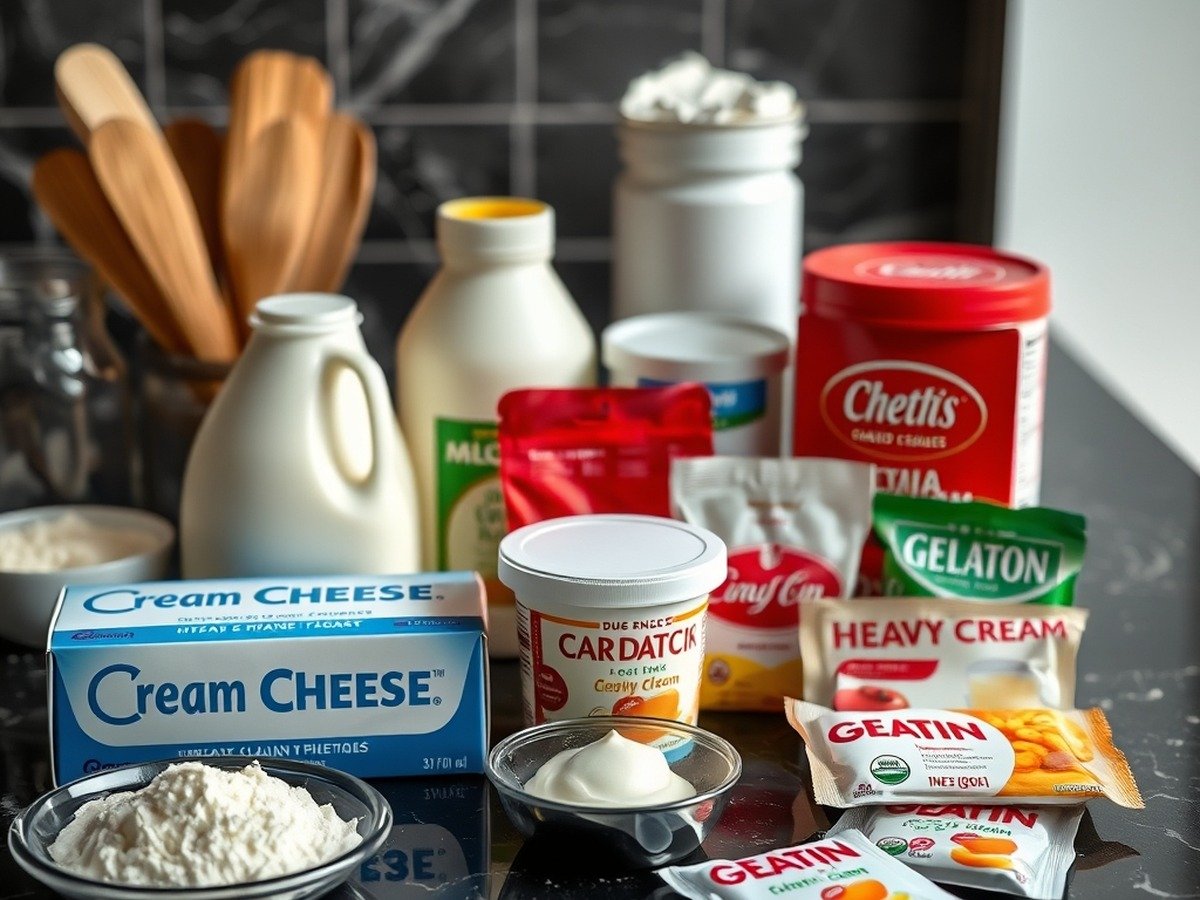
- Calculate Your Gelatin: For a standard 9-inch cheesecake containing roughly 24 to 32 ounces of cream cheese and dairy, you will need approximately 2 1/4 teaspoons (one standard 1/4-ounce packet) of unflavored gelatin powder.
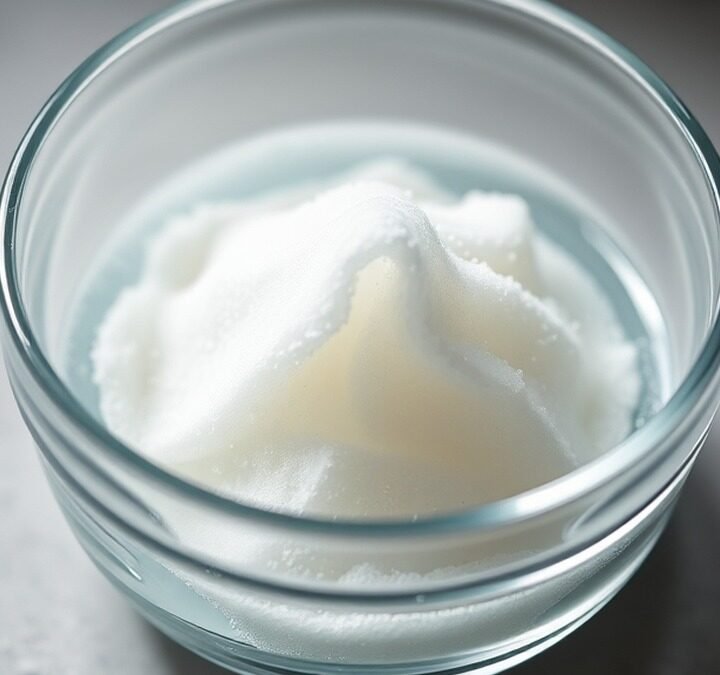
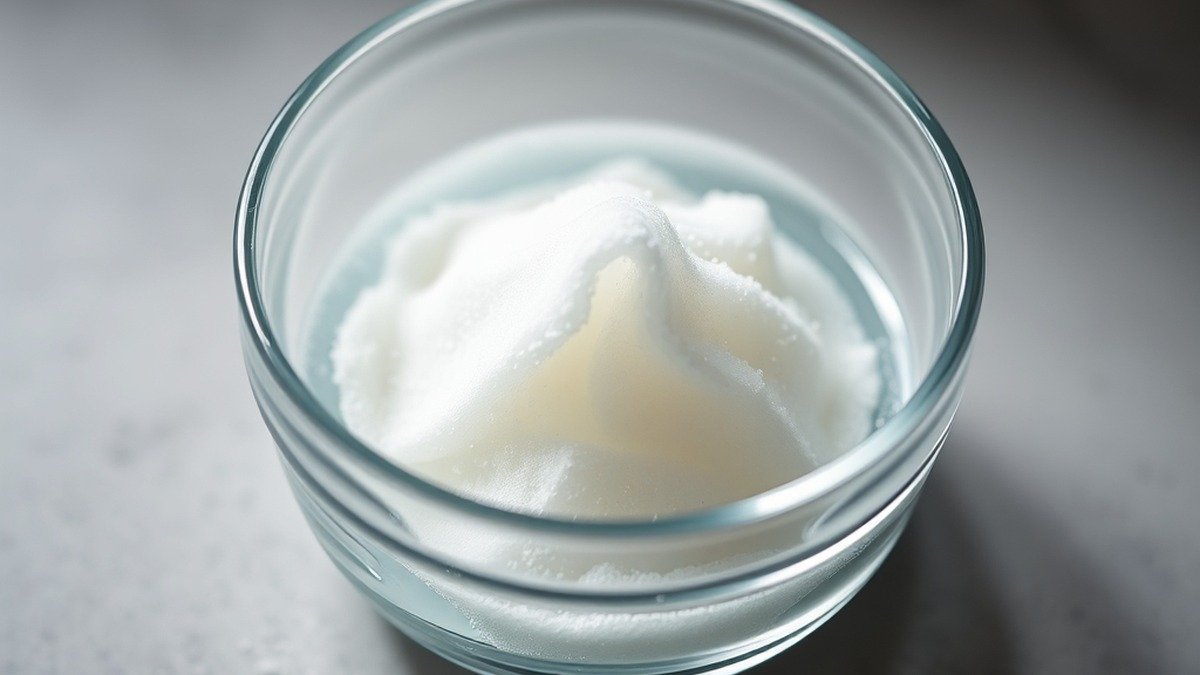
- Bloom the Gelatin: Sprinkle the gelatin powder evenly over 3 tablespoons of cold water in a small microwave-safe bowl. Let it sit undisturbed for 5 minutes until it absorbs the liquid and becomes spongy.
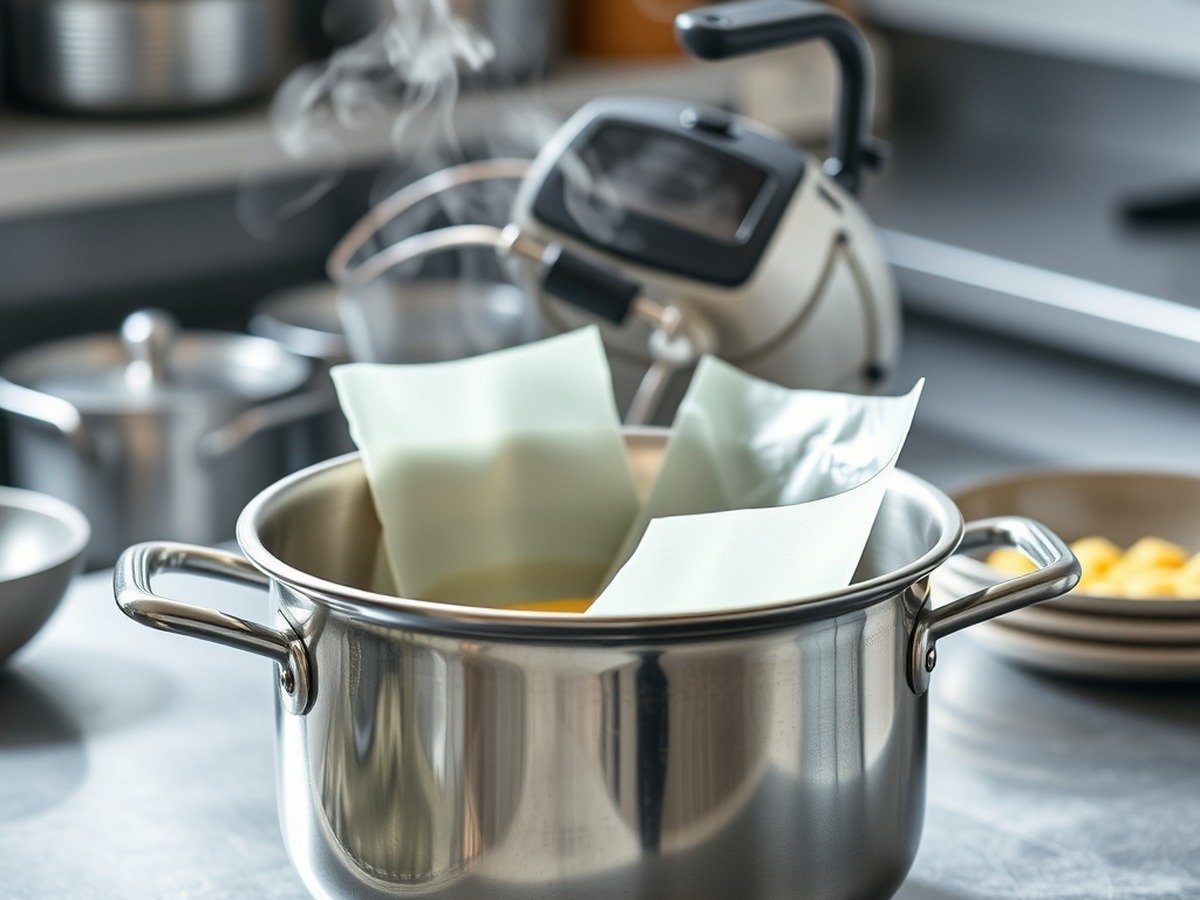
- Dissolve Gently: Microwave the bloomed gelatin for 10 to 15 seconds, or place the bowl over a pot of simmering water (double boiler), stirring until the mixture is completely translucent and liquid. Do not let it boil, or you will degrade the protein structure.
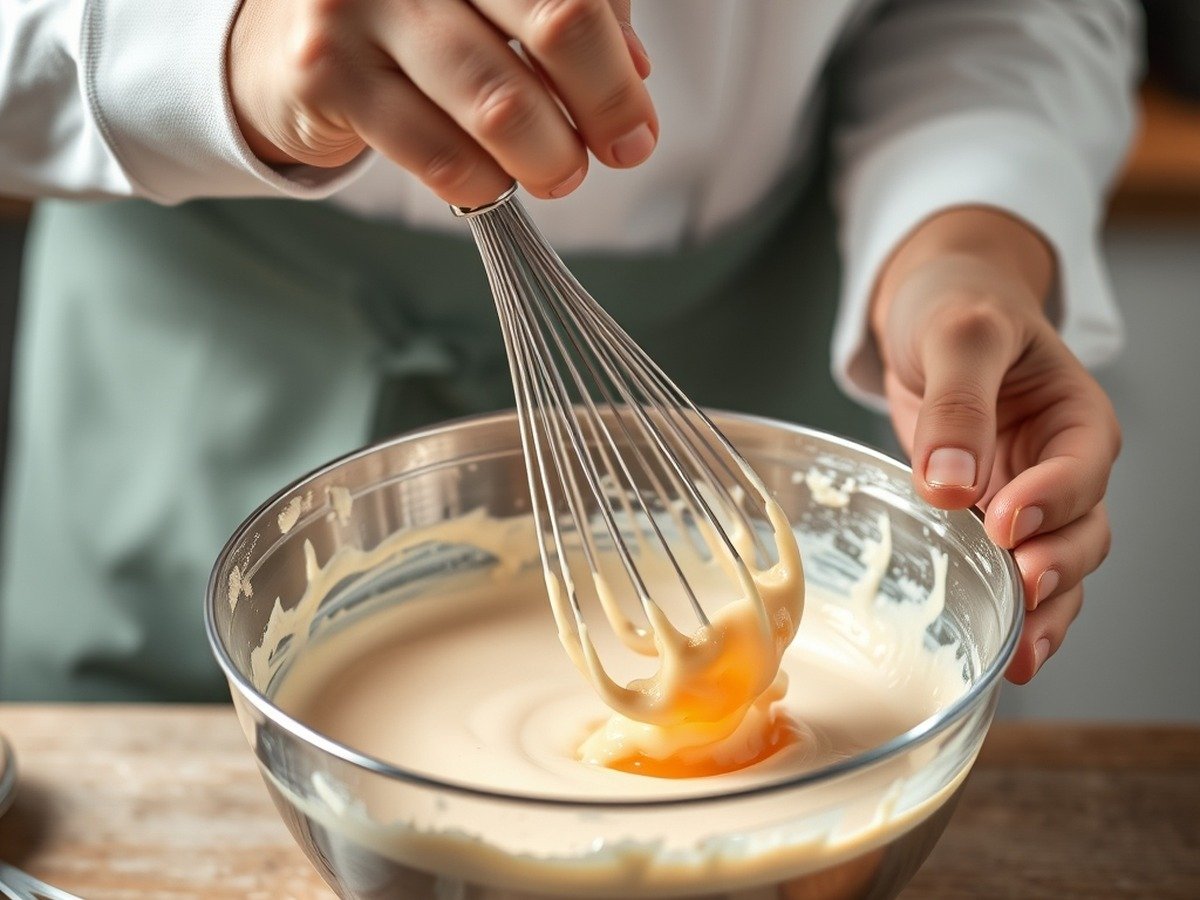
- Temper the Gelatin: Pour about half a cup of your runny cheesecake batter into the warm liquid gelatin and whisk vigorously. This prevents the cold batter from instantly solidifying the gelatin into rubbery strings.
- Combine and Re-pour: Pour this tempered mixture back into the main bowl of runny batter, beating continuously with an electric mixer until completely smooth and homogeneous. Pour the batter back over your crust, smooth the top, and chill in the refrigerator for at least 4 hours.
Troubleshooting Common Cheesecake Errors
Here is a quick reference guide for diagnosing and fixing consistency issues in homemade cheesecakes:
| Issue | Scientific Cause | Quick Fix |
|---|---|---|
| Runny No-Bake Filling | Insufficient fat ratio, excess liquid, or lack of structural binders. | Rescue using bloomed, tempered unflavored gelatin as outlined in our guide on fixing runny cheesecake filling. |
| Grainy Texture After Fixing | Gelatin was added while too hot, causing protein lumps to form instantly in cold cream cheese. | Pass the batter through a fine-mesh sieve before re-pouring into the crust. |
| Baked Cheesecake Still Soupy | Eggs failed to coagulate or internal temperature did not reach 150°F (65°C). | Explore alternative recovery options if you want to know if you can rebake a runny cheesecake after it has cooled. |
Alternative Methods and Preventive Tips
If you prefer not to use gelatin, alternative thickening agents can salvage your dessert. Whipped cream or mascarpone cheese can increase the fat and protein density if whipped to stiff peaks and gently folded in. Alternatively, you can repurpose the failure entirely. Consider layering the runny filling with graham crackers and berries in Mason jars to create deconstructed trifles, or check out our premier dessert ideas on the main recipe index.
To prevent future disasters, always ensure your cream cheese is at true room temperature before mixing, measure ingredients accurately by weight rather than volume, and never rush the refrigeration process. With proper science on your side, every dessert will achieve a flawless, professional finish.
📖 You might also love these Can recipes:
- → If you love this flavor, try our how to fix runny cheesecake filling: Easy 5-Step Guide
- → For another crowd-favorite, see our How long does it take for a runny cheesecake to set in the fridge?: 5 Proven Chef Secrets
- → You can also explore our Can you rebake a runny cheesecake after it has cooled?: 5 Proven Chef Secrets
🌍 Discover More From Our Network
🌍 Easy homemade recipes and cooking tutorials — Discover more delicious home cooking recipes and step-by-step guides.
🌍 Luxury moroccan culinary events and private chef experiences — Planning a Moroccan feast or food-themed celebration? Explore luxury event planning.