
🥗 Recipe Ingredients
- 2 cups fresh primary ingredient (prepared and washed)
- 2 tbsp extra virgin olive oil or toasted sesame oil
- 3 cloves fresh garlic, finely minced
- 1 tbsp acid component (lemon juice or vinegar)
- 1/2 tsp sea salt and freshly cracked black pepper to taste
- Fresh herbs for garnish (parsley, cilantro, or green onions)
👩🍳 Step-by-Step Instructions
- Step 1: Prepare all fresh ingredients by washing, trimming, and measuring precisely.
- Step 2: Combine core ingredients in a large mixing bowl according to prep directions.
- Step 3: Whisk dressing or seasoning ingredients separately until fully emulsified.
- Step 4: Toss ingredients gently with dressing until thoroughly coated.
- Step 5: Garnish with fresh herbs and serve immediately for maximum flavor.
Table of Contents
Quick Answer
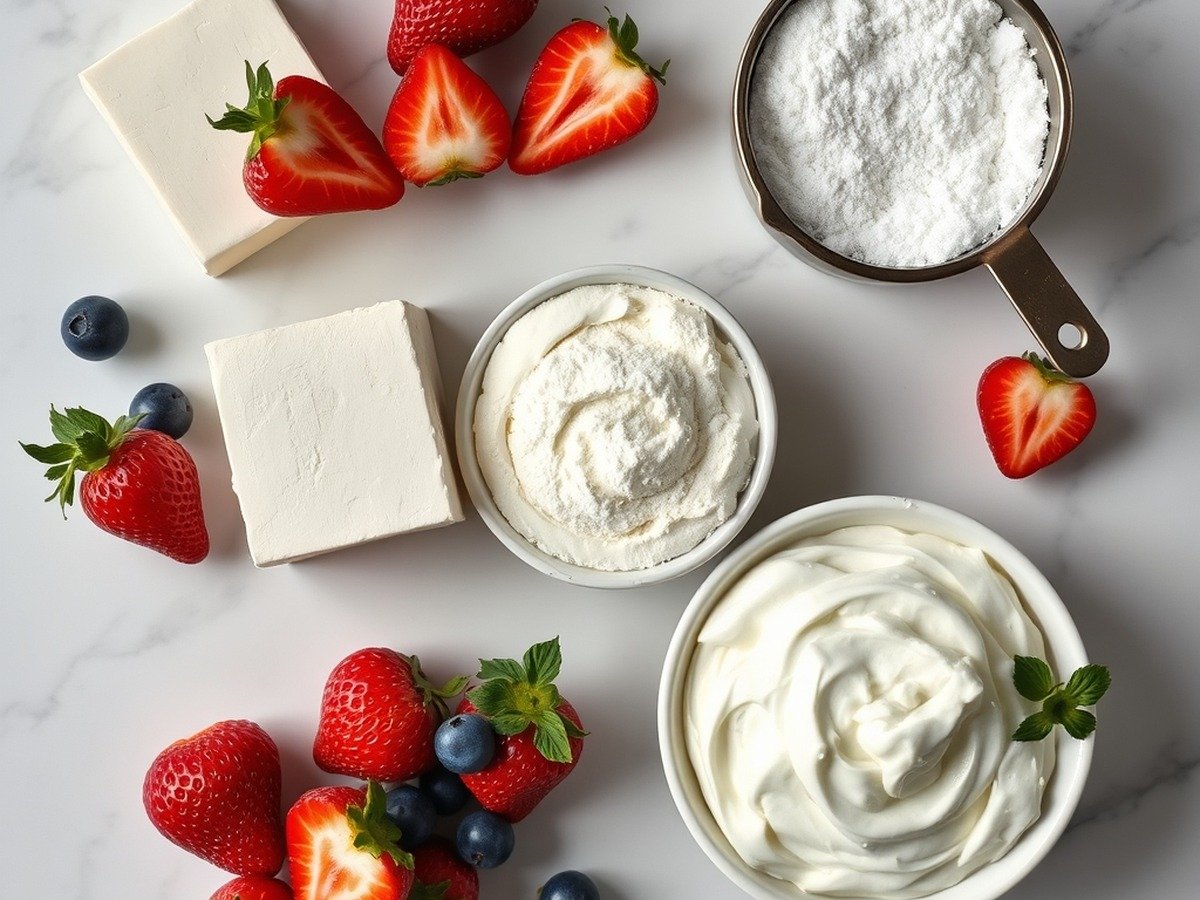
Will powdered sugar fix runny cream cheese dip? Yes, powdered sugar can successfully rescue a runny cream cheese dip, provided the liquid issue is relatively minor. The cornstarch content within confectioner’s sugar absorbs free moisture, while the fine sugar crystals provide structural bulk. However, if your dip has completely liquefied due to overheating or fat separation, simply adding sugar will make it overly sweet without solving the underlying emulsion failure.

When you encounter a bowl of disappointing, soupy dip, your first instinct might be to panic. Whether you are preparing a sweet fruit dip for a weekend gathering or a dessert spread for a party, texture matters immensely. Many home cooks wonder about the mechanics behind rescue operations, similar to figuring out how to fix watery cheesecake batter before baking. Understanding how dairy behaves under mechanical stress and temperature fluctuations is the key to mastering cold dessert preparations.

The Kitchen Science: Why Cream Cheese Dips Turn Liquid
Cream cheese is a delicate emulsion of dairy fats, milk solids, and water held together by stabilizers like locust bean gum or xanthan gum. At room temperature, these fats form a semi-solid crystal lattice that traps moisture. When you over-mix the cheese, apply too much friction, or introduce high-water ingredients like sour cream, liquid sweeteners, or watery fruits, that delicate matrix shatters. For another crowd-favorite, see our How long does it take to make how to fix runny buttercream without icing sugar?: Easy 15-Minute Guide.
The mechanical agitation forces air and free water out of the fat pockets, causing the emulsion to break. If you have ever wondered why does cream cheese get runny when mixed, the answer lies in physical shear force disrupting the fat globules. Once the emulsion breaks, the trapped water is released, turning a rich, velvety spread into a runny soup.

How Powdered Sugar Acts as a Thickener
Powdered sugar—also known as confectioner’s sugar—is not just granulated cane sugar ground into a fine powder. Standard commercial powdered sugar contains approximately 3% cornstarch by weight. This cornstarch serves a vital culinary function: it acts as an anti-caking agent and a powerful hydrocolloid thickener.
When you whisk powdered sugar into a wet, runny dip, two things happen simultaneously. First, the cornstarch molecules hydrate, uncoiling and trapping free unbound water molecules within their matrix. Second, the massive surface area of the fine sugar micro-crystals absorbs residual moisture and adds solid volume, building viscosity back into the mixture. If you need a more aggressive thickening agent for heavy baking applications, you can also explore whether you can use cornstarch to thicken cream cheese frosting directly. If you love this flavor, try our how to fix runny cream cheese filling: 5 Easy Rescue Steps.
Troubleshooting Reference Table
| Issue | Scientific Cause | Quick Fix |
|---|---|---|
| Slightly soft dip after mixing | Minor mechanical shear breaking fat bonds | Sift in 1/4 cup of powdered sugar and chill |
| Grainy and watery texture | Lactose crystallization or butterfat separation | Whisk vigorously with a splash of heavy cream |
| Completely separated liquid layer | Thermal shock or over-beating | Discard excess liquid, fold in fresh softened cream cheese |
Alternative Methods to Rescue a Watery Dip
If powdered sugar is not an option—perhaps because your dip is savory, or because adding more sugar would ruin the flavor profile—you have several culinary science alternatives at your disposal.
Chilling the mixture in the refrigerator for thirty minutes is often the fastest remedy. Lowering the temperature encourages the milk fats to re-solidify, naturally firming up the emulsion. You can also fold in a small amount of freshly whipped heavy cream. The air bubbles and stable fat content in whipped cream help restore body without altering the sweetness level. For more complex kitchen rescue techniques, understanding dairy stabilization parallels how chefs use cornstarch to rescue a broken dairy sauce on the hot line.
How to Prevent Future Dips from Breaking
Prevention is always easier than remediation. To ensure your cream cheese dips maintain a thick, luscious consistency every time, follow these golden rules:
- Start at Room Temperature: Always let your cream cheese soften naturally on the counter for 30 to 45 minutes before mixing. Cold cream cheese requires aggressive beating, which breaks the emulsion.
- Add Liquids Gradually: If your recipe calls for milk, vanilla extract, or citrus juice, incorporate them drop by drop while mixing on low speed.
- Use Full-Fat Blocks: Avoid low-fat or tub-style cream cheese for thick dips. Tub varieties contain added moisture and stabilizers designed for spreading, not for structural dip applications.
📖 You might also love these Will recipes:
- → For a similar technique, check out our how to fix runny cream cheese filling: 5 Easy Rescue Steps
- → A great companion recipe is our How long does it take to make how to fix runny buttercream without icing sugar?: Easy 15-Minute Guide
- → For another crowd-favorite, see our how to fix runny buttercream without icing sugar: Easy 15-Minute Guide
🌍 Discover More From Our Network
🌍 Easy homemade recipes and cooking tutorials — Discover more delicious home cooking recipes and step-by-step guides.
🌍 Luxury moroccan culinary events and private chef experiences — Planning a Moroccan feast or food-themed celebration? Explore luxury event planning.