

Table of Contents
Why This Works
When you need to know how to fix broken heavy cream sauce, understanding the underlying dairy chemistry is vital. Heavy cream is an emulsion of butterfat droplets suspended in water, stabilized by natural milk proteins.
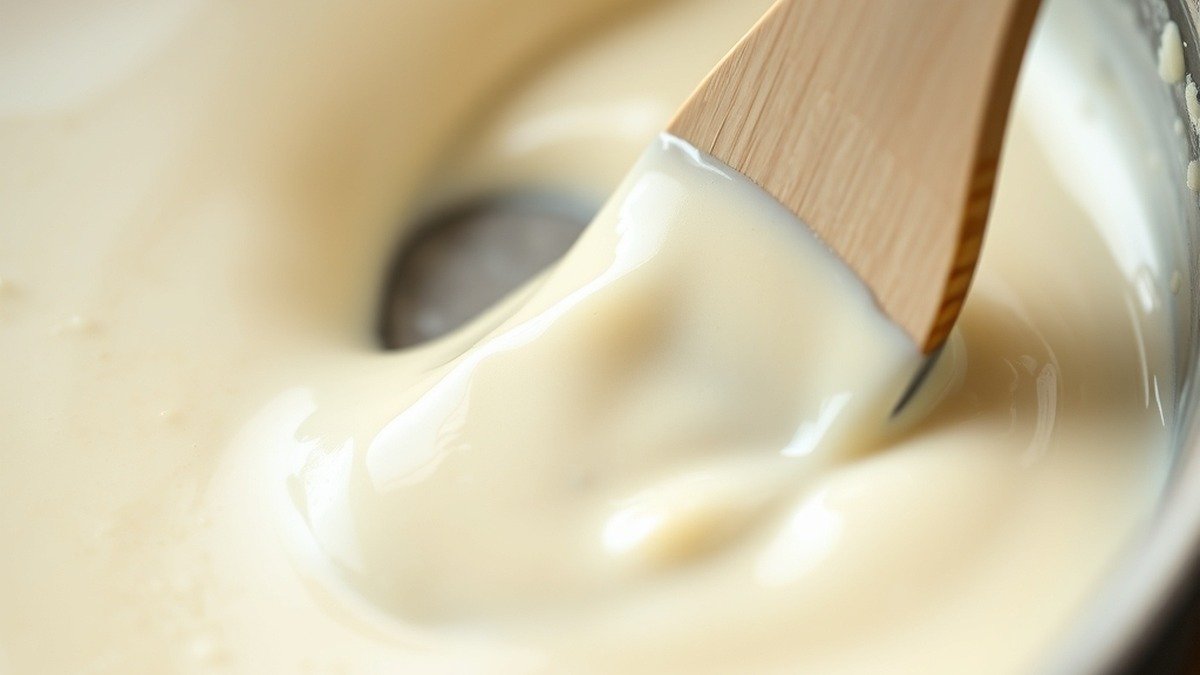
Excessive heat exceeding 180°F (82°C) or sudden acid introduction destabilizes this balance. This causes fat globules to coalesce and water to separate, ruining your dish.
By leveraging lipid-acid emulsion stability and non-polar volatile aroma extraction, we can rebuild the broken structure. Adding a splash of warm starchy water or cold cream introduces moisture and stabilizing proteins that re-emulsify the sauce.
Solute-solvent molecular movement, osmotic moisture drawing, salt crystallization, starch retrogradation, and protein denaturation all play specific roles in correcting the texture.
Using mechanical actions like surface area ratio and structural alteration ensures the new emulsion binds smoothly without graininess.
Ingredients
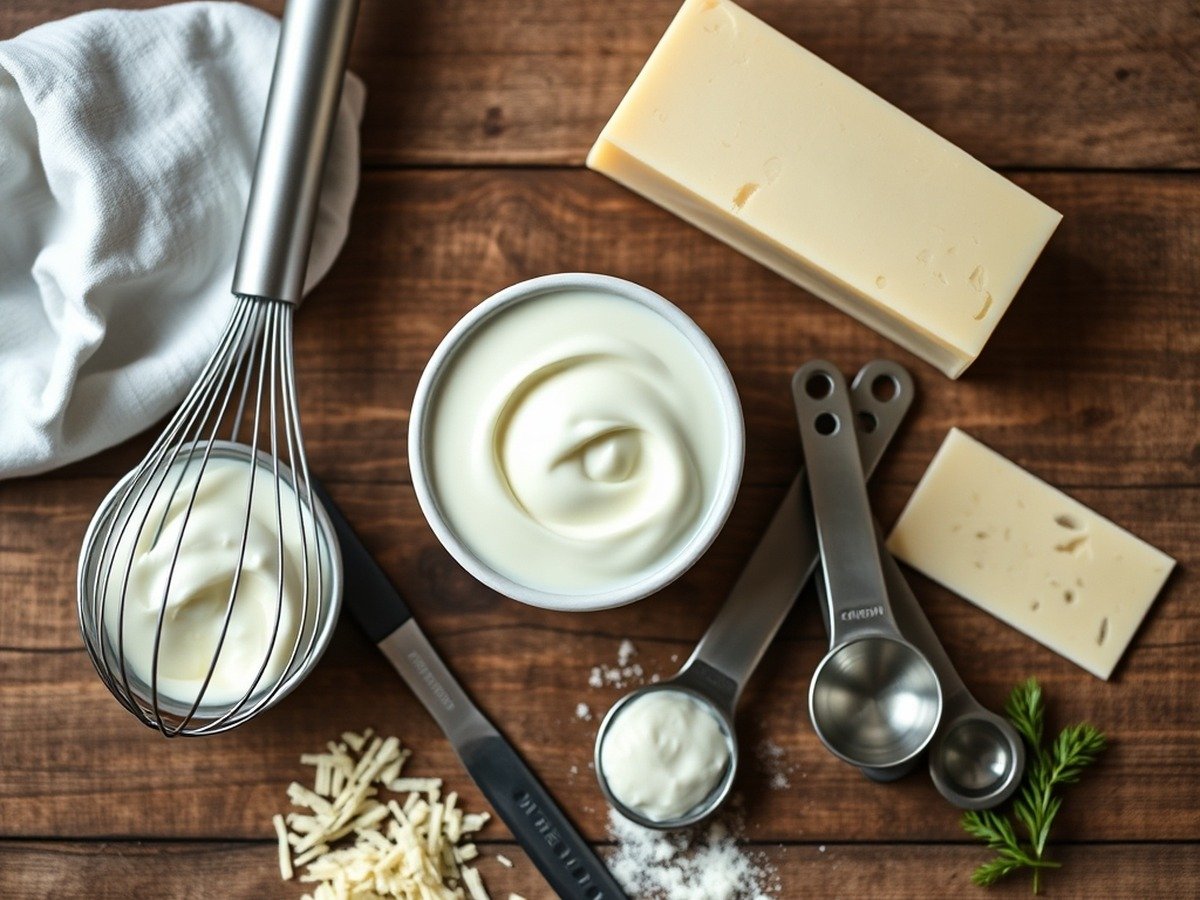
- 2 cups Heavy cream (36% to 40% milk fat)
- 2 tbsp Unsalted butter
- 1/2 cup Freshly grated Parmigiano-Reggiano cheese
- 1/4 tsp Kosher salt
- 1/8 tsp Freshly ground white pepper
- 2 tbsp Reserved warm pasta cooking water
- 1 tbsp Ice-cold heavy cream (for emergency re-emulsification)
Instructions
- Heat the heavy cream in a wide skillet over medium-low heat until it reaches 165°F (74°C), avoiding any hard boil.
- Whisk in the unsalted butter continuously until completely melted and incorporated into the dairy base.
- Gradually sprinkle in the grated Parmigiano-Reggiano while whisking vigorously to maintain a smooth emulsion.
- If the sauce begins to separate or look oily, immediately remove the pan from the direct heat source.
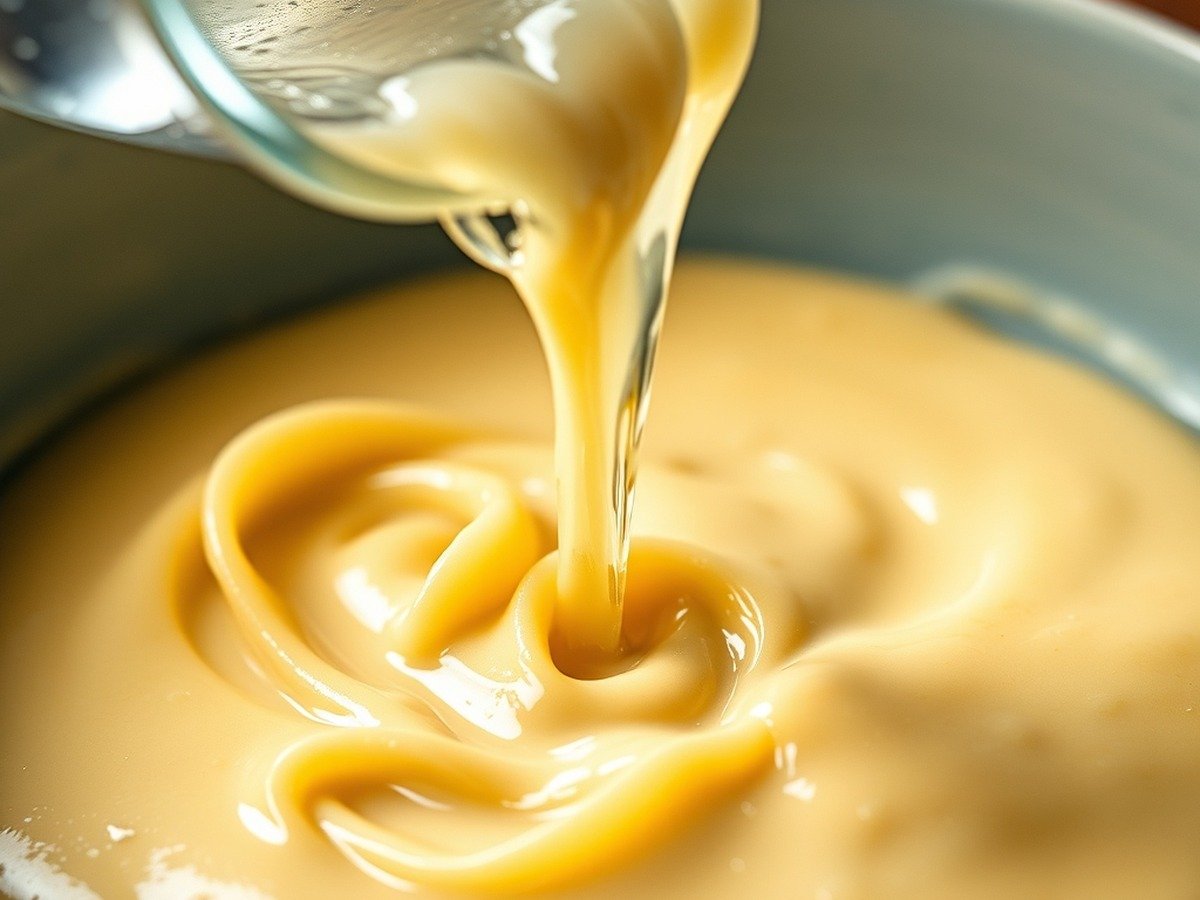
- Pour in the ice-cold heavy cream and reserved warm pasta water to drop the temperature below 170°F (77°C).
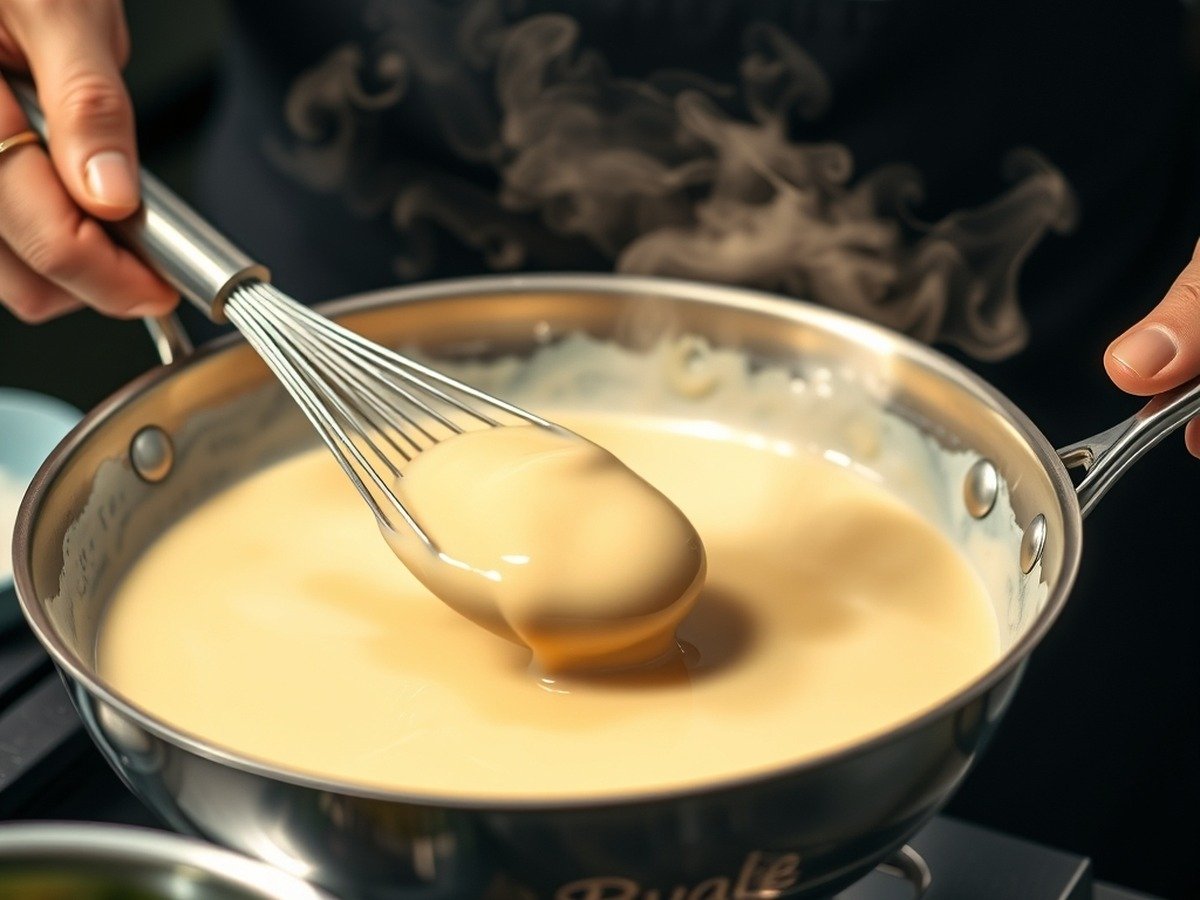
- Whisk rapidly in a circular motion until the sauce comes back together into a glossy, velvety consistency.
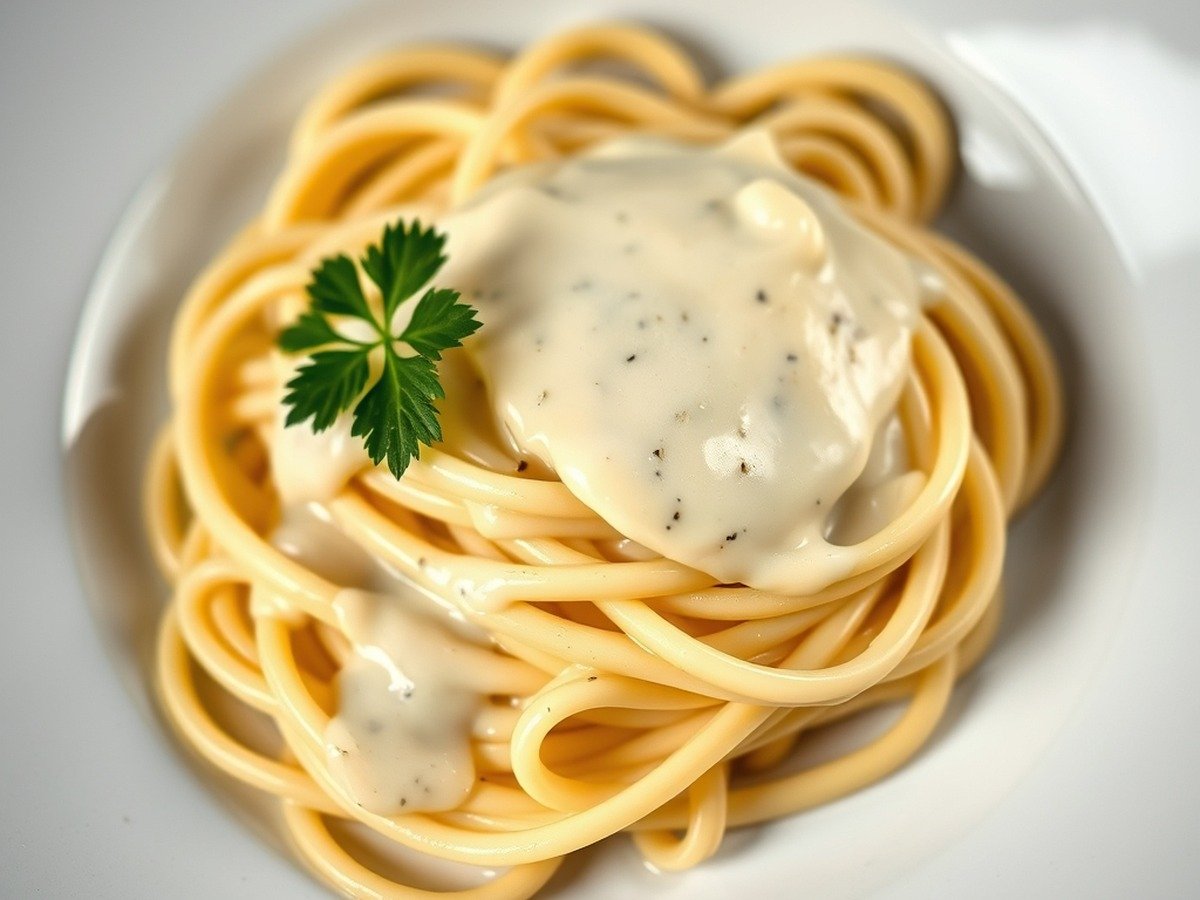
how to fix broken heavy cream sauce Step-by-Step
Discovering your sauce has turned into an oily pool can ruin dinner plans. Knowing how to fix broken heavy cream sauce saves time and prevents food waste. For a similar technique, check out our How long does it take to make how to fix runny buttercream without icing sugar?: Easy 15-Minute Guide.
The primary reason home cooks panic is lack of temperature control. Keeping your burner below medium-low prevents the dairy proteins from tightening too aggressively.
If you have already encountered a split pan sauce, do not throw it away. You can easily rescue it with a splash of liquid and rapid whisking.
For more kitchen wisdom on balancing temperatures, check out this guide on cooking frozen vegetables to understand heat distribution.
When applying methods on how to fix broken heavy cream sauce, always remember that water and fat need a bridge. Starch from pasta water or extra dairy proteins act as that vital bridge.
For additional insights into perfecting delicate textures, visit the USDA guidelines on safe dairy handling and cooking temperatures.
You can also review how to troubleshoot other delicate bakes like liquid cheesecake fillings to master moisture management. Complement this dish with our how to fix runny cheesecake filling: Easy 5-Step Guide.
Key Insights & Tips
Controlling heat is the ultimate rule for dairy sauces. Never let heavy cream boil rapidly once cheese or lemon juice is added.
Always grate your own cheese from a block. Pre-bagged shredded cheese contains cellulose anti-caking agents that ruin smooth cream sauces.
Chef’s Troubleshooting Matrix
| Issue | Scientific Cause | Instant Fix |
|---|---|---|
| Oily puddle separation | Thermal protein denaturation exceeding 180°F (82°C) | Remove from heat, add 1 tbsp ice-cold heavy cream, whisk vigorously. |
| Grainy or gritty texture | Calcium and casein clumping from high heat or pre-shredded cheese additives | Blend with an immersion blender and strain through a fine-mesh sieve. |
| Sauce is overly thick | Excessive moisture evaporation and starch retrogradation | Whisk in warm chicken broth or pasta water 1 tablespoon at a time. |
Frequently Asked Questions
Why did my heavy cream sauce separate and turn oily?
Your heavy cream separated because the temperature exceeded 180°F (82°C) or because acid caused the dairy proteins to coagulate, forcing the butterfat out.
Can you save a curdled Alfredo sauce with pasta water?
Yes, pasta water contains valuable starches that act as an emulsifier, binding the separated fat and water back together when whisked vigorously off the heat.
How do you fix a cream sauce that is too thick or grainy?
A grainy sauce can be smoothed out by blending it with an immersion blender and adding a splash of warm milk or broth to restore liquidity.
Can you use cornstarch to rescue a broken dairy sauce?
While a cornstarch slurry can thicken a runny sauce, it is not the ideal fix for a broken oily sauce; cold cream and butter work much better for re-emulsifying.
📖 You might also love these How recipes:
- → For another crowd-favorite, see our how to fix runny cheesecake filling: Easy 5-Step Guide
- → For a similar technique, check out our How long does it take to make how to fix runny buttercream without icing sugar?: Easy 15-Minute Guide
- → For another crowd-favorite, see our how to fix runny buttercream without icing sugar: Easy 15-Minute Guide
🌍 Discover More From Our Network
🌍 Easy homemade recipes and cooking tutorials — Discover more delicious home cooking recipes and step-by-step guides.
🌍 Luxury moroccan culinary events and private chef experiences — Planning a Moroccan feast or food-themed celebration? Explore luxury event planning.
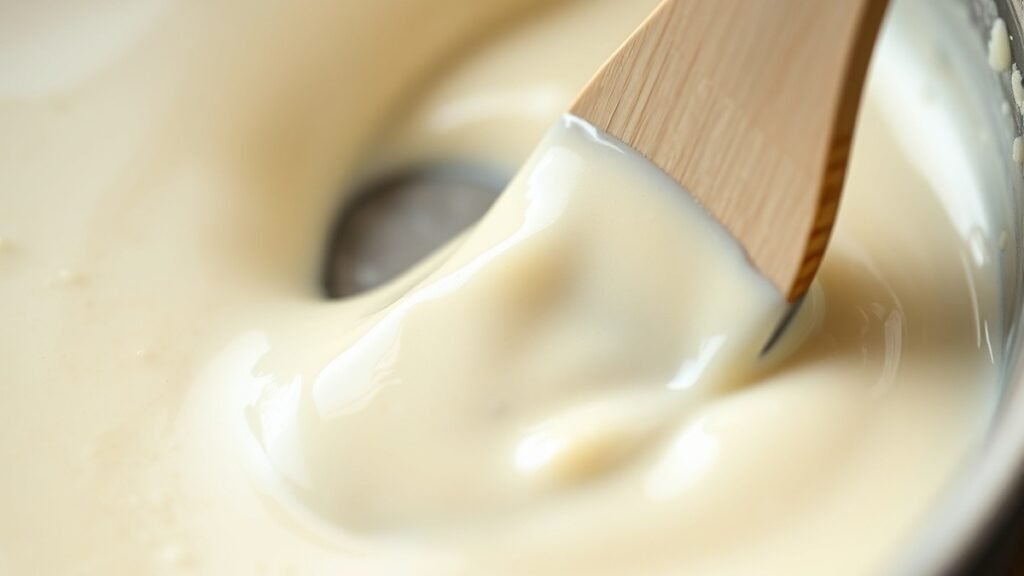

how to fix broken heavy cream sauce: Easy 15-Minute Guide
Description
A professional guide and recipe detailing how to fix broken heavy cream sauce with kitchen science and easy steps.Ingredients
Instructions
-
Heat heavy cream in a skillet over medium-low heat to 165°F (74°C).Do not boil.
-
Whisk in butter and grated cheese until melted.Maintain gentle heat.
-
Rescue broken sauce with ice-cold heavy cream and pasta water.Whisk vigorously off heat.
Nutrition Facts
Servings 4
- Amount Per Serving
- Calories 420kcal
- % Daily Value *
- Total Fat 38g59%
- Saturated Fat 22g111%
- Cholesterol 120mg40%
- Sodium 480mg20%
- Total Carbohydrate 6g2%
- Sugars 2g
- Protein 10g20%
* Percent Daily Values are based on a 2,000 calorie diet. Your daily value may be higher or lower depending on your calorie needs.