🥗 Recipe Ingredients
- 2 cups fresh primary ingredient (prepared and washed)
- 2 tbsp extra virgin olive oil or toasted sesame oil
- 3 cloves fresh garlic, finely minced
- 1 tbsp acid component (lemon juice or vinegar)
- 1/2 tsp sea salt and freshly cracked black pepper to taste
- Fresh herbs for garnish (parsley, cilantro, or green onions)
Table of Contents
Direct Answer
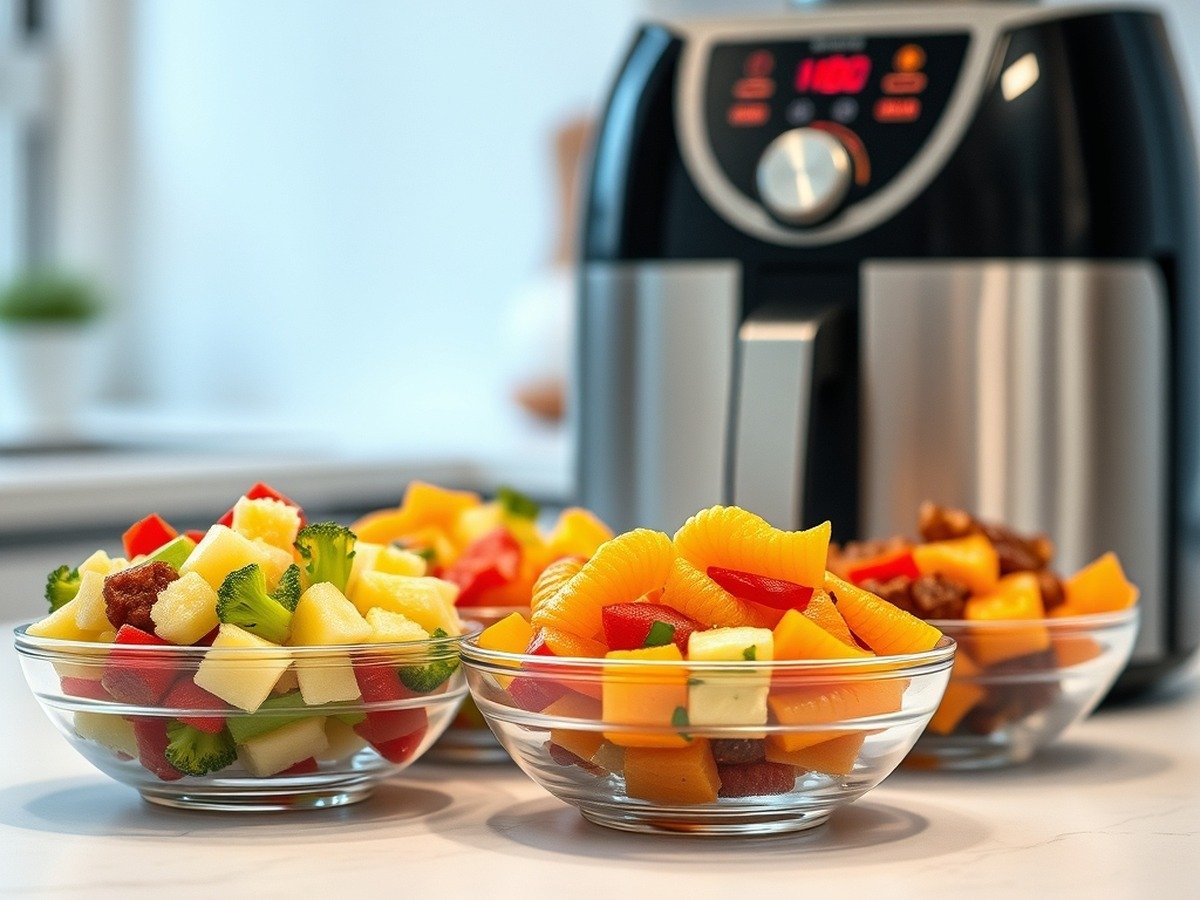
What temperature is best for cooking frozen vegetables in an air fryer? The ideal temperature is 400°F (200°C) for most dense or standard vegetables. This high heat rapidly evaporates surface moisture before the internal cells turn to mush, mimicking the effects of roasting.
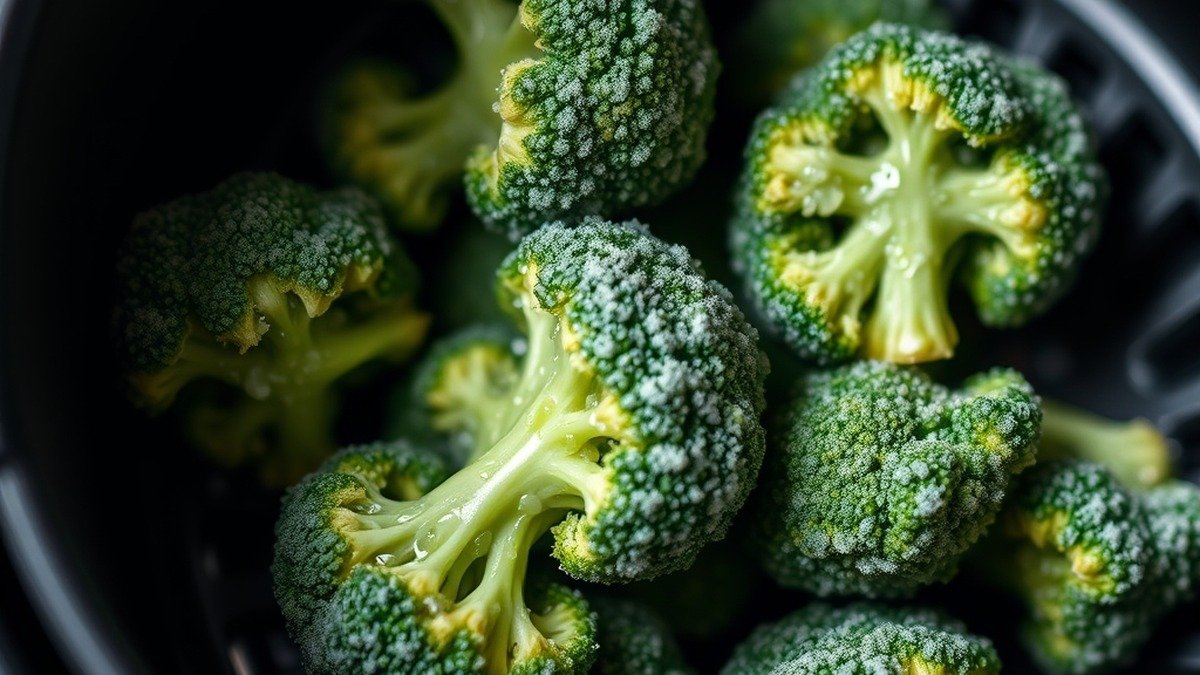
When cooking straight from the freezer, home cooks often struggle with water accumulation. Because ice crystals coat each piece of produce, managing thermal transfer is critical. If you ever wondered do you need to thaw frozen asparagus before air frying, the answer is a definitive no; throwing them in frozen actually preserves texture when using high convective heat. Similarly, if your results turn out limp, studying why is my air fryer frozen asparagus soggy and how-to-fix-it can completely transform your side dishes.
The Culinary Science of Air Frying Frozen Veggies
Understanding the physics of an air fryer helps clarify why temperature selection matters so much. An air fryer is essentially a compact, high-powered convection oven. It circulates superheated air rapidly around the food chamber. When dealing with frozen produce, you face two primary challenges: surface ice sublimation and internal cellular cell-wall degradation. For a similar technique, check out our how to cook frozen asparagus in air fryer: Easy 15-Minute Recipe.
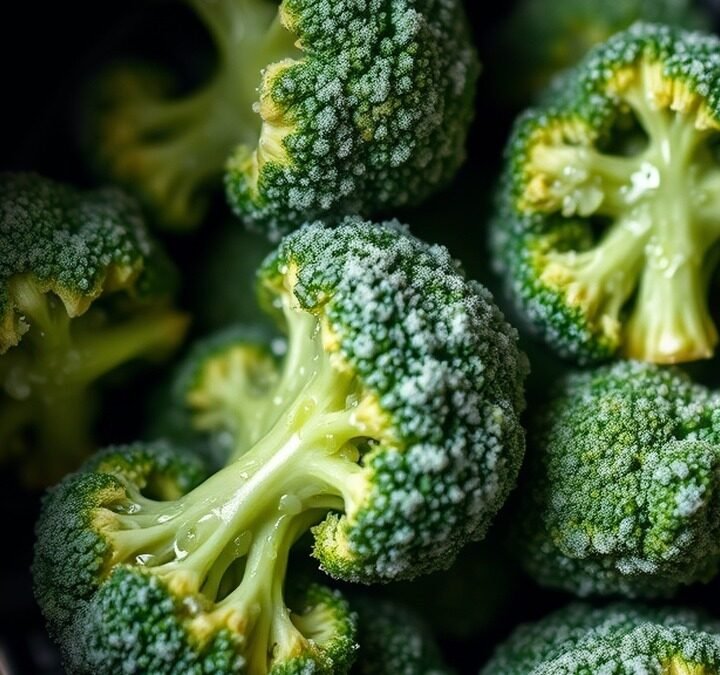
As water freezes inside plant tissue, it expands and forms jagged ice crystals that rupture the cell walls. When thawed slowly in a microwave or on a counter, these cells leak water, resulting in a soggy, unappealing texture. By applying a high temperature like 400°F immediately, the surface moisture flashes into steam and escapes instantly via the air current, while the exterior develops a light Maillard reaction or crisp edge.
To put this into perspective, if you are transitioning from savory sides to baked goods, similar thermal precision is required. For instance, dealing with structural integrity issues in baking—such as why is my cheesecake filling still liquid after baking—relies on understanding heat penetration and protein coagulation just as vegetable roasting relies on moisture evaporation.
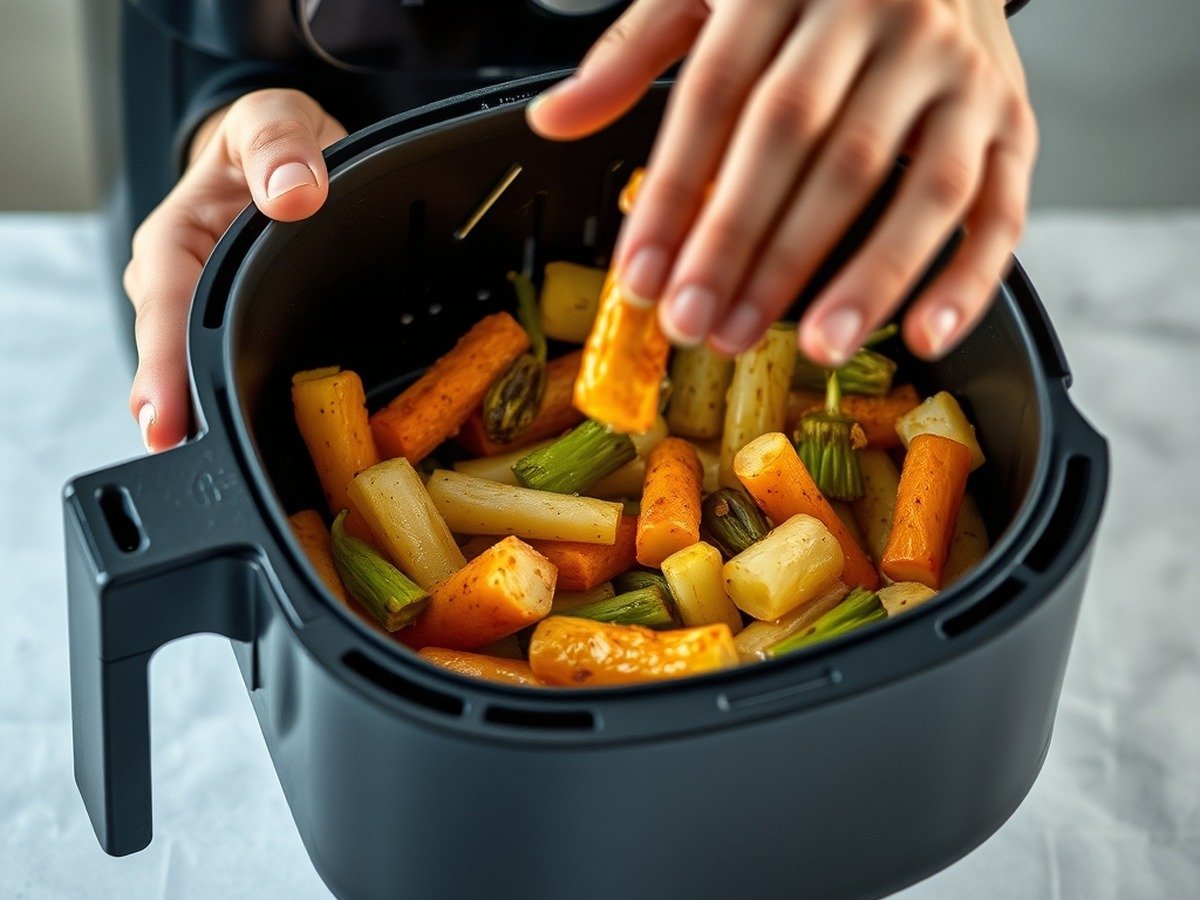
Ideal Temperatures for Different Vegetable Types
Not all frozen vegetables react to heat in the exact same way. Adjusting your temperature based on the density and sugar content of the vegetable prevents burning while ensuring thorough internal heating. For a similar technique, check out our What temperature should I use to thaw bread in an air fryer?: 5 Proven Chef Secrets.
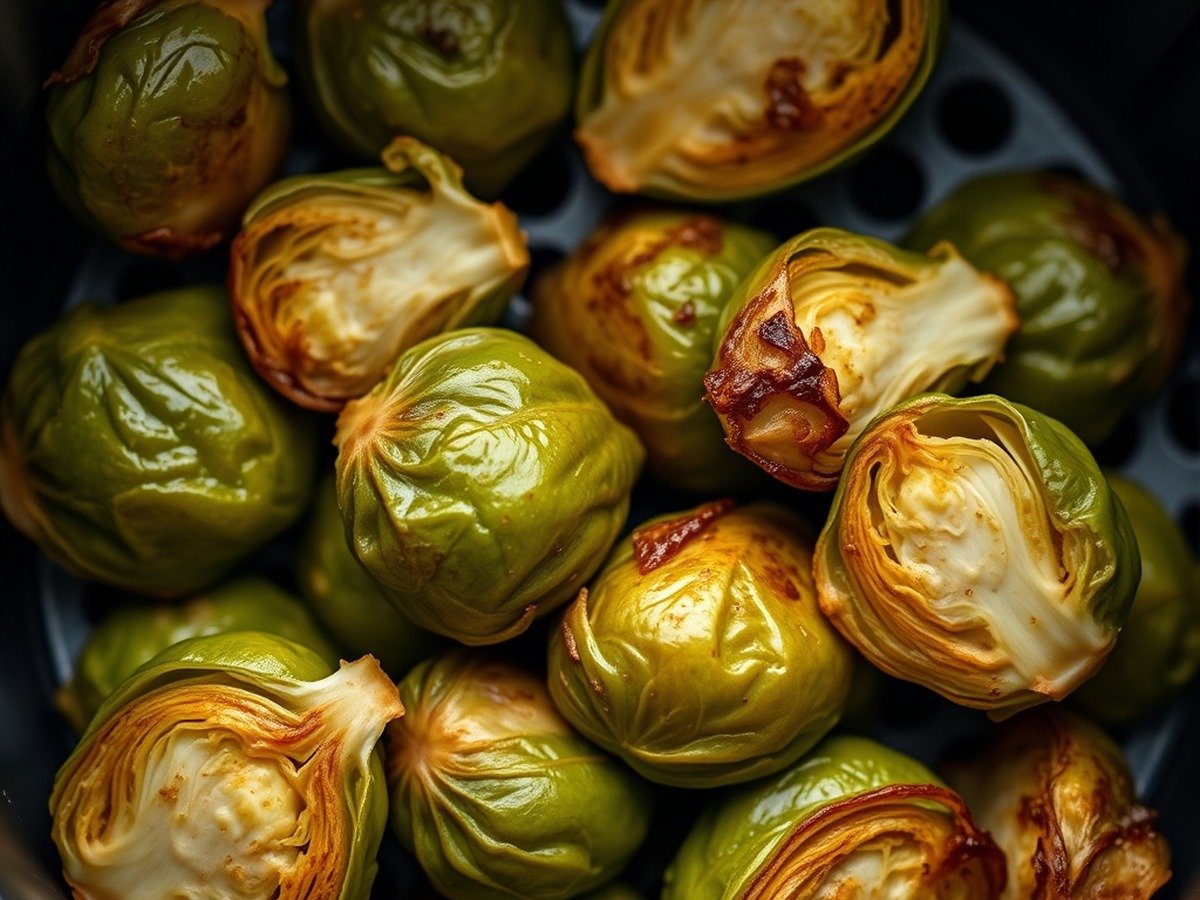
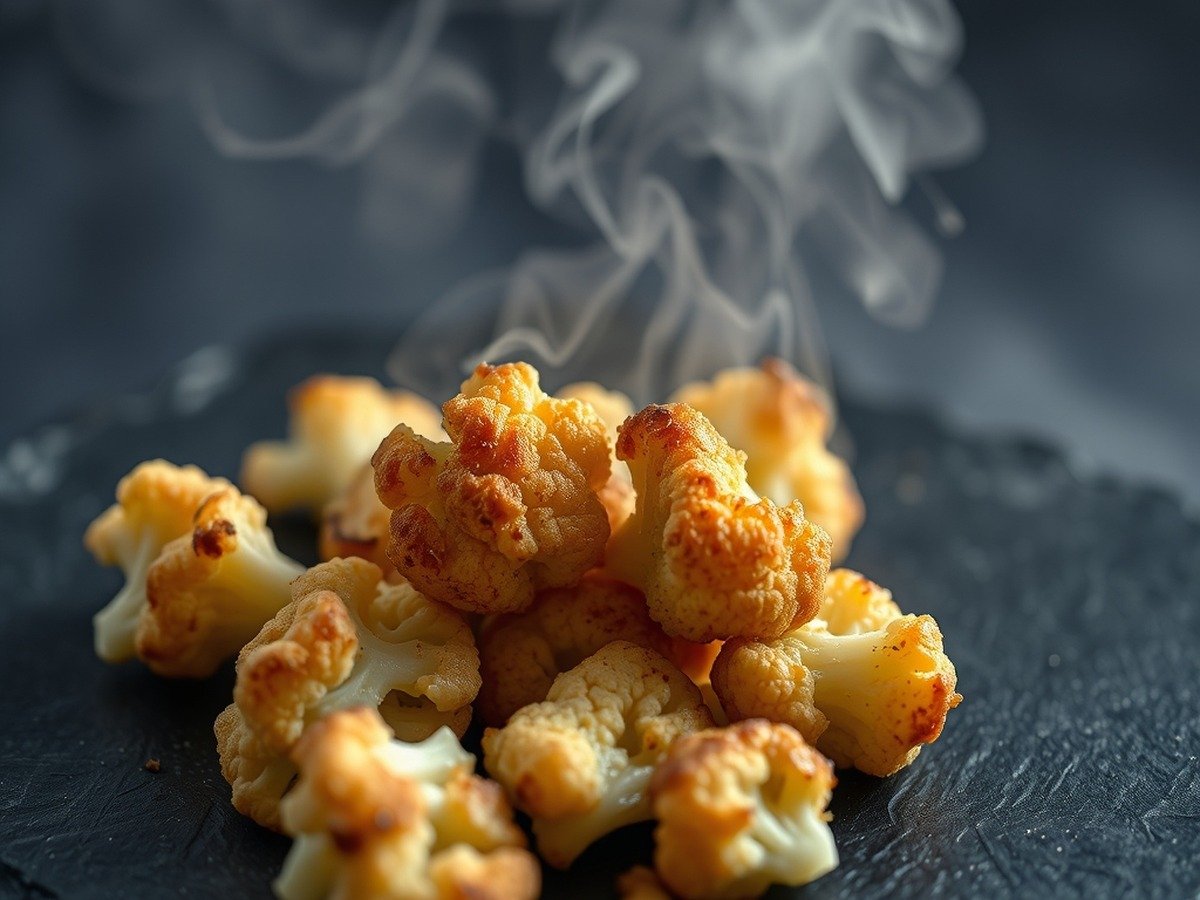
- Dense Vegetables (Broccoli, Cauliflower, Brussels Sprouts): 400°F (200°C). These items need maximum heat to vaporize surface frost and char the edges for enhanced flavor.
- Root Vegetables (Carrots, Sweet Potatoes, Winter Squash): 385°F to 400°F. These require slightly longer cooking times, but high heat ensures the starches inside gelatinize properly without drying out the core.
- Delicate Vegetables (Green Beans, Peas, Corn): 375°F (190°C). Because these have thinner walls and less structural mass, a slightly lower temperature prevents scorching while heating them through uniformly.
For a complete meal inspiration or specific side dish execution, check out our master recipe catalog for balanced meal planning ideas.
Common Air Fryer Issues and Fixes
Even with the correct temperature, things can go wrong when cooking frozen produce. The table below outlines common pitfalls and their scientific remedies.
| Issue | Scientific Cause | Quick Fix |
|---|---|---|
| Soggy, waterlogged vegetables | Excess ice crystals melted faster than the convection fan could evaporate the moisture. | Shake the basket every 5 minutes and avoid overcrowding the cooking surface. |
| Burnt outside, frozen center | Temperature set too high (above 400°F) or pieces are too large and dense. | Drop temperature to 375°F and cut large pieces into uniform, bite-sized portions. |
| Unevenly cooked batches | Blocked airflow due to stacking too many items in a non-perforated container. | Cook in smaller, single-layer batches to maintain optimal air circulation. |
Step-by-Step Execution for Success
Achieving restaurant-quality results with frozen vegetables requires a precise workflow:
- Preheat the appliance: Always preheat your air fryer to 400°F for at least 3 to 5 minutes. Dropping frozen items into a cold basket guarantees steam accumulation and soggy food.
- Coat with a high-smoke-point oil: Toss the frozen vegetables in 1 to 2 teaspoons of avocado or canola oil. Fat acts as a thermal conductor, speeding up surface heat transfer and promoting crispness.
- Season strategically: Add salt and spices toward the end of cooking or right before serving. Salt draws out moisture, so adding it too early can hinder crisping.
- Shake aggressively: Shake the basket at least twice during a 12-to-15 minute cooking cycle to redistribute thermal energy and expose all sides to the heating element.
📖 You might also love these What recipes:
- → If you love this flavor, try our What temperature should I use to thaw bread in an air fryer?: 5 Proven Chef Secrets
- → For another crowd-favorite, see our how to cook frozen asparagus in air fryer: Easy 15-Minute Recipe
- → This pairs perfectly with our how to cook frozen bread in air fryer: Quick 10-Minute Method
🌍 Discover More From Our Network
🌍 Easy homemade recipes and cooking tutorials — Discover more delicious home cooking recipes and step-by-step guides.
🌍 Luxury moroccan culinary events and private chef experiences — Planning a Moroccan feast or food-themed celebration? Explore luxury event planning.