Table of Contents
Quick Answer: Why is My Cheesecake Liquid?
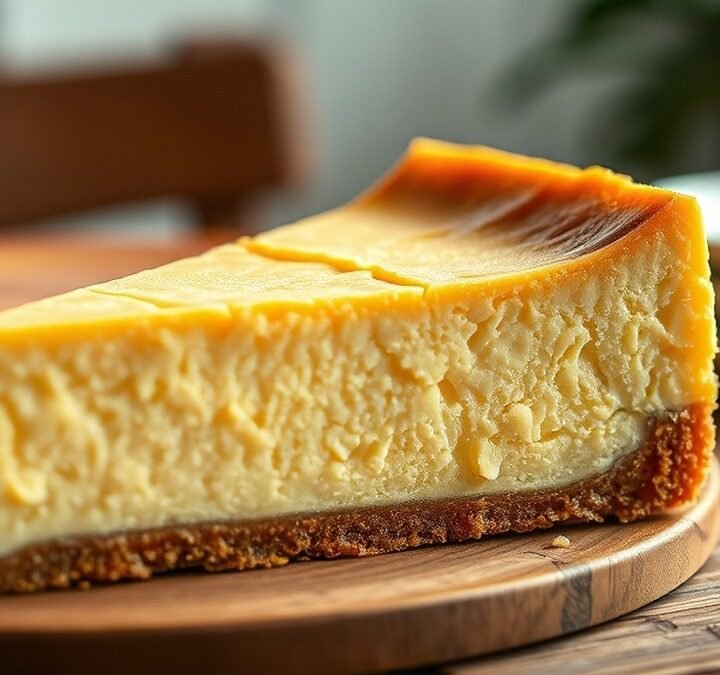
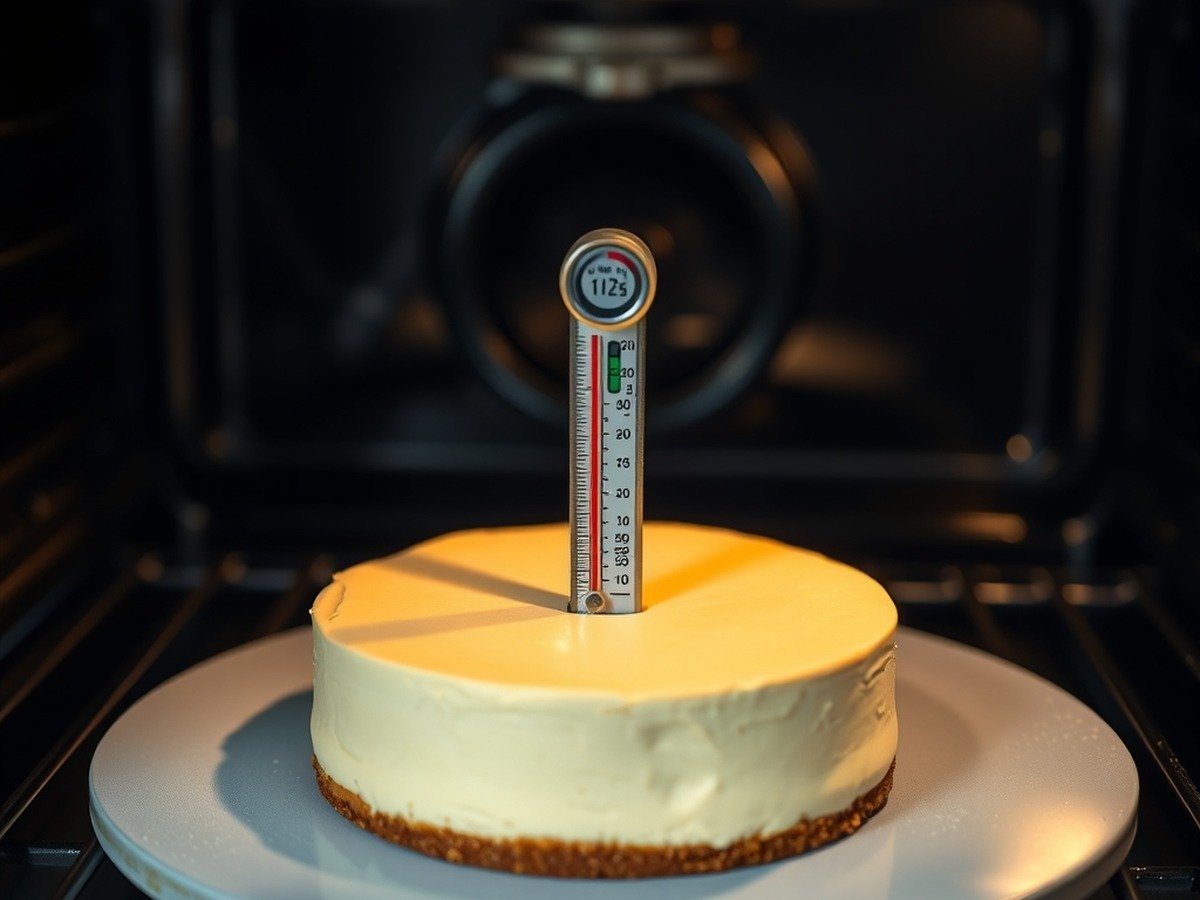
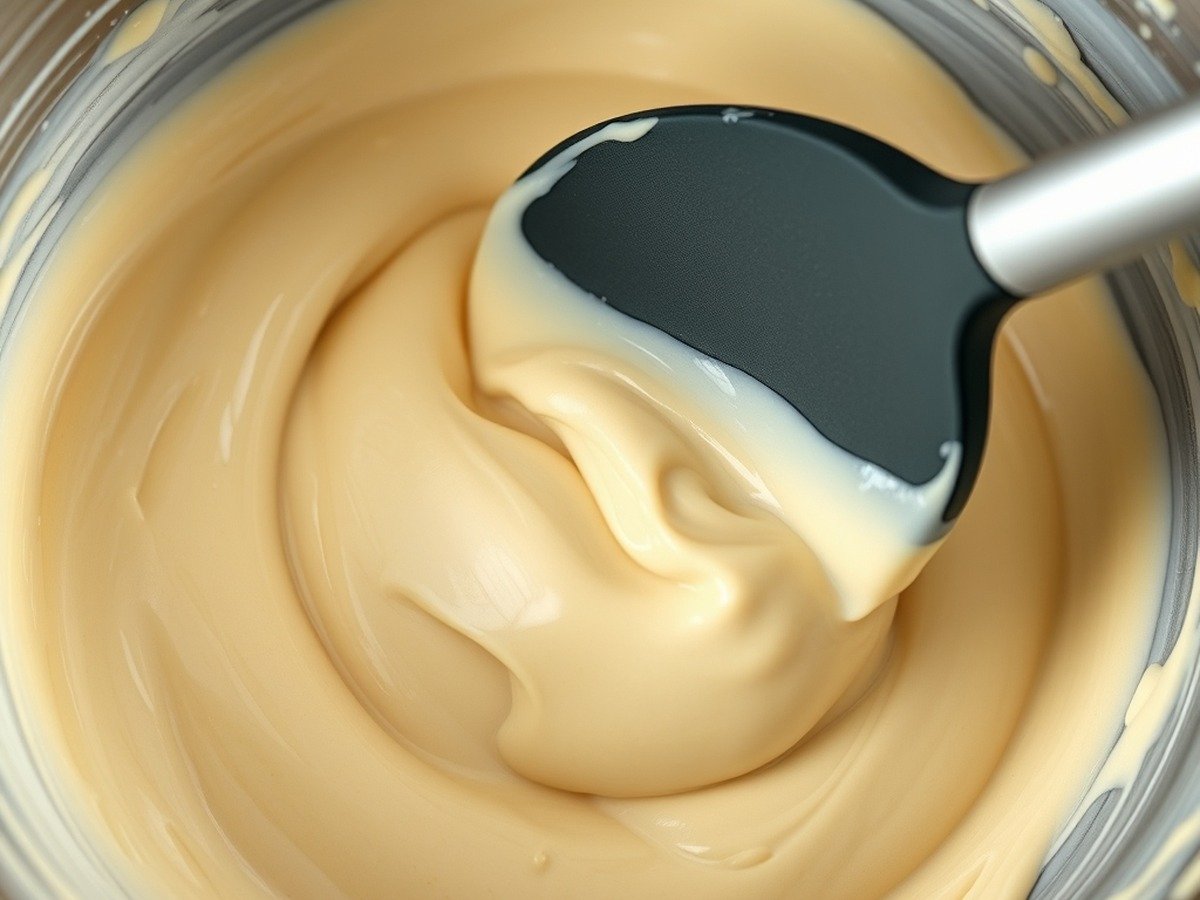
Why is my cheesecake filling still liquid after baking? Typically, a liquid cheesecake filling is caused by under-baking, incorporating too much air during mixing, or using cold ingredients that prevent the protein network from setting properly. To determine the state of your dessert, check the center temperature; a properly baked cheesecake should register around 150°F (65°C) and have a slight jiggle in the dead center while the edges are set.
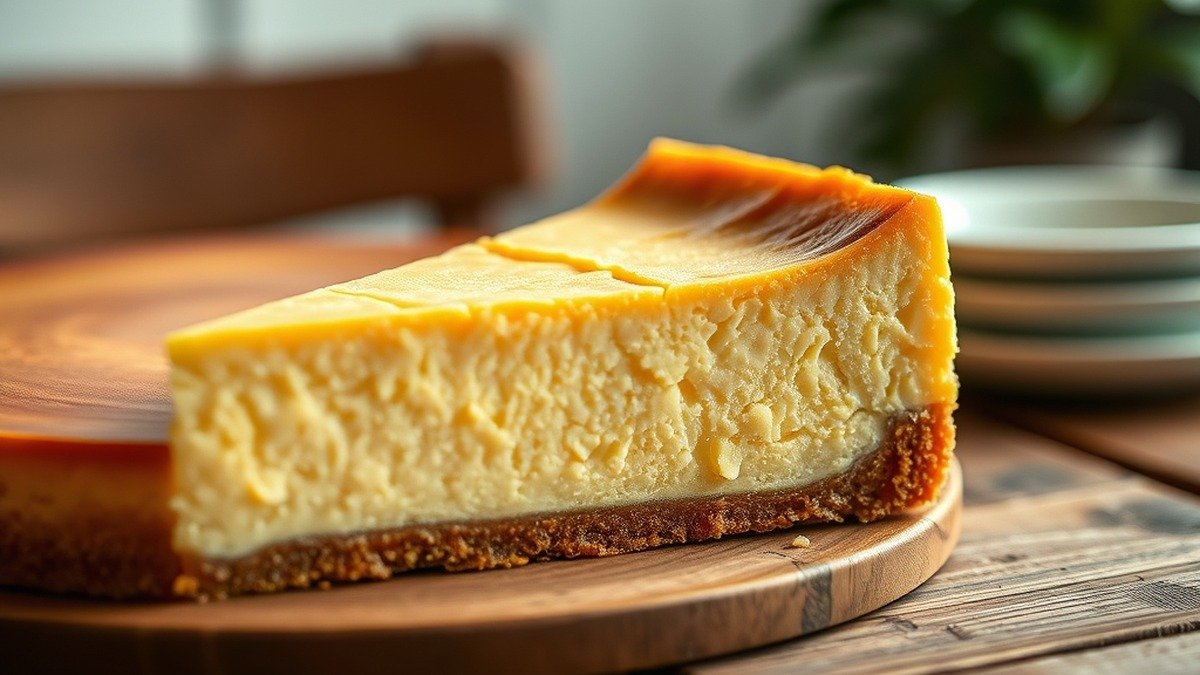
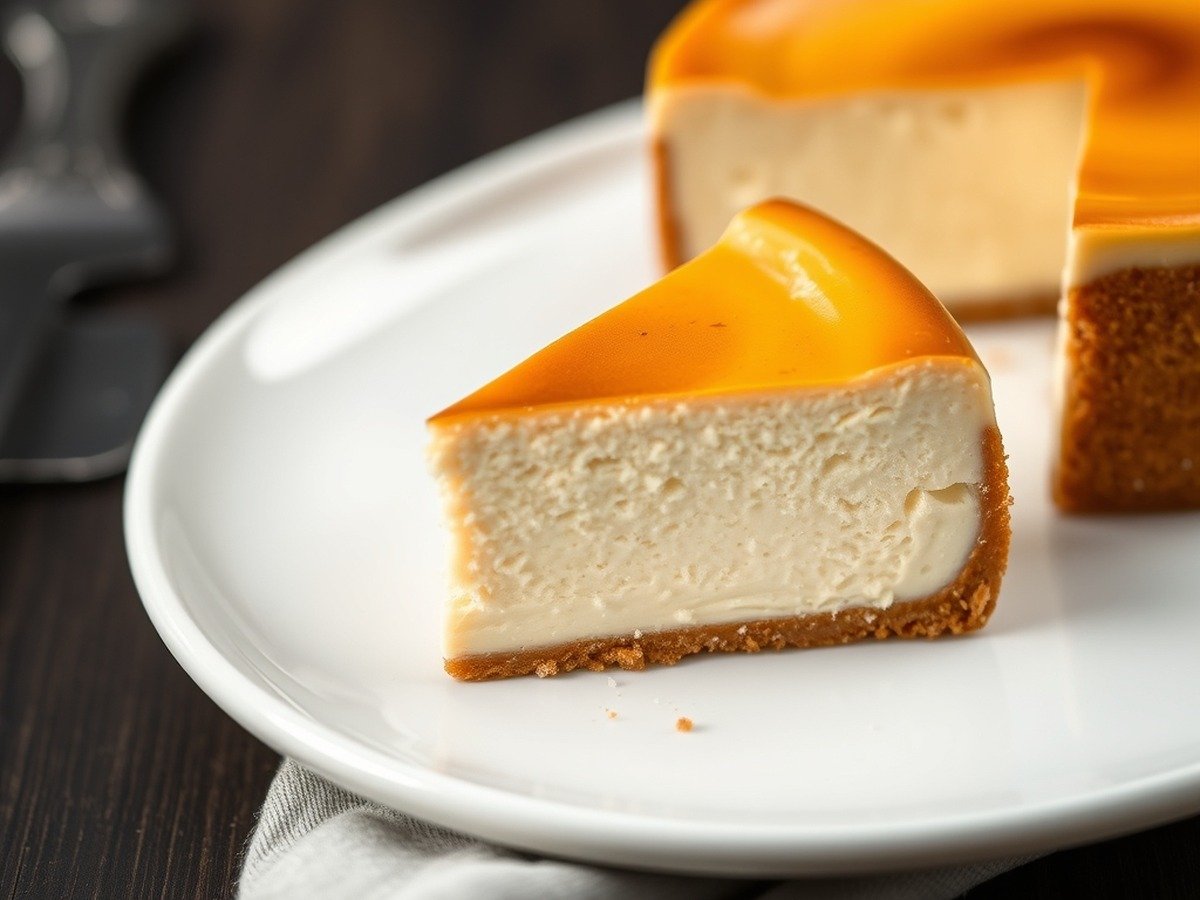
The Culinary Science of Cheesecake Coagulation
Baking a cheesecake is essentially managing a delicate dairy emulsion and protein network. Cream cheese, eggs, sugar, and sour cream form a suspension of fats, water, and proteins. When heat is applied, egg proteins—specifically ovalbumin in the whites and lipoproteins in the yolks—begin to denature and coagulate. As these proteins unfold, they cross-link to form a three-dimensional gel matrix that traps liquid and fat globules.
If the oven temperature is too high, these proteins squeeze too tightly, expelling water and causing curdling or cracking. Conversely, if the oven temperature is too low or the bake time is cut short, the proteins never form that vital structural web. The liquid remains trapped only loosely by cold-induced viscosity rather than a permanent thermal bond. Understanding this thermodynamic balance is the first step in diagnosing why your dessert failed to solidify in the oven. If you love this flavor, try our Can you rebake a runny cheesecake after it has cooled?: 5 Proven Chef Secrets.
Top Reasons for a Runny Filling
Several culinary missteps can lead to a disastrously soft or soupy center after your timer goes off. Let us examine the primary culprits:
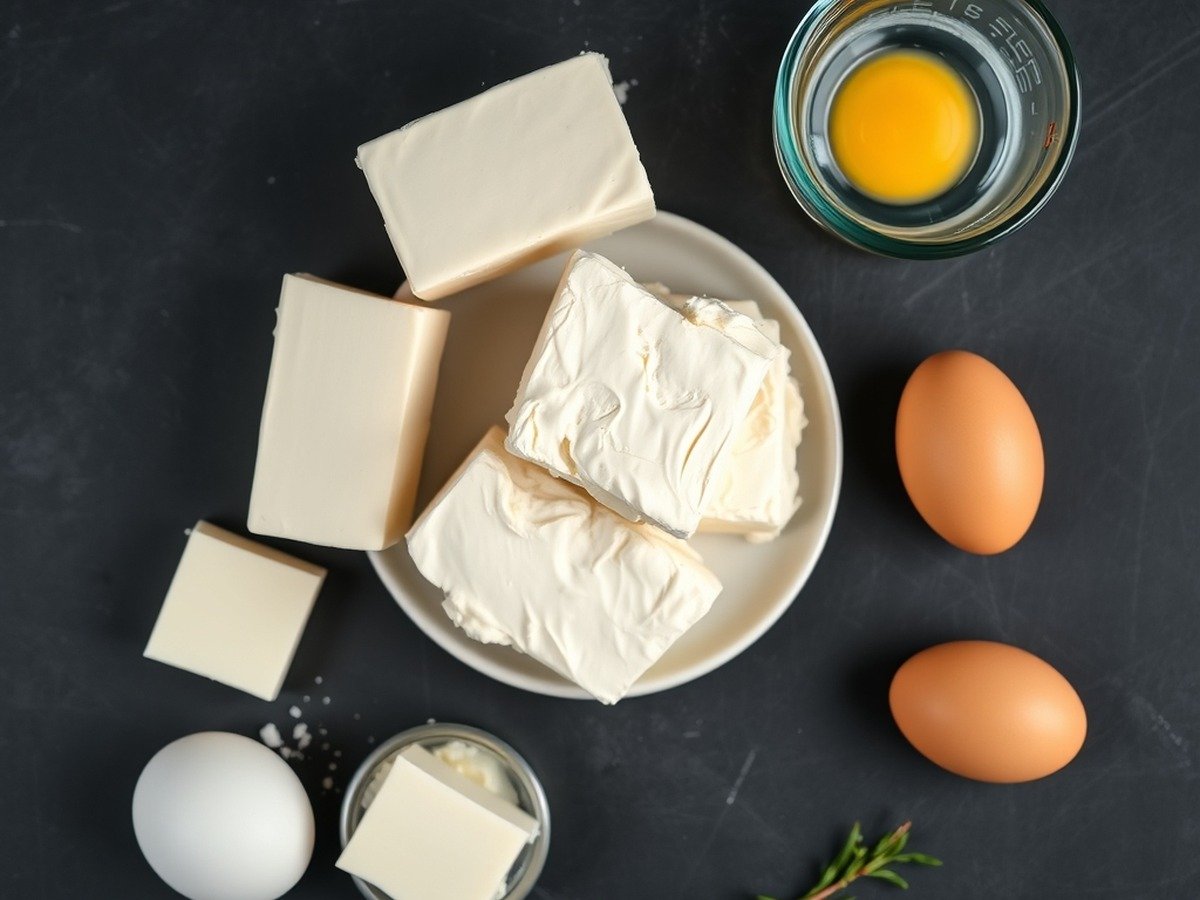
- Temperature Discrepancies: Using cold cream cheese and eggs introduces a thermal shock to the batter. Cold ingredients do not blend smoothly, resulting in lumps that bake unevenly. Furthermore, a cold batter requires longer in the oven, which throws off standard baking times.
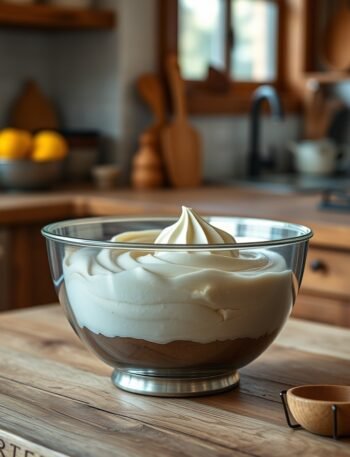
- Over-Mixing the Batter: Whipping your batter at high speed incorporates excess air. As the cheesecake bakes, these air pockets expand, causing the cake to rise dramatically in the oven and then collapse. This structural failure often leaves a dense, custard-like, or runny center upon cooling.
- Improper Water Bath Usage: A water bath (bain-marie) insulates the delicate custard from direct, harsh bottom heat, ensuring gentle, even thermal transfer. Skipping the water bath often leads to over-baked edges and an under-baked, liquid center.
If you pulled your dessert from the oven only to find it shivering like soup, you might wonder if time alone will save it. Many home bakers search for guidance on how long does it take for a runnny cheesecake to set in the fridge before panicking. While refrigeration helps firm up dairy fats through chilling, it cannot fix chemically under-baked eggs.
Troubleshooting Table
Use this diagnostic guide to identify your specific baking error and apply the appropriate remedy. A great companion recipe is our how to fix runny cheesecake filling: Easy 5-Step Guide.
| Issue | Scientific Cause | Quick Fix |
|---|---|---|
| Under-baked Center | Egg proteins failed to reach coagulation threshold (150°F). | Check out can you rebake a runny cheesecake after it has cooled. |
| Curdled Texture | Protein tightening forced out free water due to excessive heat. | Purée the mixture and fold in a tablespoon of cornstarch. |
| Too Much Air | Aggressive mixing incorporated air pockets that collapsed. | Bake at a lower temperature with a protective water bath. |
How to Salvage Your Soft Dessert
Do not throw away a runny masterpiece just yet. If the cooling phase has already begun and the center refuses to firm up, you have several rescue paths available. For minor textural issues, consult our detailed guide on how to fix runny cheesecake filling for step-by-step culinary interventions.
Alternatively, if structural stabilizers are your best route, you can investigate whether can i use gelatin to fix an unbaked runny cheesecake to force a set without applying more oven heat. Gelatin introduces a reliable hydrocolloid network that traps free moisture at refrigerator temperatures, transforming a disappointing soup into a sliceable treat.
Ultimately, patience and precise thermometer readings are your greatest assets in the kitchen. Always test your bake with an instant-read thermometer before turning off the oven heat, and allow the dessert to cool gradually inside the turned-off oven with the door cracked open to prevent thermal shock fractures.
👩🍳 Step-by-Step Instructions
- Step 1: Prepare all fresh ingredients by washing, trimming, and measuring precisely.
- Step 2: Combine core ingredients in a large mixing bowl according to prep directions.
- Step 3: Whisk dressing or seasoning ingredients separately until fully emulsified.
- Step 4: Toss ingredients gently with dressing until thoroughly coated.
- Step 5: Garnish with fresh herbs and serve immediately for maximum flavor.
📖 You might also love these Why recipes:
- → For another crowd-favorite, see our how to fix runny cheesecake filling: Easy 5-Step Guide
- → You can also explore our Can you rebake a runny cheesecake after it has cooled?: 5 Proven Chef Secrets
- → If you love this flavor, try our What is the best filling for rice paper dumplings?: Easy 15-Minute Recipe
🌍 Discover More From Our Network
🌍 Easy homemade recipes and cooking tutorials — Discover more delicious home cooking recipes and step-by-step guides.
🌍 Luxury moroccan culinary events and private chef experiences — Planning a Moroccan feast or food-themed celebration? Explore luxury event planning.