Quick Answer
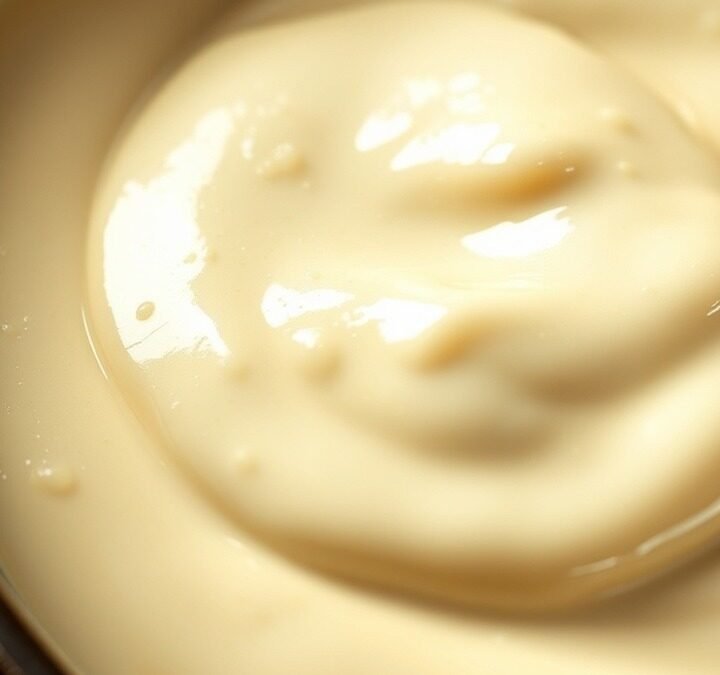
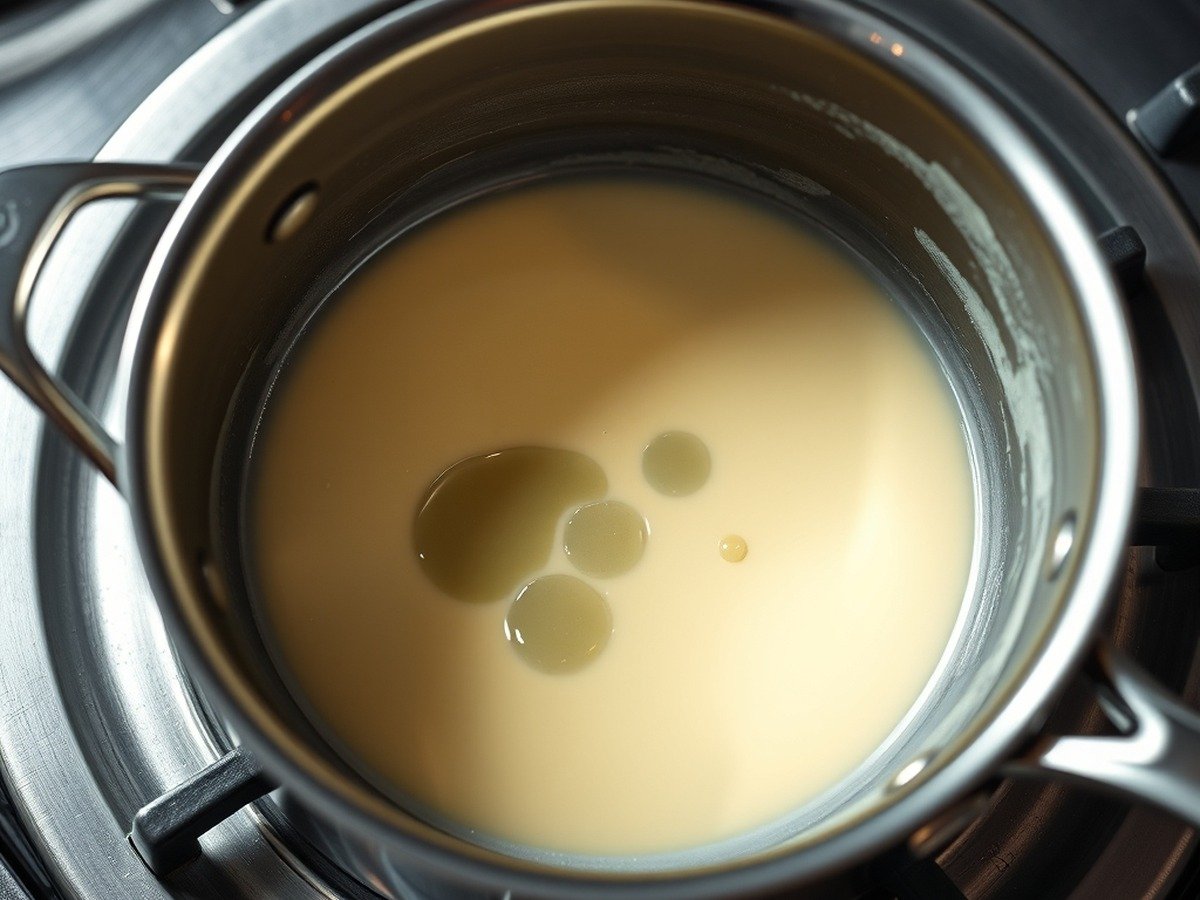
Why did my heavy cream sauce separate and turn oily? Your cream sauce separated because excessive heat, high acidity, or rapid agitation destroyed the delicate dairy emulsion, causing the milk fat globules to coalesce and release free oil. When proteins coagulate too tightly, they can no longer hold the water and fat together, resulting in a greasy pool.
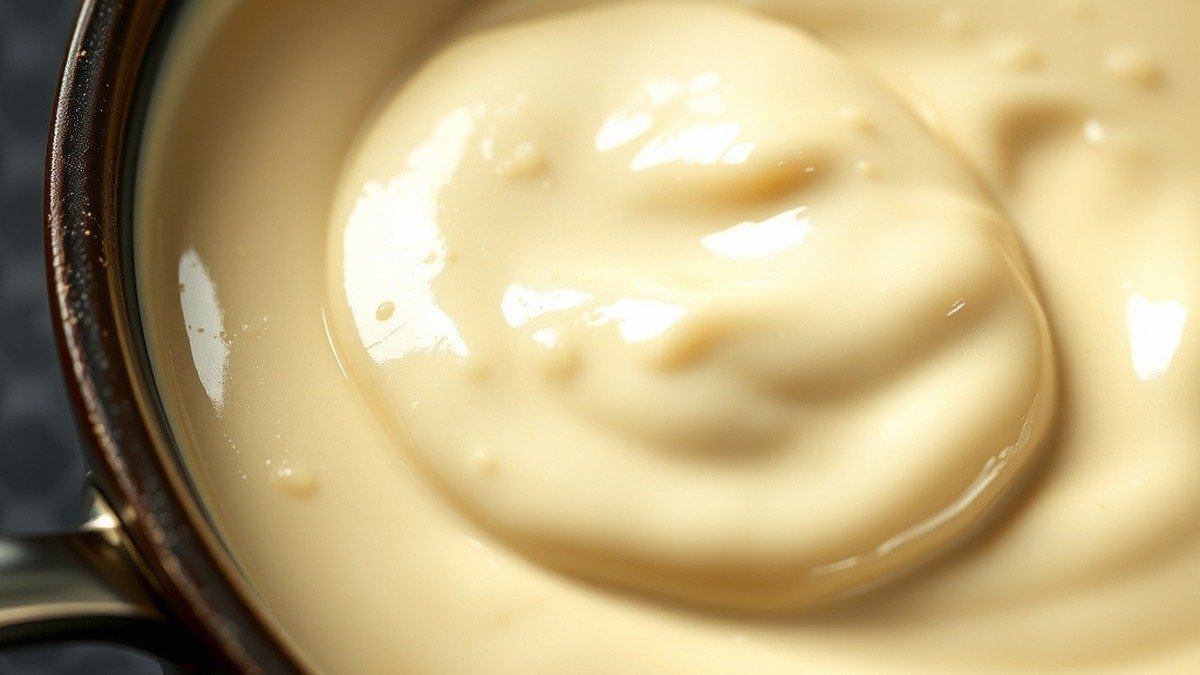
Standing over the stove and watching a velvety alfredo or cream reduction curdle into a greasy puddle is one of the most frustrating culinary mishaps. Whether you are preparing a rich pasta dinner or exploring other home cooking projects like figuring out why-is-my-cheesecake-filling-still-liquid-after-baking, understanding the behavior of fats and proteins changes everything. In this guide, we break down the exact kitchen science behind broken emulsions and provide actionable steps to save your meal.
Understanding the Emulsion Science
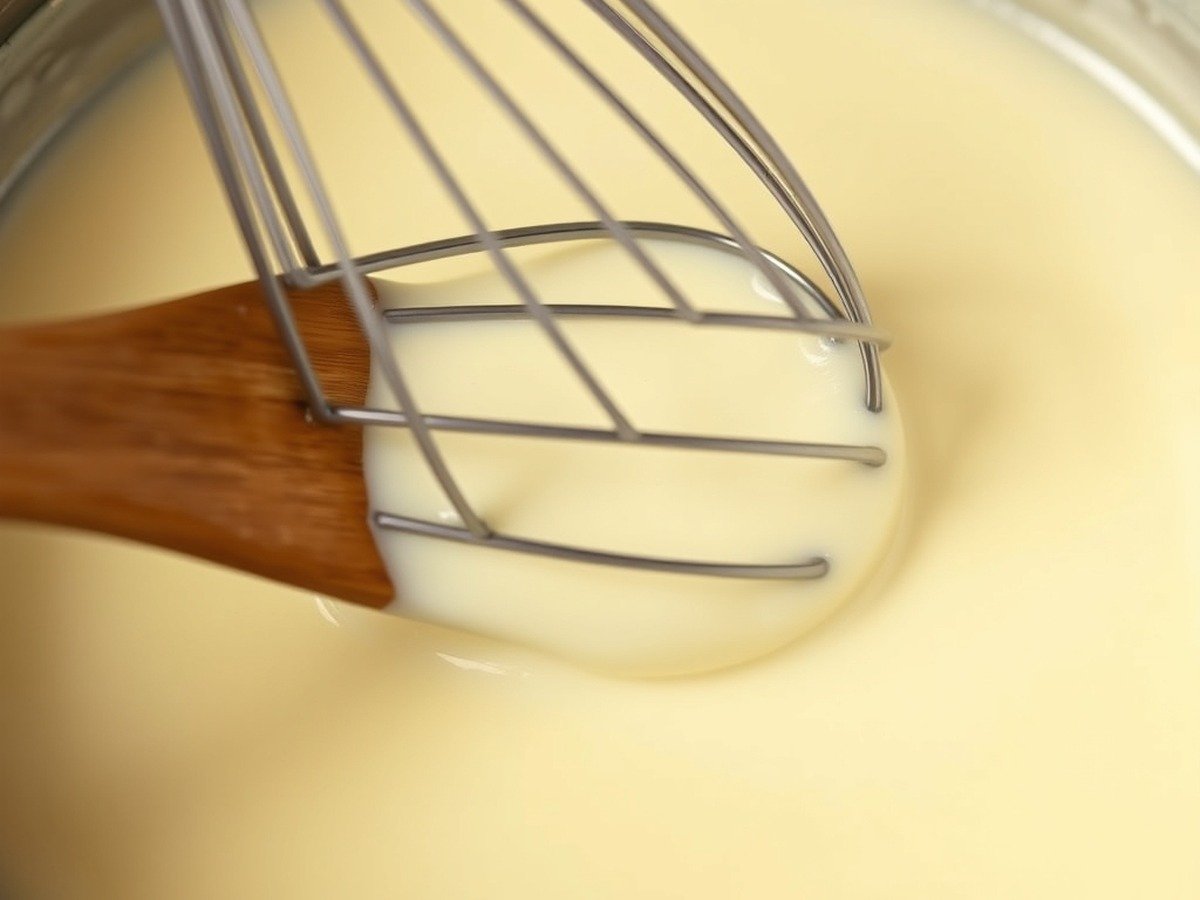
To understand why heavy cream breaks, we have to look at its microscopic structure. Heavy whipping cream is essentially an oil-in-water emulsion. Microscopic droplets of milk fat are suspended in water, held safely in place by natural milk proteins (primarily caseins and whey) and phospholipids that act as emulsifiers.
These natural emulsifiers have a hydrophilic (water-loving) head and a lipophilic (fat-loving) tail. They wrap around fat droplets, keeping them dispersed throughout the watery liquid. However, this system is fragile. When you apply too much thermal energy, introduce high amounts of acid, or stir too aggressively, you disrupt this delicate balance. The proteins denature, squeeze out the trapped water, and allow the free-floating fat globules to smash together and merge into visible pools of oil. For a similar technique, check out our Why do you smash cucumbers in a salad?: Easy 15-Minute Recipe.
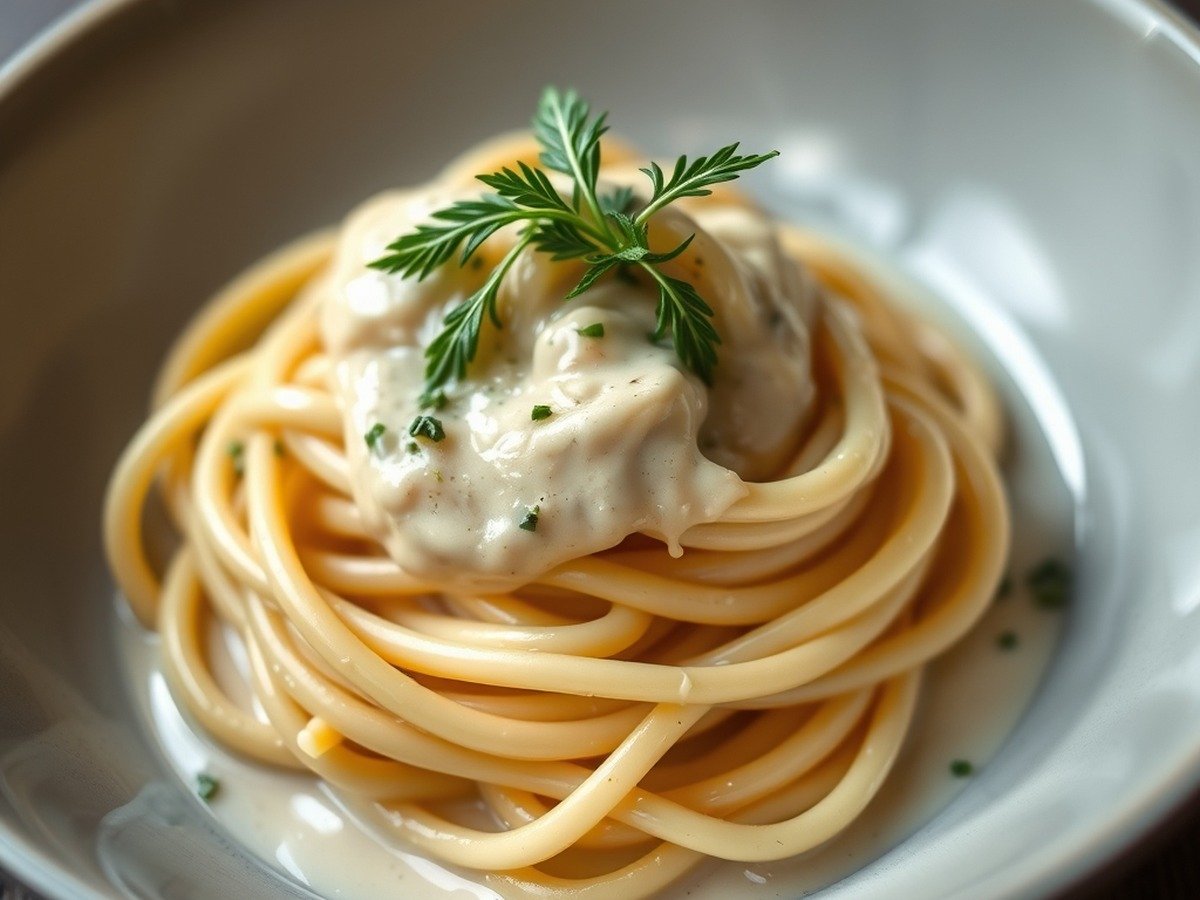
Primary Causes of Sauce Separation
Before jumping into our how-to-fix-broken-heavy-cream-sauce guide, it helps to know what triggered the disaster. Here are the three main culprits responsible for broken cream sauces.
1. Excessive Heat
Heavy cream contains roughly 36% to 40% fat. When subjected to rapid, high heat, the water content inside the cream evaporates quickly, while the fat molecules heat up and expand. Once the temperature passes a certain threshold, the protective protein network breaks down entirely, leading to immediate oil separation.
2. High Acidity
Ingredients like white wine, lemon juice, tomatoes, and certain mustards are acidic. Acid lowers the pH of your sauce, causing dairy proteins to coagulate and clump together. If you add high-acid ingredients directly to unshielded boiling heavy cream, the proteins will instantly tighten and squeeze out the fat.
3. Lack of Stabilizers
Pure heavy cream is notoriously volatile when reduced alone. Without starch networks (such as a roux, cornstarch slurry, or pasta water starches) or secondary emulsifiers (like egg yolks or grated parmesan cheese), the cream lacks structural reinforcement to survive heat stress. Complement this dish with our how to fix broken heavy cream sauce: Easy 15-Minute Guide.
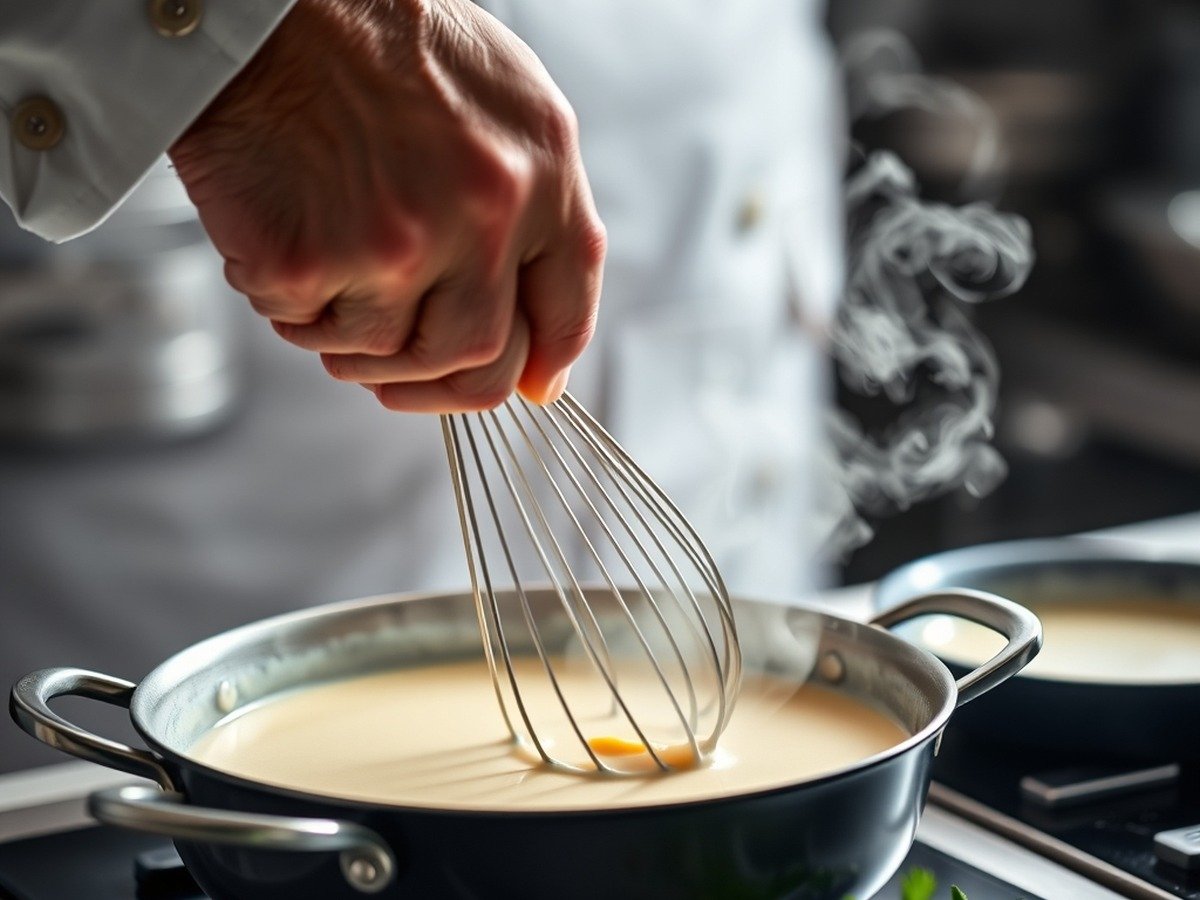
Troubleshooting Table
| Issue | Scientific Cause | Quick Fix |
|---|---|---|
| High heat separation | Thermal breakdown of the protein matrix, allowing fat to pool. | Remove from heat immediately and whisk in 1-2 tablespoons of cold water or heavy cream. | Acid curdling | Lowered pH forces dairy proteins to tighten and expel liquid. | Whisk in a pinch of baking soda to neutralize acid, then blend. | Over-reduction | Excess water evaporation leaves fat oversaturated and unstable. | Add a splash of starchy pasta water and emulsify vigorously off heat. |
How to Fix a Broken Sauce
Do not throw away your separated sauce just yet. You can often rescue a broken emulsion using basic kitchen thermodynamics. First, remove the pan from the burner immediately. Never try to fix a broken sauce over active high heat.
Next, introduce a thermal shock and moisture injection. Pouring in one to two tablespoons of ice-cold water or heavy cream drops the temperature instantly. The cold liquid relaxes the tight protein bonds, while vigorous whisking re-disperses the fat droplets back into the aqueous phase. If your sauce needs extra body, you can also consult legendsrecipes.com/recipe/ for balanced flavor profiles and foolproof sauce bases that incorporate built-in starches.
Preventative Kitchen Habits
The best way to deal with a broken sauce is to prevent it from happening in the first place. Follow these rules every time you cook with dairy:
- Control the flame: Always simmer heavy cream over low to medium-low heat. Never boil it rapidly.
- Add acid last: Incorporate wines, lemon juices, or tomato purees at the very end of cooking, after removing the pan from direct heat, or buffer them with a roux.
- Use starch insurance: Incorporate a small amount of all-purpose flour, a butter-and-flour roux, or starchy pasta water. The starch molecules swell and form a physical web that supports the fat droplets.
By respecting the thermal limits of dairy and utilizing smart stabilizing techniques, you will never have to wonder why your sauce turned oily again.
👩🍳 Step-by-Step Instructions
- Step 1: Prepare all fresh ingredients by washing, trimming, and measuring precisely.
- Step 2: Combine core ingredients in a large mixing bowl according to prep directions.
- Step 3: Whisk dressing or seasoning ingredients separately until fully emulsified.
- Step 4: Toss ingredients gently with dressing until thoroughly coated.
- Step 5: Garnish with fresh herbs and serve immediately for maximum flavor.
📖 You might also love these Why recipes:
- → You can also explore our how to fix broken heavy cream sauce: Easy 15-Minute Guide
- → A great companion recipe is our Why do you smash cucumbers in a salad?: Easy 15-Minute Recipe
- → You can also explore our Why do you smash cucumbers in a salad?: Easy 15-Minute Recipe
🌍 Discover More From Our Network
🌍 Easy homemade recipes and cooking tutorials — Discover more delicious home cooking recipes and step-by-step guides.
🌍 Luxury moroccan culinary events and private chef experiences — Planning a Moroccan feast or food-themed celebration? Explore luxury event planning.