🥗 Recipe Ingredients
- 2 cups fresh primary ingredient (prepared and washed)
- 2 tbsp extra virgin olive oil or toasted sesame oil
- 3 cloves fresh garlic, finely minced
- 1 tbsp acid component (lemon juice or vinegar)
- 1/2 tsp sea salt and freshly cracked black pepper to taste
- Fresh herbs for garnish (parsley, cilantro, or green onions)
👩🍳 Step-by-Step Instructions
- Step 1: Prepare all fresh ingredients by washing, trimming, and measuring precisely.
- Step 2: Combine core ingredients in a large mixing bowl according to prep directions.
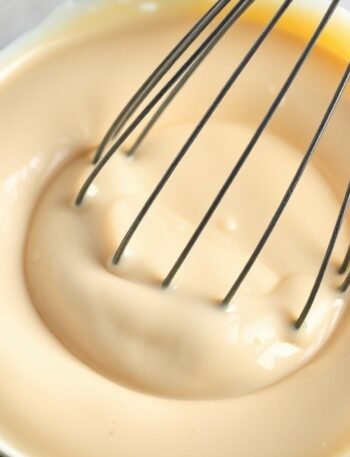
- Step 3: Whisk dressing or seasoning ingredients separately until fully emulsified.
- Step 4: Toss ingredients gently with dressing until thoroughly coated.
- Step 5: Garnish with fresh herbs and serve immediately for maximum flavor.
Table of Contents
Quick Answer
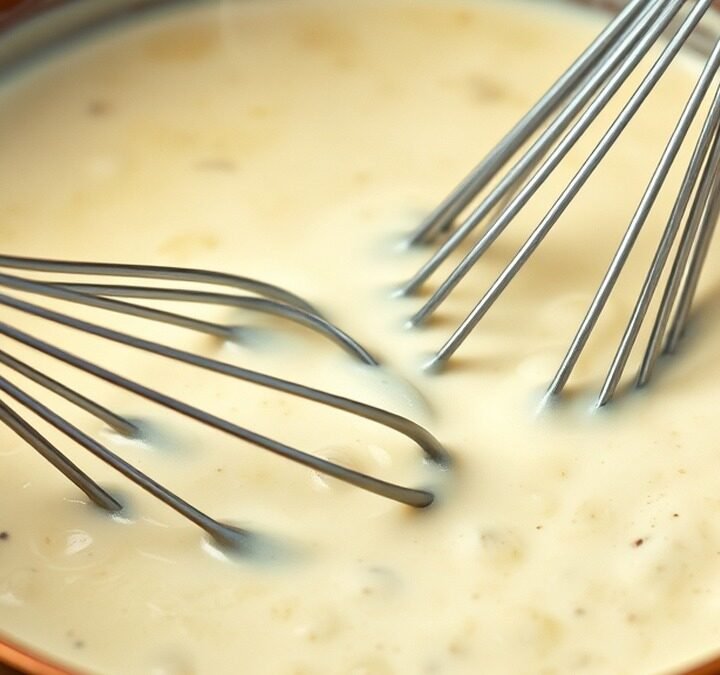
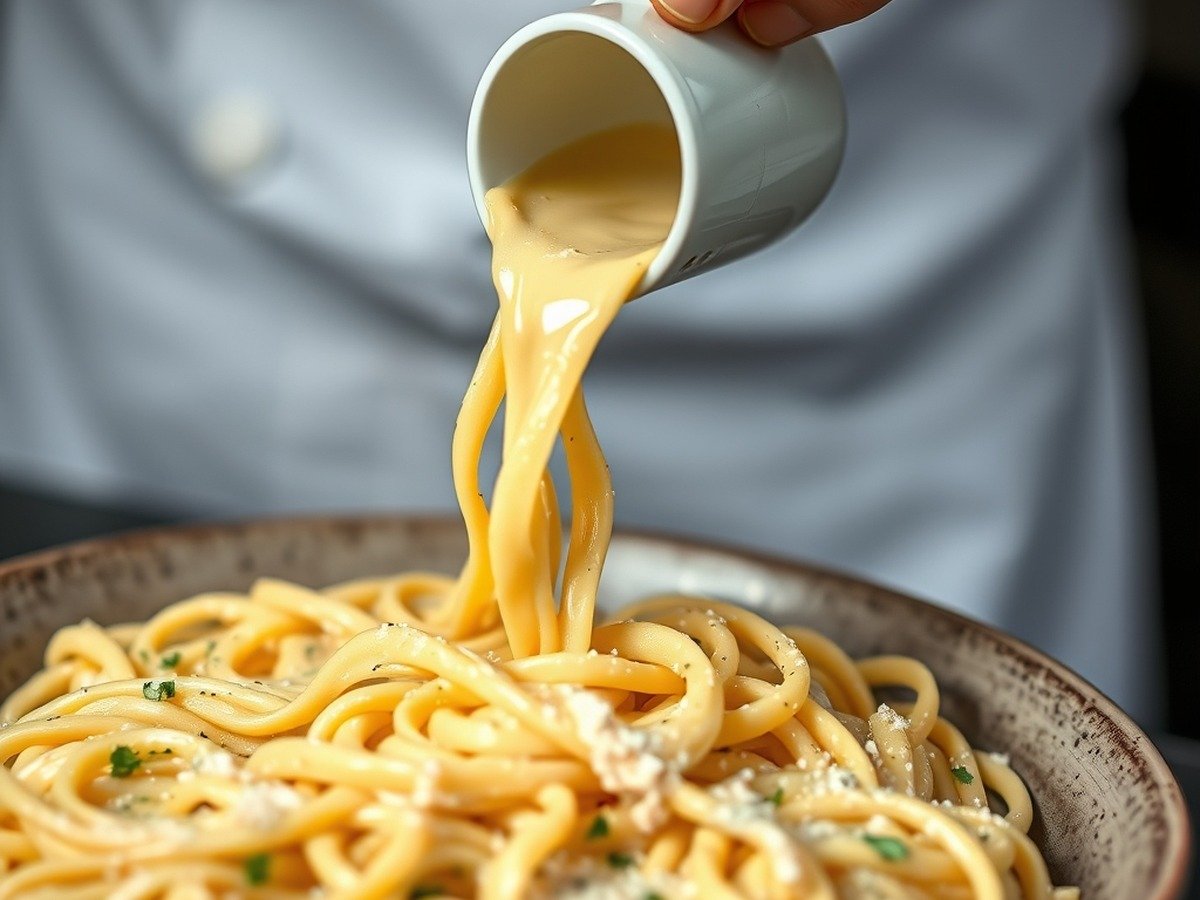
How do you fix a cream sauce that is too thick or grainy? To thin a thick cream sauce, whisk in warm pasta water, broth, or additional heavy cream one tablespoon at a time over low heat. To fix a grainy sauce, blend it with an immersion blender, whisk in an ice cube to lower the temperature, or incorporate a splash of warm heavy cream to re-emulsify the broken fats and proteins.
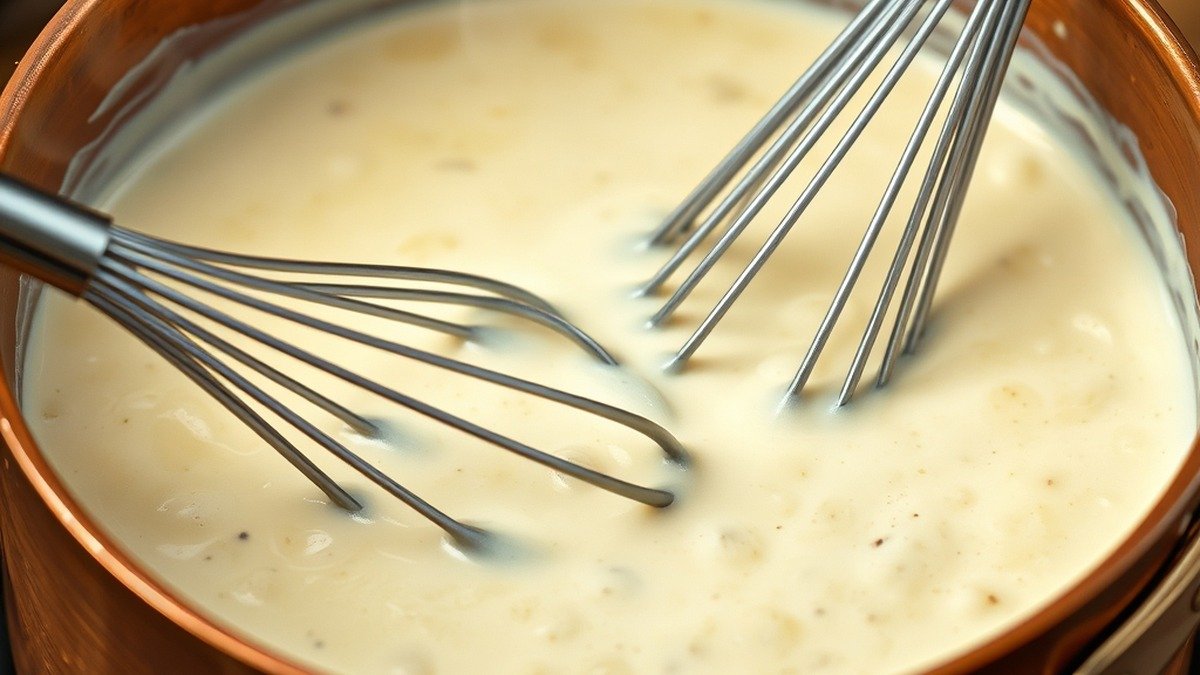
Cream-based sauces are the backbone of many comforting dishes, but they are notoriously finicky. Whether you are making a rich Alfredo, a velvety mushroom sauce, or a simple bechamel, minor fluctuations in temperature and moisture can completely alter the texture. Understanding what happens on a molecular level helps you rescue these dishes before dinner is ruined.
The Culinary Science Behind Thick and Grainy Sauces
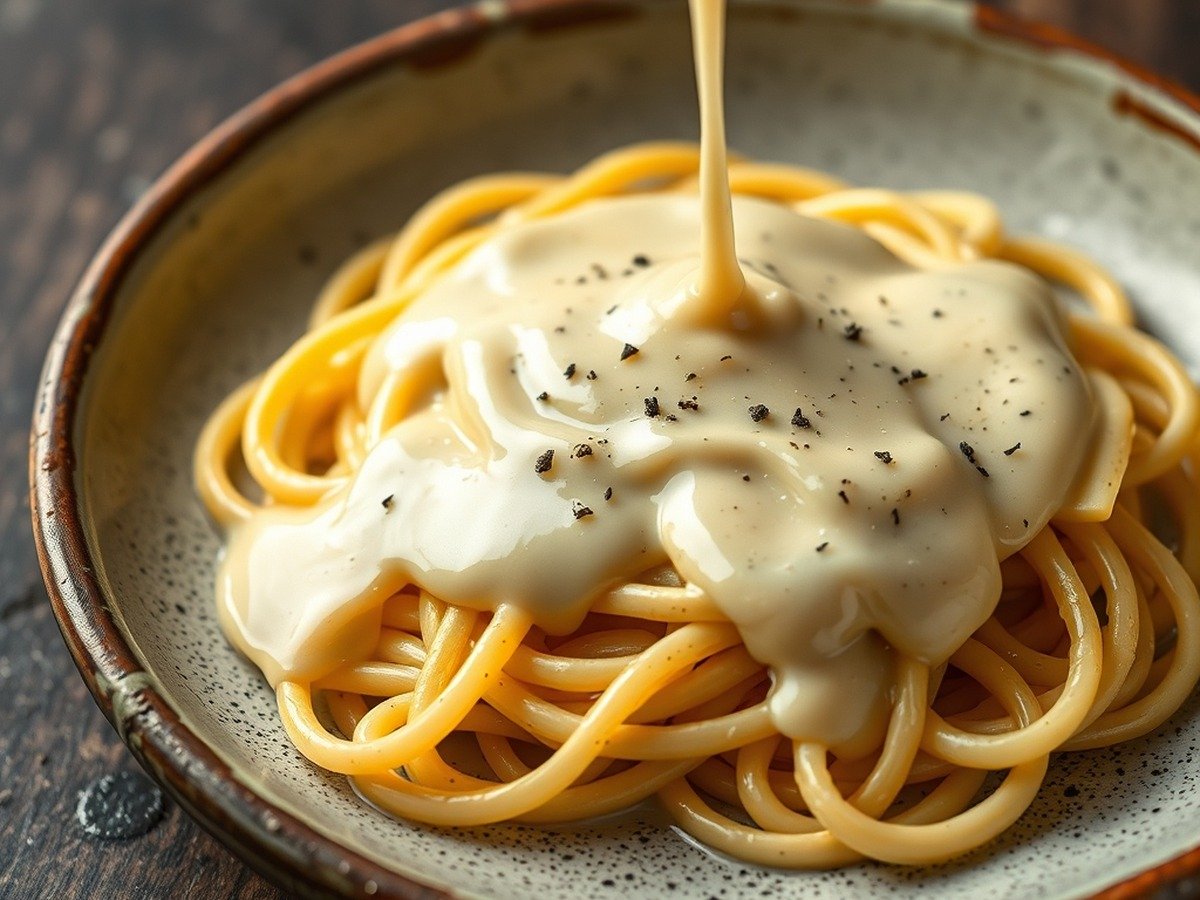
To master cream sauce rescue missions, you must first understand why these textural flaws occur. A standard cream sauce is an emulsion—a delicate suspension of fat droplets dispersed within a water-based liquid, stabilized by proteins and starches. You can also explore our Why did my heavy cream sauce separate and turn oily?: 5 Proven Chef Secrets.
When a sauce becomes too thick, it is usually because too much moisture has evaporated, leaving behind a high concentration of starches (from flour, roux, or pasta) or reduced dairy solids. These molecules swell and trap the remaining liquid, turning your silky sauce into a heavy paste.
Conversely, when a sauce turns grainy or separates, the emulsion has broken. This happens primarily due to excessive heat. High temperatures cause milk proteins (casein and whey) to coagulate into tight, solid clumps rather than remaining evenly spaced. If cheese is involved, the proteins seize up while the fat separates into an oily pool. For more details on dairy separation, check out our guide on why heavy cream sauces turn oily. If your pasta-based dairy sauce has completely curdled, read our expert advice on saving curdled alfredo sauce.
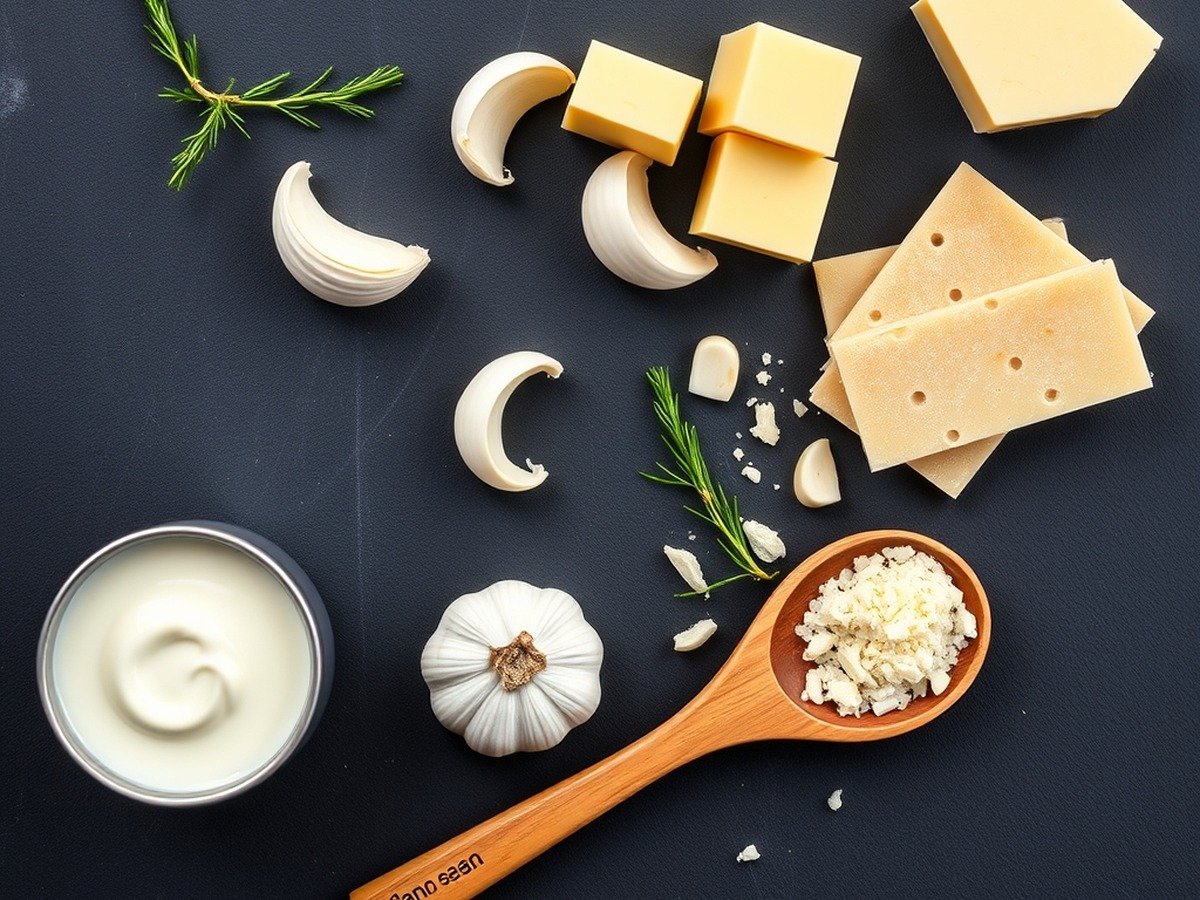
Troubleshooting Table
| Issue | Scientific Cause | Quick Fix |
|---|---|---|
| Sauce is too thick | Excess evaporation; too much starch absorption | Whisk in warm pasta water, broth, or cream 1 tbsp at a time. |
| Sauce is grainy | Protein coagulation from overheating | Add an ice cube and vigorously whisk off the heat. |
| Sauce is oily/broken | Fat separation due to excessive heat or cheese quality | Blend with an immersion blender or add a splash of warm heavy cream. |
| Cheesy sauce is clumpy | Starch-protein tightening at high temperatures | Strain through a fine-mesh sieve or emulsify with a splash of starchy water. |
How to Thin Out an Overly Thick Cream Sauce
Rescuing a sauce that has over-thickened is relatively straightforward because the emulsion is usually still intact; it simply lacks sufficient free water. Follow these steps to restore a pourable consistency: You can also explore our how to fix broken heavy cream sauce: Easy 15-Minute Guide.
- Use Starchy Water: If you are cooking pasta, reserve a half cup of boiling pasta water before draining. The starches left in the water help bind the sauce to your noodles without diluting the flavor.
- Introduce Warm Dairy: Pouring cold milk or cream into a hot pan can shock the dairy and cause further separation. Always warm your liquid slightly before whisking it into the sauce.
- Incorporate Broth: For savory sauces, chicken, vegetable, or mushroom broth adds moisture while enhancing the overall depth of flavor.
How to Smooth Out a Grainy or Broken Sauce
Graininess is a tougher culinary challenge because it indicates structural damage to the emulsion. When you notice the sauce turning sandy or gritty, act immediately:
Remove the pan from the heat source right away. To learn advanced recovery techniques for severely compromised dairy, visit our comprehensive tutorial on how to fix broken heavy cream sauce.
Dropping a single ice cube into the pan rapidly lowers the temperature of the fat, preventing further protein tightening. Whisk vigorously as the ice melts. Alternatively, use an immersion blender for 15 seconds to shear the separated fat droplets back into the liquid phase.
Pro Tips for Cream Sauce Success
Prevention is always easier than a cure. Keep these professional kitchen rules in mind whenever you work with dairy-heavy recipes:
- Keep it Low: Never let a heavy cream or cheese sauce come to a aggressive boil. Maintain a gentle simmer.
- Add Cheese at the End: Always turn off the heat before stirring in grated cheeses like parmesan or cheddar to prevent clumping.
- Avoid Acidic Surprises: Adding high-acid ingredients like lemon juice or wine too quickly can curdle dairy proteins. Whisk them in slowly at the very end.
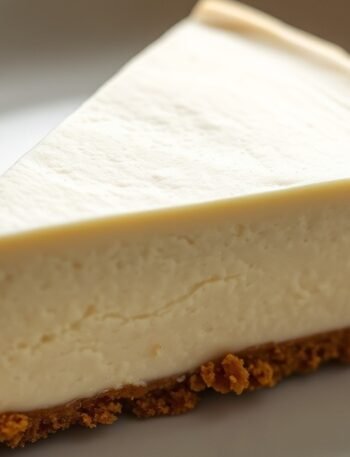
For more baking and thickening troubleshooting, you can also explore our troubleshooting guides for desserts, such as understanding why cheesecake fillings remain liquid or utilizing specialized stabilizers.
📖 You might also love these How recipes:
- → A great companion recipe is our how to fix broken heavy cream sauce: Easy 15-Minute Guide
- → This pairs perfectly with our Why did my heavy cream sauce separate and turn oily?: 5 Proven Chef Secrets
- → A great companion recipe is our How do you make rice paper crispy instead of chewy?: Easy 3-Step Guide
🌍 Discover More From Our Network
🌍 Easy homemade recipes and cooking tutorials — Discover more delicious home cooking recipes and step-by-step guides.
🌍 Luxury moroccan culinary events and private chef experiences — Planning a Moroccan feast or food-themed celebration? Explore luxury event planning.