🥗 Recipe Ingredients
- 2 cups fresh primary ingredient (prepared and washed)
- 2 tbsp extra virgin olive oil or toasted sesame oil
- 3 cloves fresh garlic, finely minced
- 1 tbsp acid component (lemon juice or vinegar)
- 1/2 tsp sea salt and freshly cracked black pepper to taste
- Fresh herbs for garnish (parsley, cilantro, or green onions)
👩🍳 Step-by-Step Instructions
- Step 1: Prepare all fresh ingredients by washing, trimming, and measuring precisely.
- Step 2: Combine core ingredients in a large mixing bowl according to prep directions.
- Step 3: Whisk dressing or seasoning ingredients separately until fully emulsified.
- Step 4: Toss ingredients gently with dressing until thoroughly coated.
- Step 5: Garnish with fresh herbs and serve immediately for maximum flavor.
Table of Contents
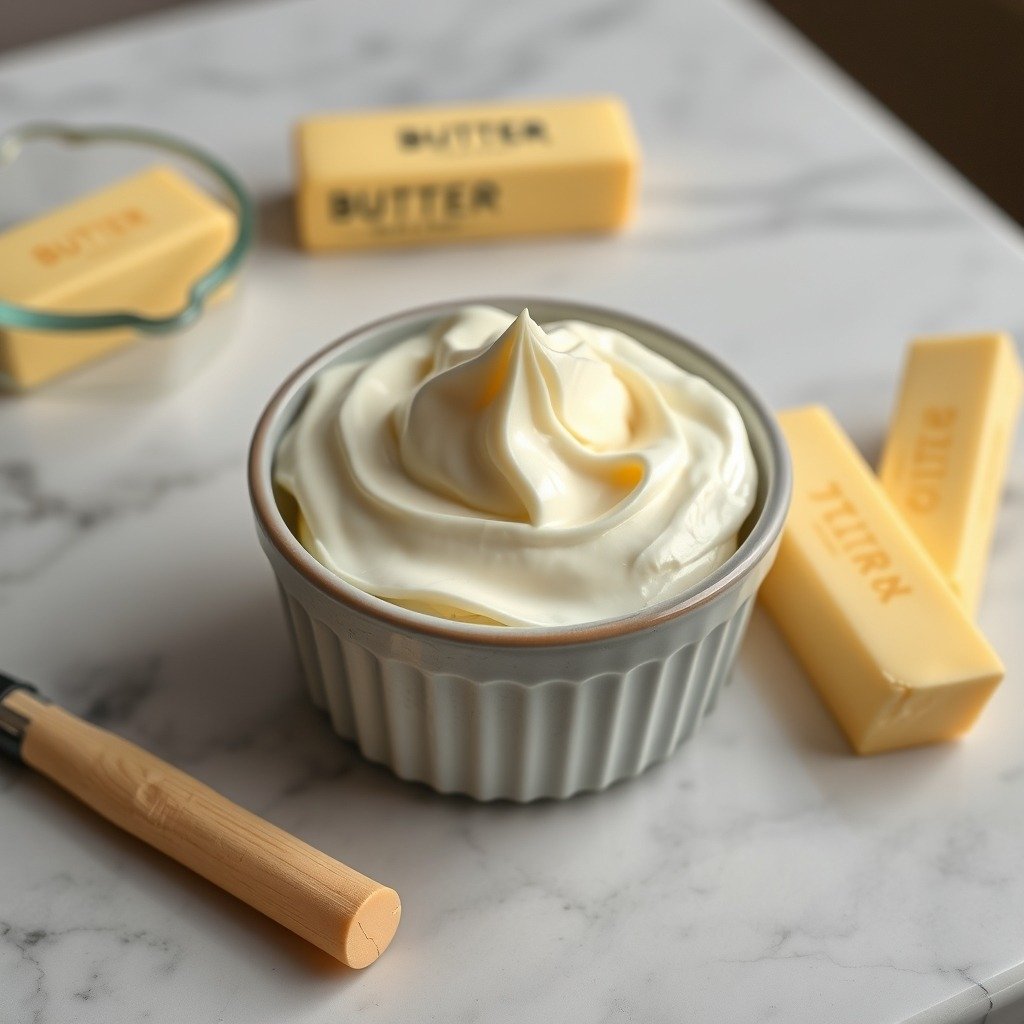
Quick Answer
How to fix runny buttercream in advance involves cooling the mixture to solidify the fat crystals, adding a stabilizing structural agent like powdered sugar or melted-then-cooled white chocolate, and re-whipping to trap air inside the emulsion. If your frosting breaks or melts ahead of a baking project, managing temperature and fat ratios restores a pipeable consistency.
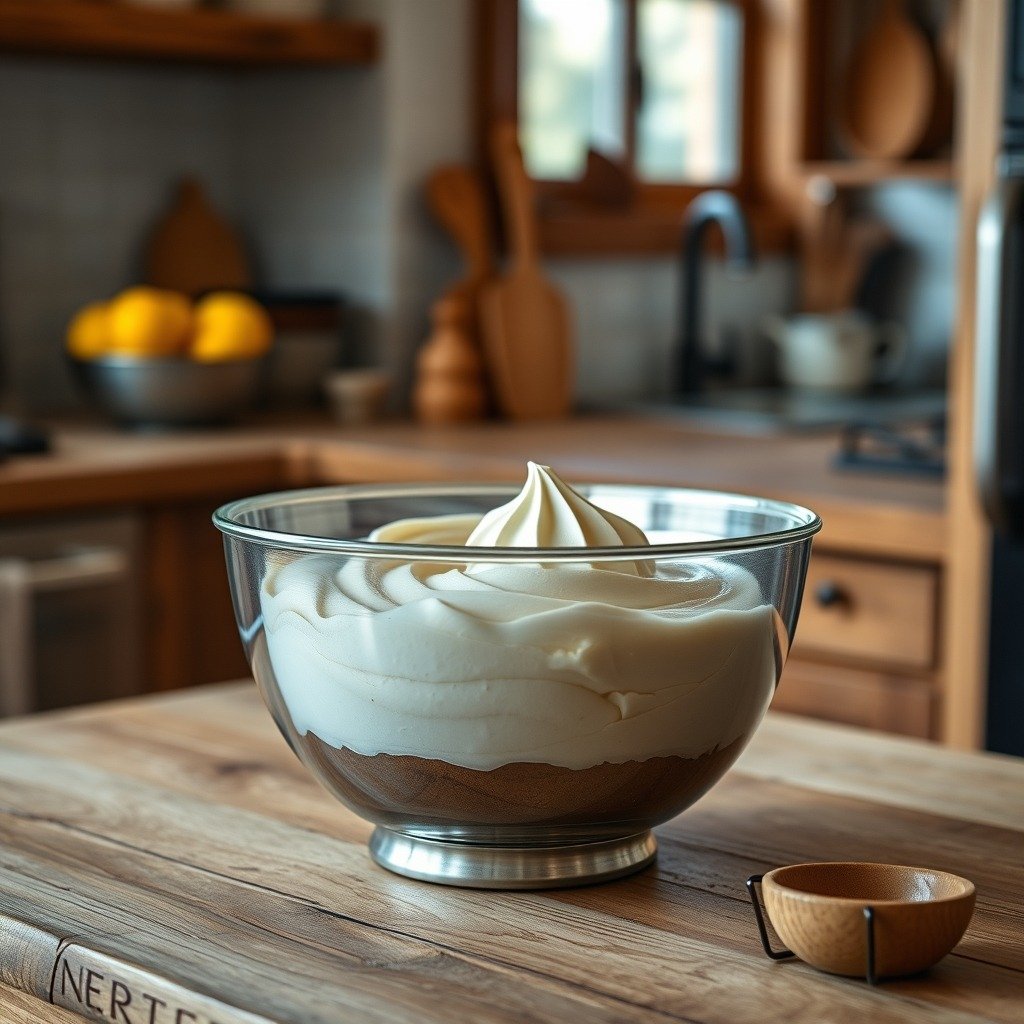
Every home baker and professional pastry chef faces the dreaded soupy frosting bowl. When your buttercream loses its body, piping clean borders and smooth cake finishes become nearly impossible. Preparing ahead gives you a distinct advantage, allowing you to salvage the batch hours or days before your event without rushing. Whether you are dealing with a classic American style, Swiss meringue, or Italian meringue variety, rescuing a loose frosting requires an understanding of how fat, sugar, and moisture interact under varying temperatures.
Before diving into advanced troubleshooting, ensure your workspace is cool. If you need alternative recipe inspiration while your kitchen cools down, check out this classic cookie recipe for a stress-free baking alternative.
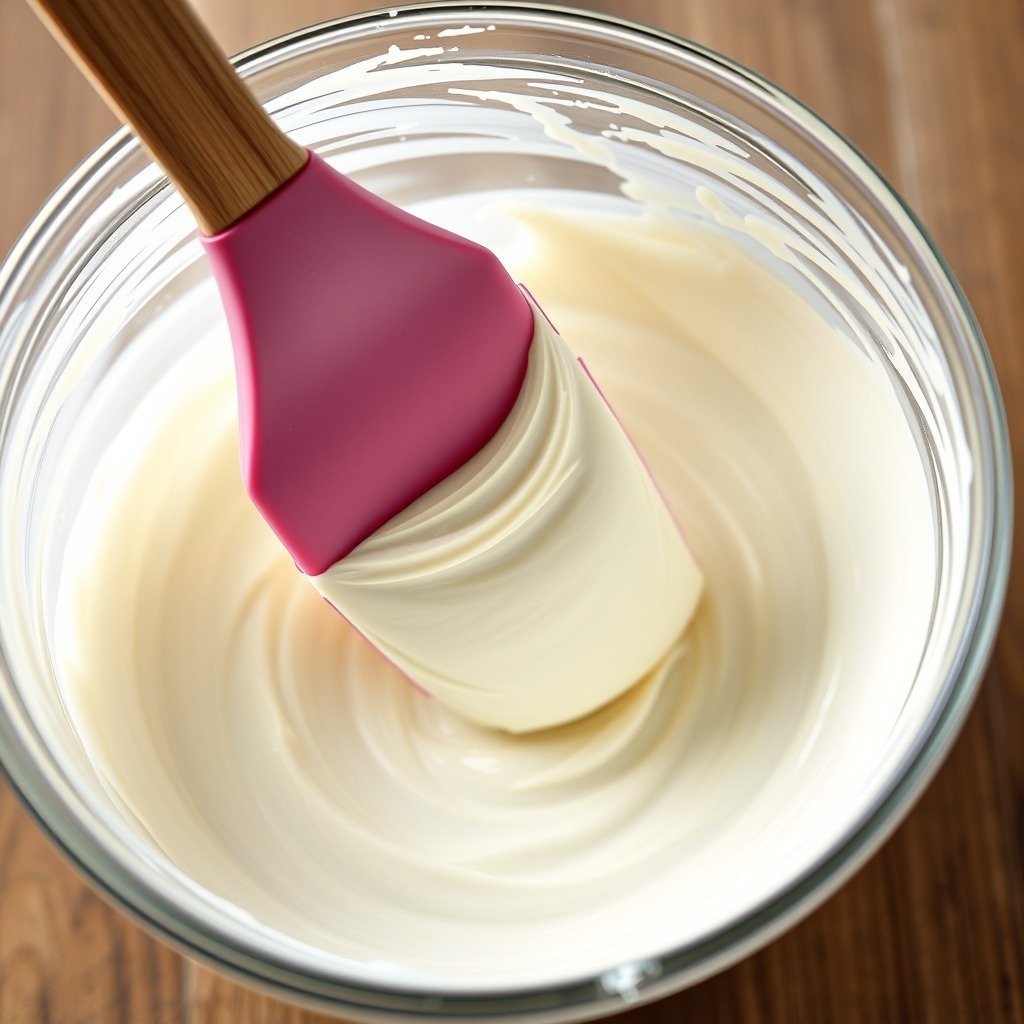
The Culinary Science of Runny Buttercream
Buttercream is fundamentally an emulsion—a delicate suspension of liquid fat, sugar syrup, and sometimes water or dairy. Butter melts at approximately 32°C to 35°C (90°F to 95°F). When your kitchen environment or mixing speed exceeds this threshold, the milk fats liquefy completely, causing the emulsion to break. Instead of trapping air cells to create a fluffy volume, the liquid fat separates from the sugar and water phase. You can also explore our how to fix runny buttercream without icing sugar: Easy 15-Minute Guide.
Temperature control dictates emulsion stability. If you add warm liquid flavorings or use butter that was microwaved rather than softened at room temperature, the crystalline lattice fails to form. Fixing this issue means rebuilding that crystalline network. For deeper insights into alternative stabilization techniques, read our guide on fixing runny buttercream without icing sugar.
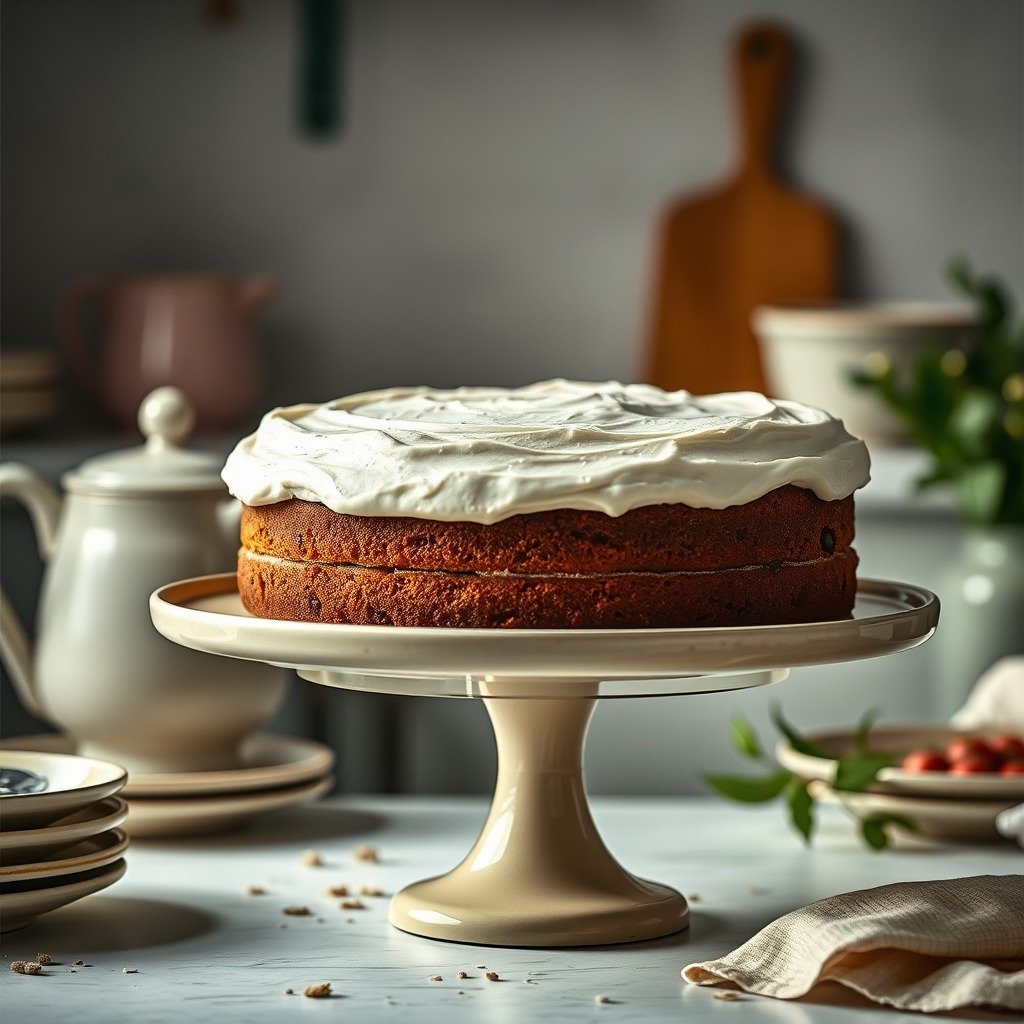
Buttercream Troubleshooting Science
| Issue | Scientific Cause | Quick Fix |
|---|---|---|
| Separated / Curdled | Temperature discrepancy between cold butter and hot sugar syrup. | Warm the base slightly with a warm towel while whipping. |
| Melting / Soupy | Ambient temperature exceeded the melting point of butter fats. | Refrigerate for 15 minutes, then re-whip. |
| Over-beaten / Greasy | Excess shear force broke the air-fat matrix, releasing trapped air. | Fold in a tablespoon of unwhipped cold butter or powdered sugar. |
5 Ways to Fix Runny Buttercream in Advance
When working ahead of schedule, you have several reliable pathways to correct a loose batch of frosting. Each method targets a different structural component of the emulsion.
1. The Chill and Re-Whip Method
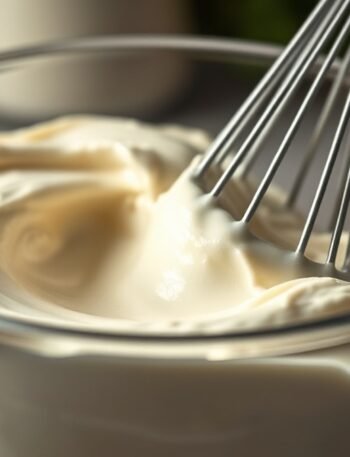
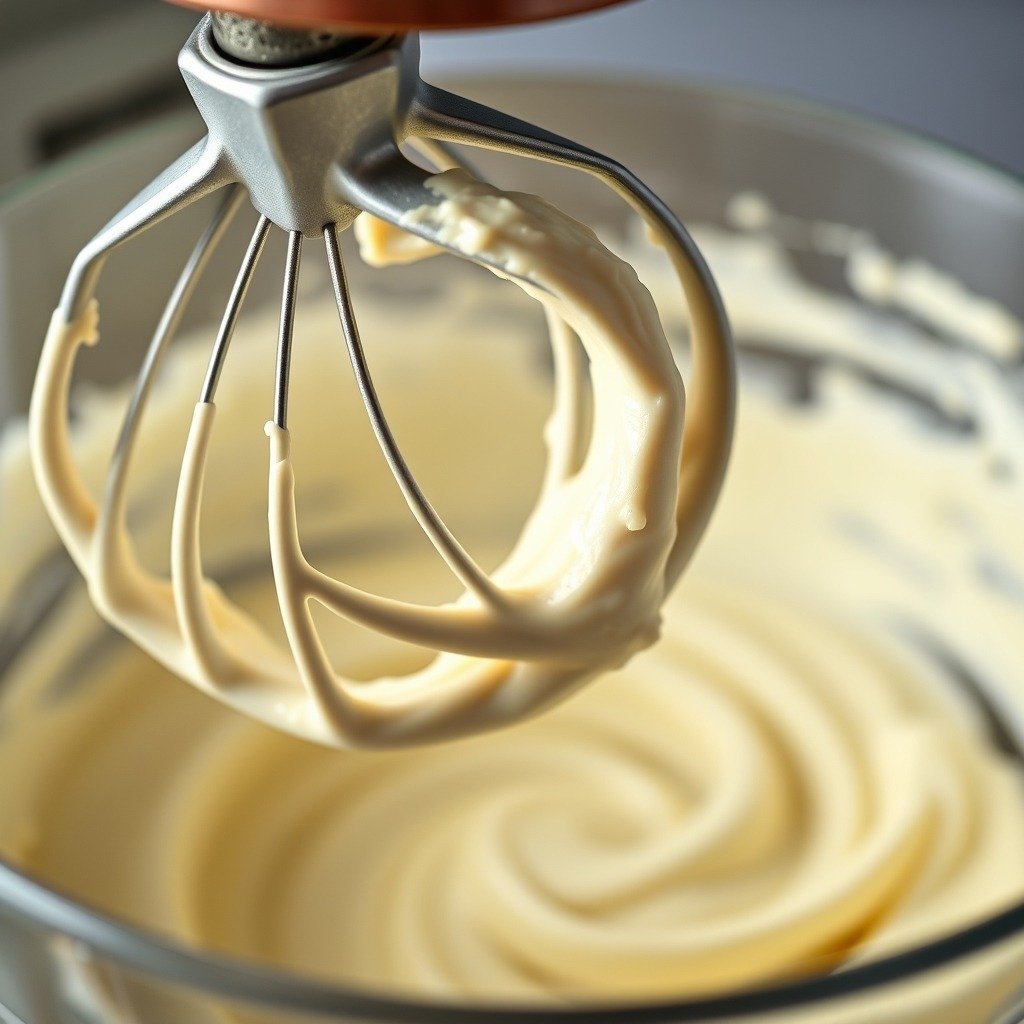
Place your mixing bowl in the refrigerator for 15 to 20 minutes. Check it frequently; you want the edges of the butter to firm up slightly without solidifying completely into a hard block. Once chilled, return the bowl to your stand mixer fitted with the paddle attachment. Beat on medium speed for 2 minutes. The paddle attachment generates shear force that rebuilds the air cells inside the newly firmed fat matrix.
2. The Thermal Shock Rescue (For Meringue Buttercreams)
If you are making Swiss or Italian meringue buttercream and the mixture turns into soup, the butter was likely too warm when added. Take about one-quarter of your runny frosting and microwave it for 5 to 10 seconds until just partially melted and soupy. Pour this warm portion back into the main mixing bowl while the mixer runs on medium speed. The sudden change in thermal energy helps re-emulsify the entire batch. You can also explore our How long does it take to make how to fix runny buttercream without icing sugar?: Easy 15-Minute Guide.
3. The Structural Reinforcement Addition
For American buttercream, adding dry components absorbs excess free moisture. Sift in powdered sugar one tablespoon at a time. If you want to avoid making the frosting overly sweet, substitute cornstarch or microcrystalline cellulose-based commercial stabilizers. For additional inspiration on adjusting textures, visit our recipe index.
4. Incorporating Melted White Chocolate
White chocolate contains cocoa butter, which hardens firmly at room temperature. Melt two to three ounces of high-quality white chocolate, let it cool until it is just lukewarm to the touch, and stream it slowly into your running mixer bowl. As the cocoa butter cools inside the frosting, it acts as an architectural binder that locks the runny butter into place.
5. Adding Extra Unwhipped Cold Butter
If your butter was over-softened or melted before mixing, incorporate a solid, cold cube of butter directly into the batch. Cut one tablespoon of cold butter into small dice and drop it into the mixing bowl while beating on low speed. The cold fat lowers the overall thermal energy of the bowl and introduces stable crystalline fat structures that draw the broken emulsion back together.
Preventative Kitchen Habits for Success
Controlling your kitchen environment saves time and prevents wasted ingredients. Always check that your butter reads between 18°C and 20°C (65°F to 68°F) before starting. If your kitchen runs warm, use a bowl placed over an ice bath during the initial whipping stages. Planning ahead ensures your structural components remain resilient, giving you smooth, flawless results for every cake or cupcake project on your baking calendar.
📖 You might also love these How recipes:
- → If you love this flavor, try our How long does it take to make how to fix runny buttercream without icing sugar?: Easy 15-Minute Guide
- → You can also explore our how to fix runny buttercream without icing sugar: Easy 15-Minute Guide
- → For another crowd-favorite, see our Secrets to Fixing Runny Buttercream Without Icing Sugar: 5 Proven Chef Solutions