🥗 Recipe Ingredients
- 2 cups fresh primary ingredient (prepared and washed)
- 2 tbsp extra virgin olive oil or toasted sesame oil
- 3 cloves fresh garlic, finely minced
- 1 tbsp acid component (lemon juice or vinegar)
- 1/2 tsp sea salt and freshly cracked black pepper to taste
- Fresh herbs for garnish (parsley, cilantro, or green onions)
Quick Answer
Yes, you can use cornstarch to rescue a broken dairy sauce by creating a starch slurry that physically suspends separated fat droplets and absorbs free moisture. While it does not reverse the physical chemistry of a broken emulsion on a molecular level, it provides an immediate structural matrix that binds the oil and water back together visually and texturally.
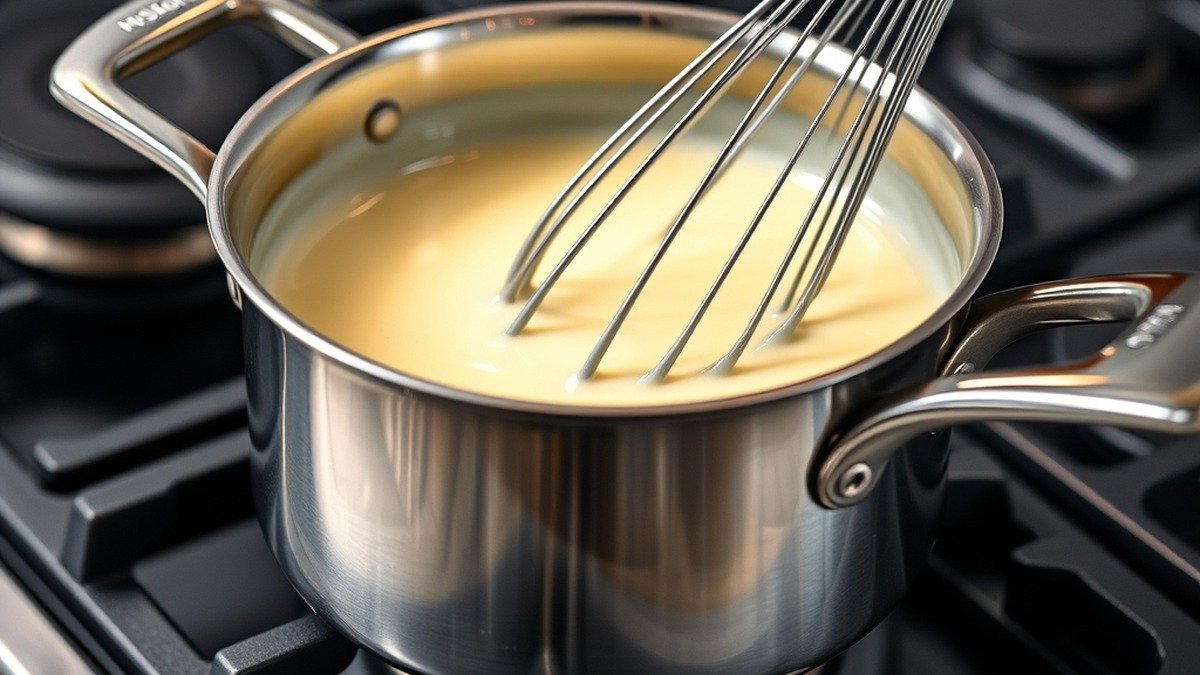
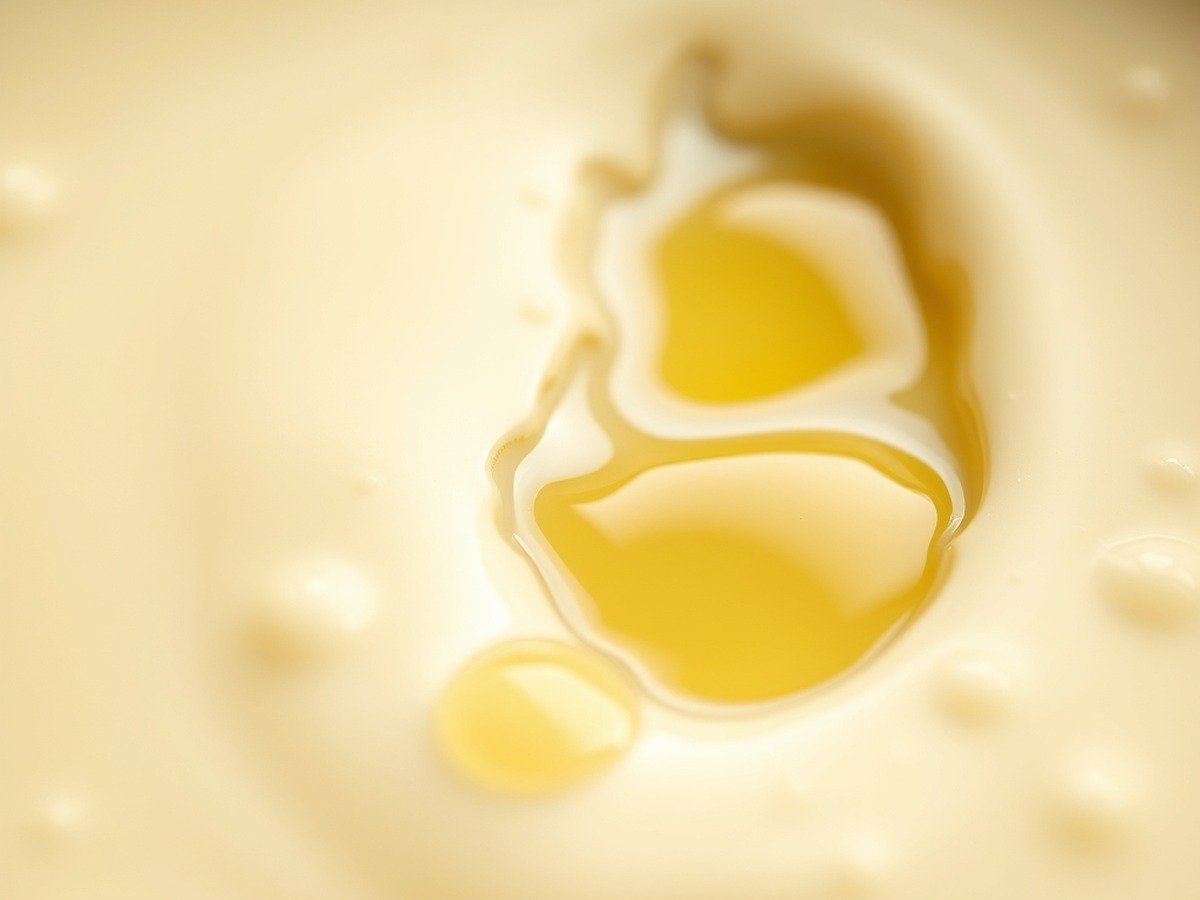
Understanding Broken Dairy Sauces
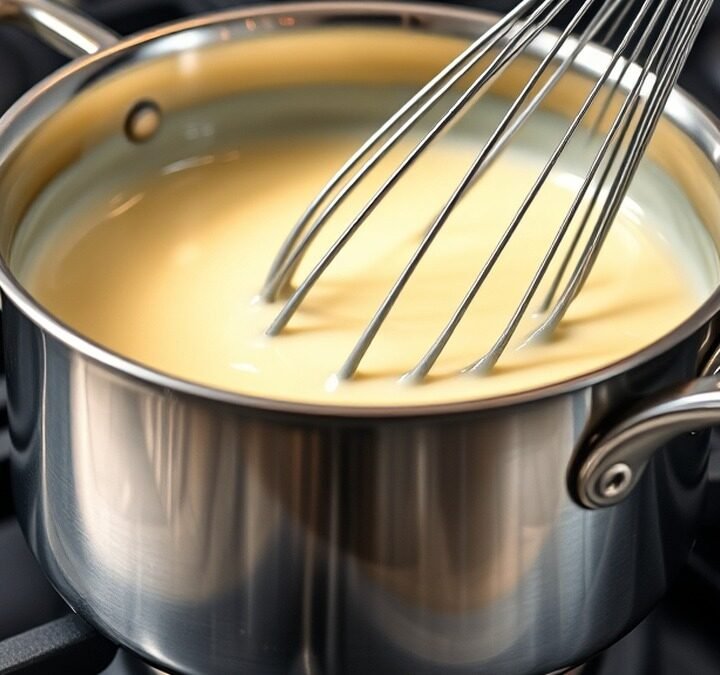
Dairy sauces like Alfredo, bechamel, cheddar cheese sauce, and heavy cream reductions rely on delicate culinary chemistry. At their core, these sauces are emulsions—a stable dispersion of fat droplets suspended in a liquid medium, held together by natural milk proteins (casein and whey) and emulsifiers. When a sauce breaks, these proteins contract, squeeze out trapped moisture, and allow the milk fat to coalesce into pools of grease, leaving behind a grainy, separated mess.
Many home cooks panic when this happens, often throwing away expensive ingredients. However, understanding the physical forces at play makes kitchen recovery entirely achievable. When your heavy cream sauce separates and turns oily, it is usually due to excessive heat, acidic ingredients added too quickly, or rapid boiling that denatures the protective protein coat surrounding the fat globules. If you love this flavor, try our how to fix broken heavy cream sauce: Easy 15-Minute Guide.
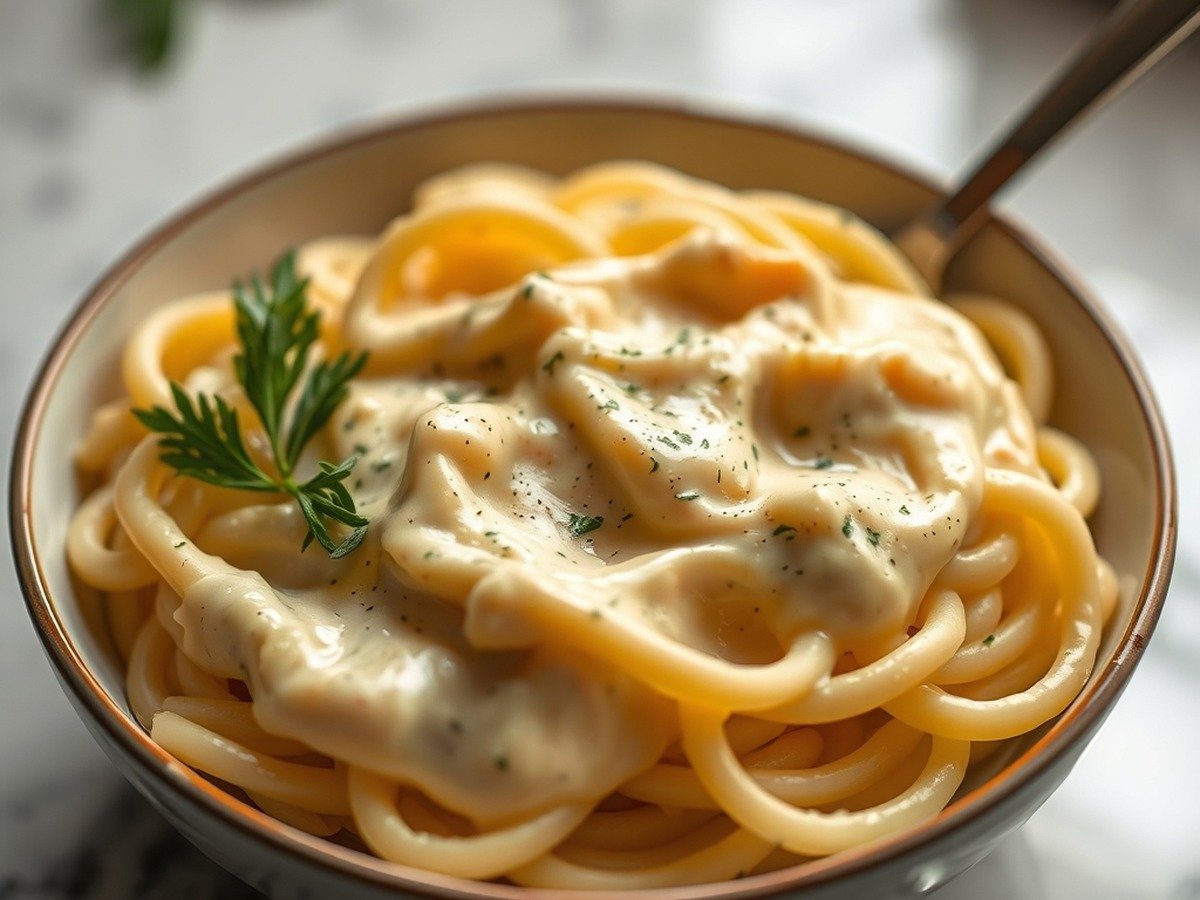
The Science of Cornstarch as a Stabilizer
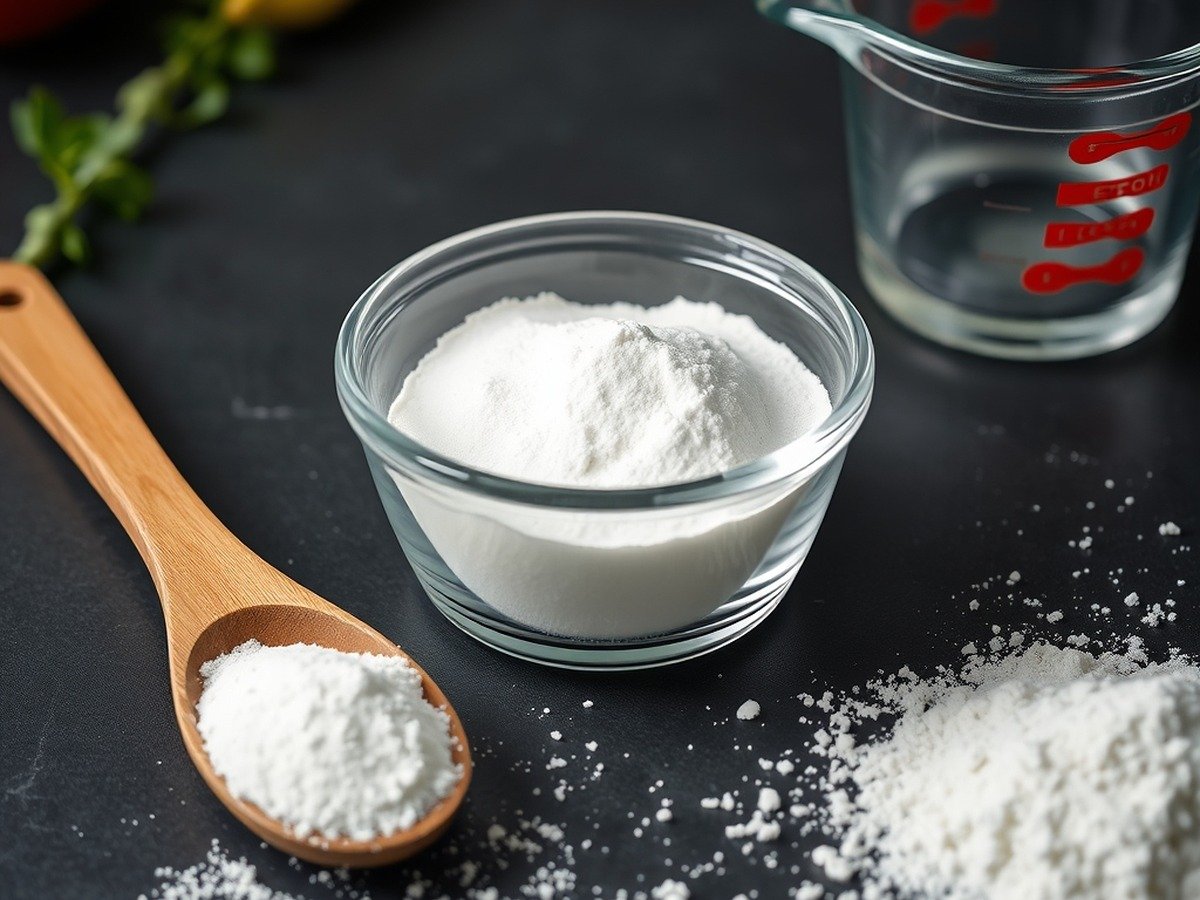
Cornstarch is a pure carbohydrate derived from the endosperm of the corn kernel. Composed of two molecules—amylose and amylopectin—it undergoes gelatinization when heated in the presence of liquid. As the starch granules absorb water and swell, they burst and form a three-dimensional net-like matrix.
This starch network acts as a physical barrier. Even though the native dairy proteins have failed to hold the emulsion together, the gelatinized starch physically traps the separated fat droplets and water molecules within its web. This prevents the oil from pooling on the surface and eliminates the gritty texture associated with a broken sauce. If you have ever wondered why some commercial gravies and cheese sauces remain stable under harsh holding conditions, modified or natural starches are usually the hidden culprits.
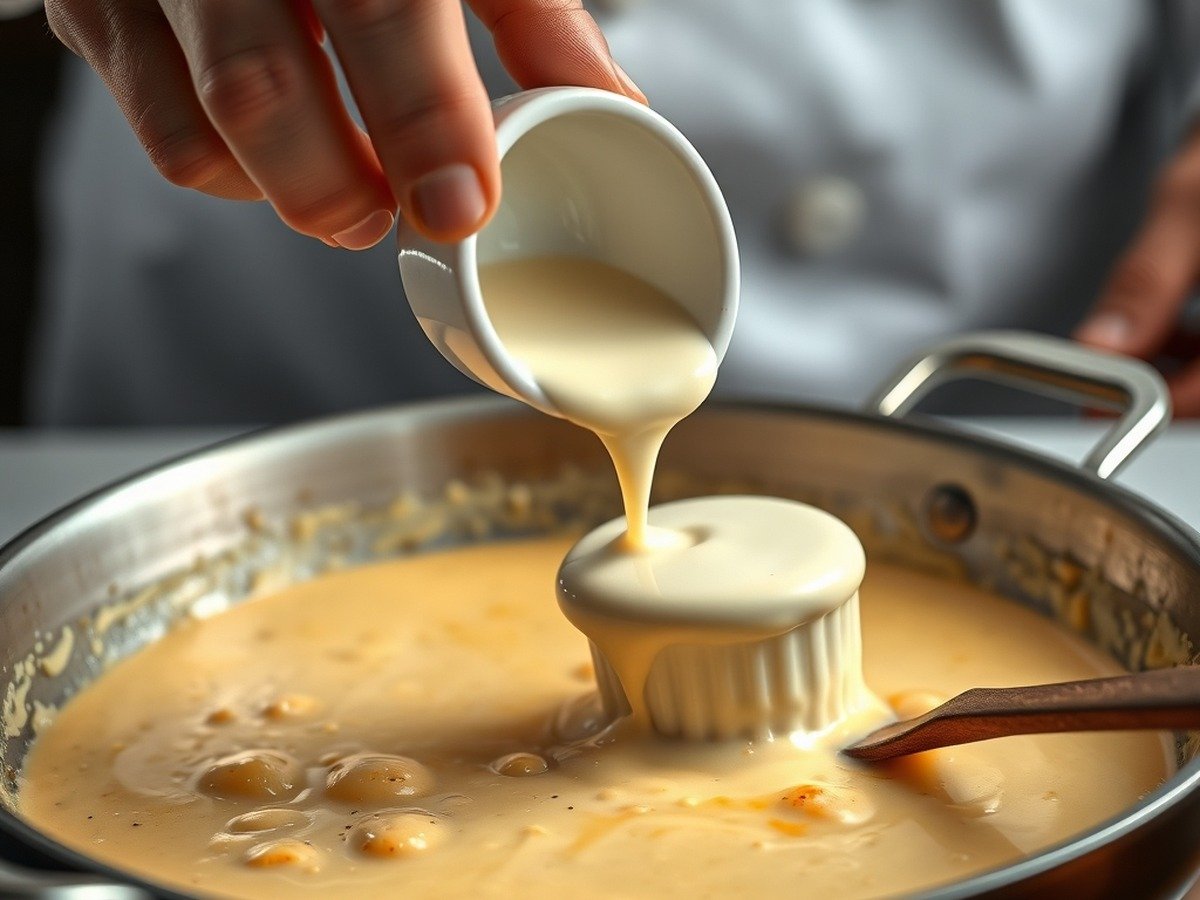
How to Use Cornstarch to Fix a Broken Sauce
Dumping dry cornstarch directly into a hot, broken dairy sauce will cause instant, stubborn lumps. Because starch molecules rapidly hydrate on their exterior while keeping their dry centers intact, you must disperse the powder first. Complement this dish with our Can you save a curdled Alfredo sauce with pasta water?: 5 Proven Chef Secrets.
1. Make a Slurry: Mix one tablespoon of cornstarch with two tablespoons of cold water, milk, or leftover pasta water until completely smooth.
2. Reduce Heat: Lower your burner to a gentle simmer. High heat will over-gelatinize the starch and destroy any remaining delicate dairy proteins.
3. Whisk Vigorously: Pour the slurry in a slow, steady stream into the broken sauce while whisking constantly.
4. Simmer and Activate: Cook the mixture for one to two minutes. You will notice the sauce transforming from greasy and separated to smooth, glossy, and cohesive as the starch cooks out its raw flavor.
If you encounter related texture issues, you might want to read our guide on how to fix a cream sauce that is too thick or grainy for additional kitchen rescue methods.
Troubleshooting Table
| Issue | Scientific Cause | Quick Fix |
|---|---|---|
| Greasy oil slick on top of cream sauce | High heat denatured milk proteins, releasing trapped butterfat. | Whisk in a cold cornstarch slurry over low heat to trap the fat. |
| Grainy, curdled cheese sauce texture | Excessive heat caused casein proteins to tighten and squeeze out water. | Blend with a splash of starchy water or use a cornstarch slurry. |
| Sauce turned into a solid, gluey paste | Too much starch added or cooked at a rolling boil too long. | Thin out gradually with warm milk or heavy cream while whisking. |
Alternative Fixes for Dairy Sauces
While cornstarch is a dependable physical rescuer, culinary history offers several other reliable techniques to save compromised dairy sauces. Depending on what you have in your pantry, you can utilize alternative rescue vectors.
Pasta water is a secret weapon for cheese and cream sauces. The released starches from boiling pasta act similarly to a cornstarch slurry. Learn more about this technique in our tutorial on saving a curdled alfredo sauce with pasta water. Additionally, whisking in a small pat of ice-cold butter at the very end can shock the emulsion back into place by lowering the overall temperature and introducing fresh milk solids to re-bind the fat and water.
For structured instructions on dairy recovery, consult our step-by-step tutorial on how to fix broken heavy cream sauce. By combining temperature control, mechanical agitation, and strategic starch stabilization, you can rescue almost any dairy sauce in your kitchen.
👩🍳 Step-by-Step Instructions
- Step 1: Prepare all fresh ingredients by washing, trimming, and measuring precisely.
- Step 2: Combine core ingredients in a large mixing bowl according to prep directions.
- Step 3: Whisk dressing or seasoning ingredients separately until fully emulsified.
- Step 4: Toss ingredients gently with dressing until thoroughly coated.
- Step 5: Garnish with fresh herbs and serve immediately for maximum flavor.
📖 You might also love these Can recipes:
- → For a similar technique, check out our Can you save a curdled Alfredo sauce with pasta water?: 5 Proven Chef Secrets
- → This pairs perfectly with our how to fix broken heavy cream sauce: Easy 15-Minute Guide
- → A great companion recipe is our Can you cook rice paper dumplings in an air fryer?: Easy 15-Minute Recipe
🌍 Discover More From Our Network
🌍 Easy homemade recipes and cooking tutorials — Discover more delicious home cooking recipes and step-by-step guides.
🌍 Luxury moroccan culinary events and private chef experiences — Planning a Moroccan feast or food-themed celebration? Explore luxury event planning.