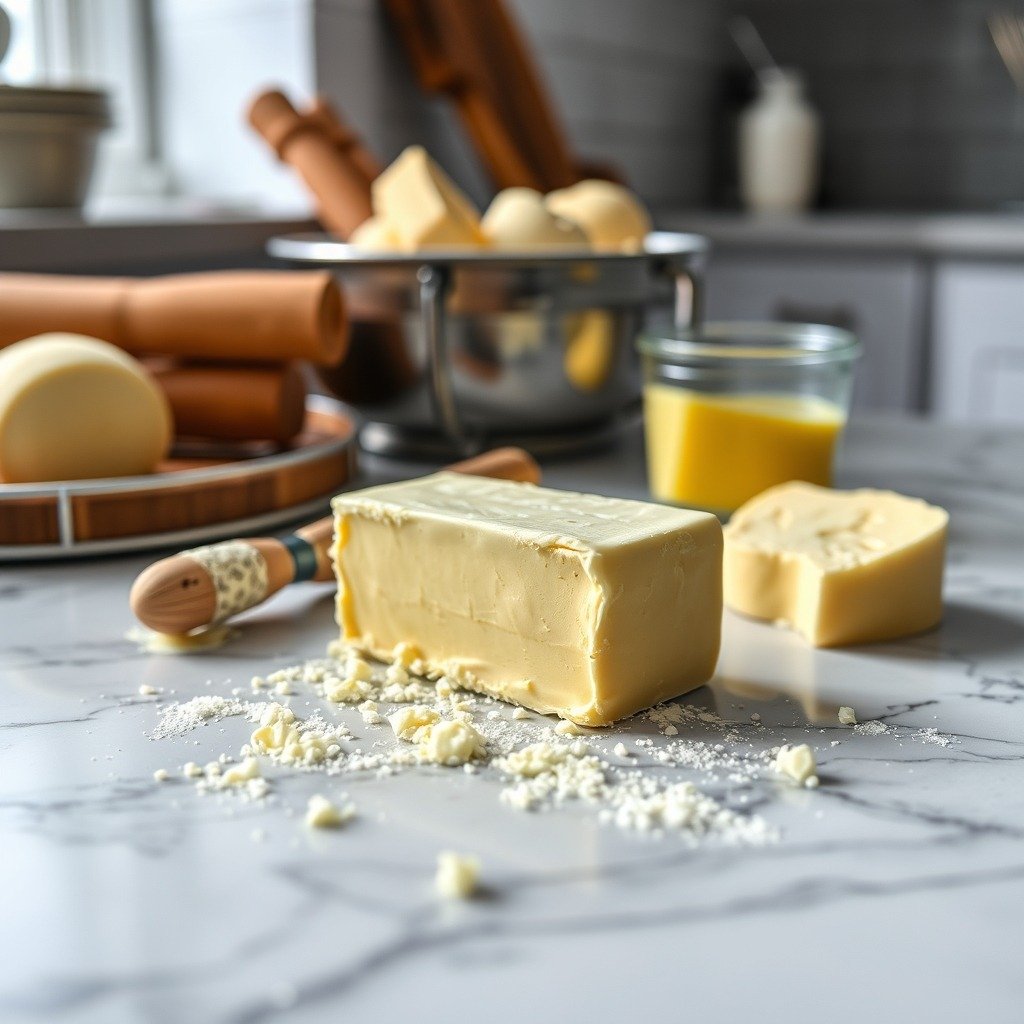
Table of Contents
- Quick Answer
- The Culinary Science of Broken Emulsions
- Method 1: Temperature Control and Chilling
- Method 2: Introducing Alternative Starches
- Method 3: Emulsion Stabilization with Melted White Chocolate
- Method 4: Incorporating Extra Solid Fat
- Method 5: The Power of Milk Powder
- Troubleshooting Reference Table
Quick Answer
Secrets to fixing runny buttercream without icing sugar rely on stabilizing the fat emulsion, adjusting temperature, or introducing alternative starches and solids. You can easily rescue a soupy frosting by chilling the mixture to re-solidify the butterfat, folding in melted and cooled white chocolate, or adding dry milk powder to absorb excess moisture without making the dessert overly sweet.
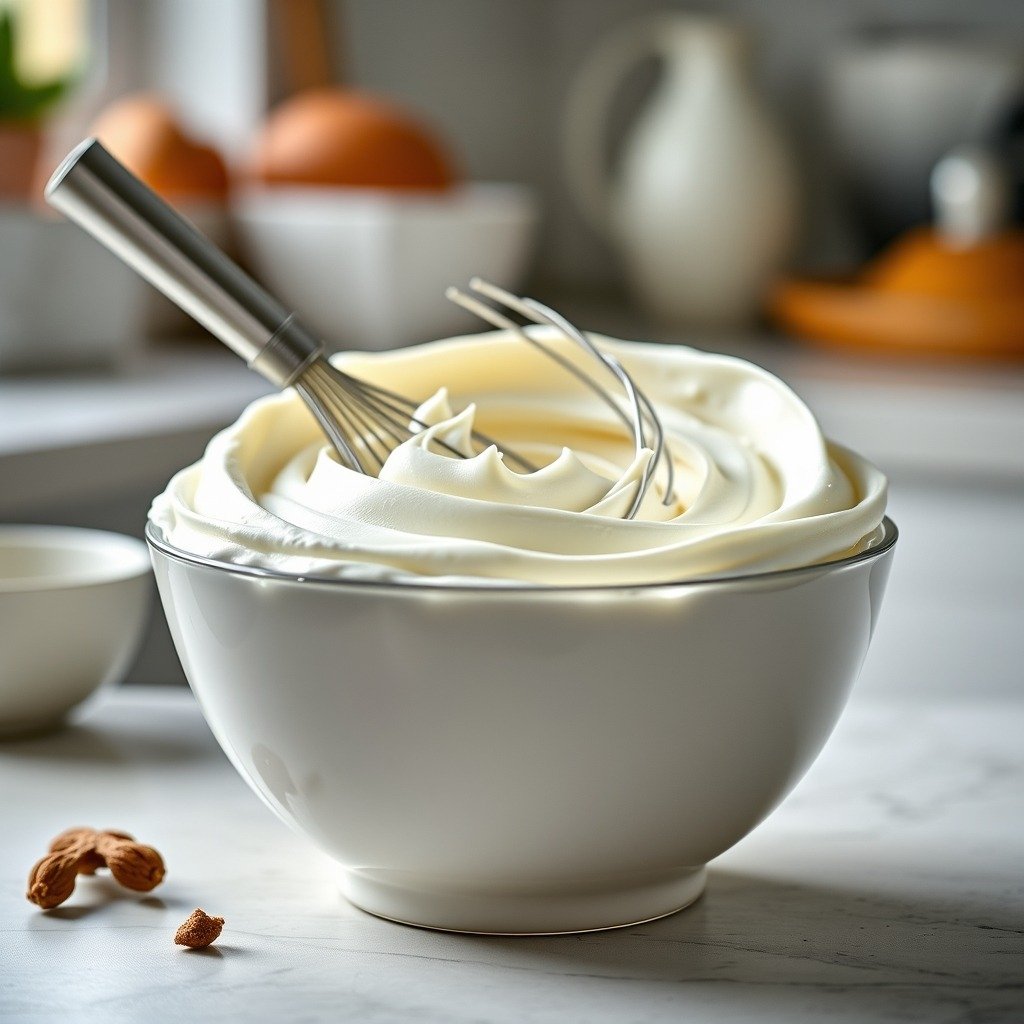
Every home baker dreads the moment a gorgeous bowl of frosting turns into a glossy, soup-like puddle. Traditional recipes demand pounds of powdered sugar to save the day, but that often leads to a tooth-achingly sweet topping that masks the subtle flavors of your cake. Fortunately, professional pastry chefs rely on kitchen science rather than brute-force sugar to rescue a broken frosting.
Whether you are preparing a classic batch for grandma rickes cookie recipe or piping delicate borders, understanding the underlying chemistry of butter and sugar will give you total control in the kitchen. If you need a comprehensive foundational guide, check out how to fix runny buttercream without icing sugar for foundational troubleshooting techniques.
The Culinary Science of Broken Emulsions
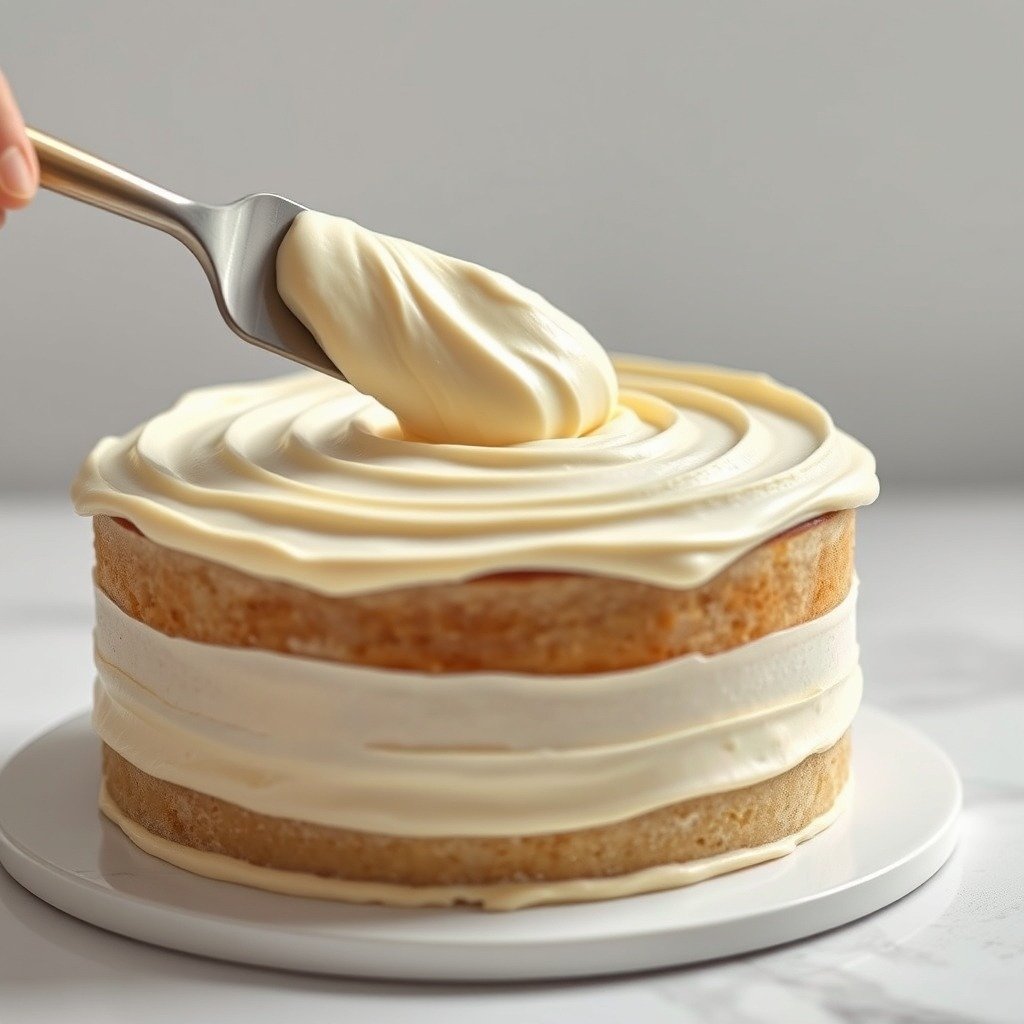
To fix a runny frosting, you must understand why it failed. Buttercream is fundamentally an emulsion: a delicate suspension of water droplets and air cells trapped inside a continuous matrix of fat. Butter naturally contains about 15 to 20 percent water. When you whip butter with liquids, liquid flavorings, or egg whites, the emulsion can easily break if the temperature rises above 75 degrees Fahrenheit (24 degrees Celsius). If you love this flavor, try our how to fix runny buttercream without icing sugar: Easy 15-Minute Guide.
When the temperature climbs, the solid fat crystals melt into liquid oil. Without a solid fat lattice to trap the air and water, the mixture separates into a greasy, runny mess. Adding more powdered sugar works temporarily because the dry sugar absorbs the free water, but it alters the structural integrity of your recipe. For advanced scaling instructions, read how long does it take to make how to fix runny buttercream without icing sugar to master your timing.
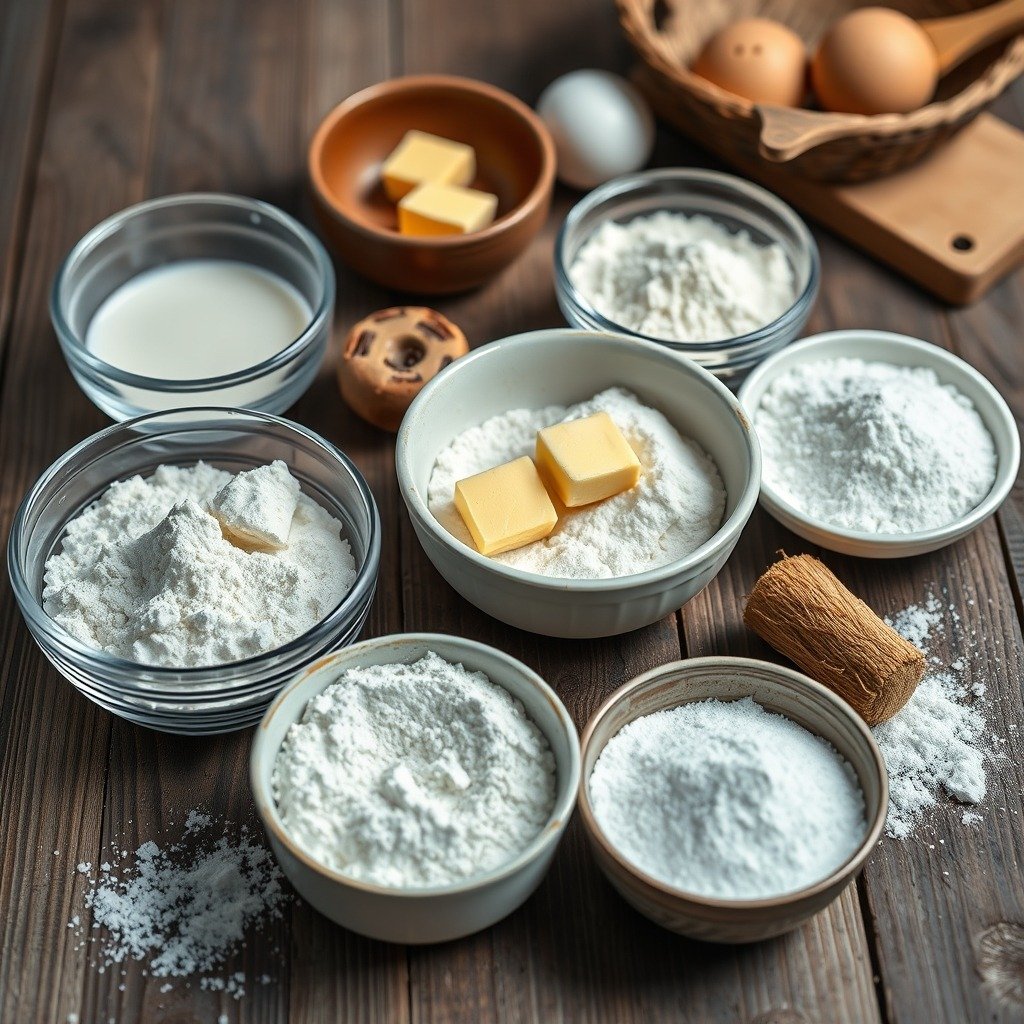
Method 1: Temperature Control and Chilling
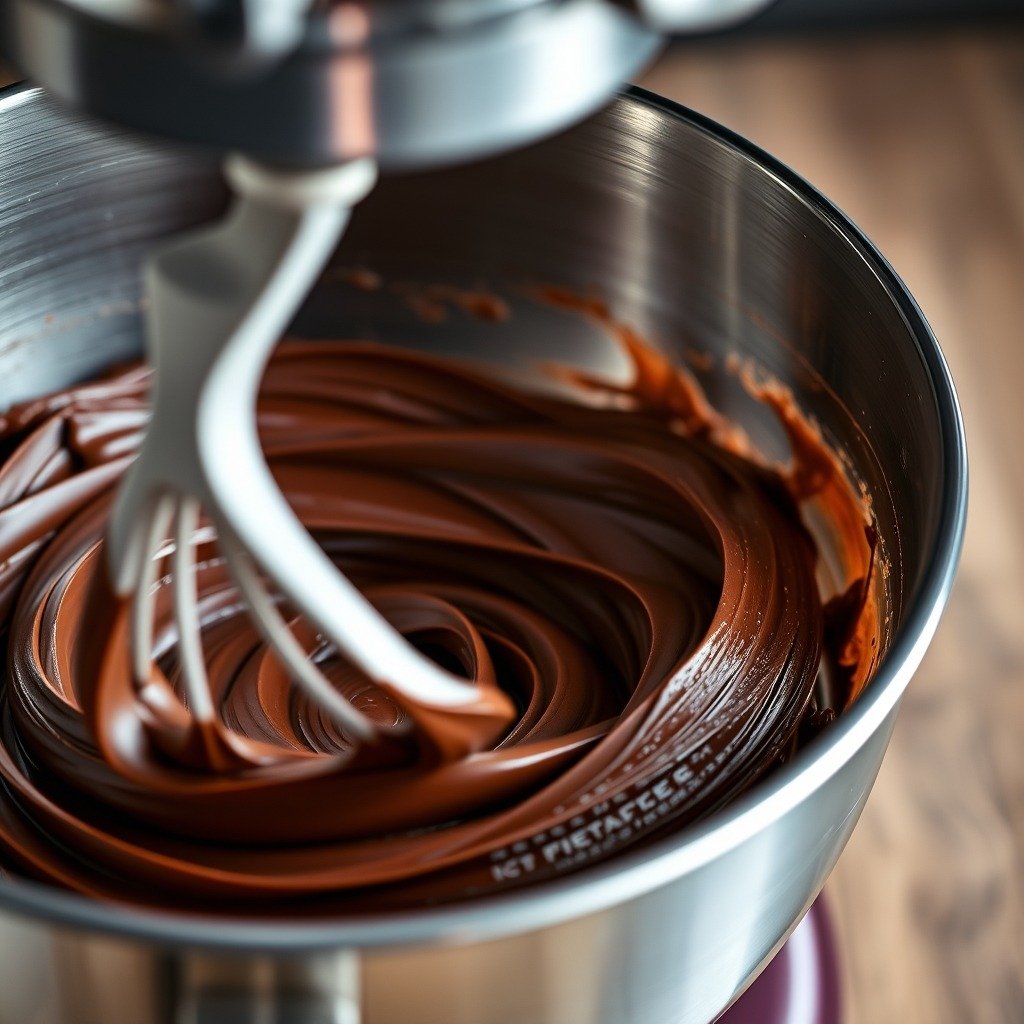
The simplest fix requires zero additional ingredients. If your butter melted slightly during the whipping process due to friction or ambient kitchen heat, the structure is simply too warm. Place the entire mixing bowl into the refrigerator for 10 to 15 minutes. Watch the bowl closely so the edges do not harden completely solid.
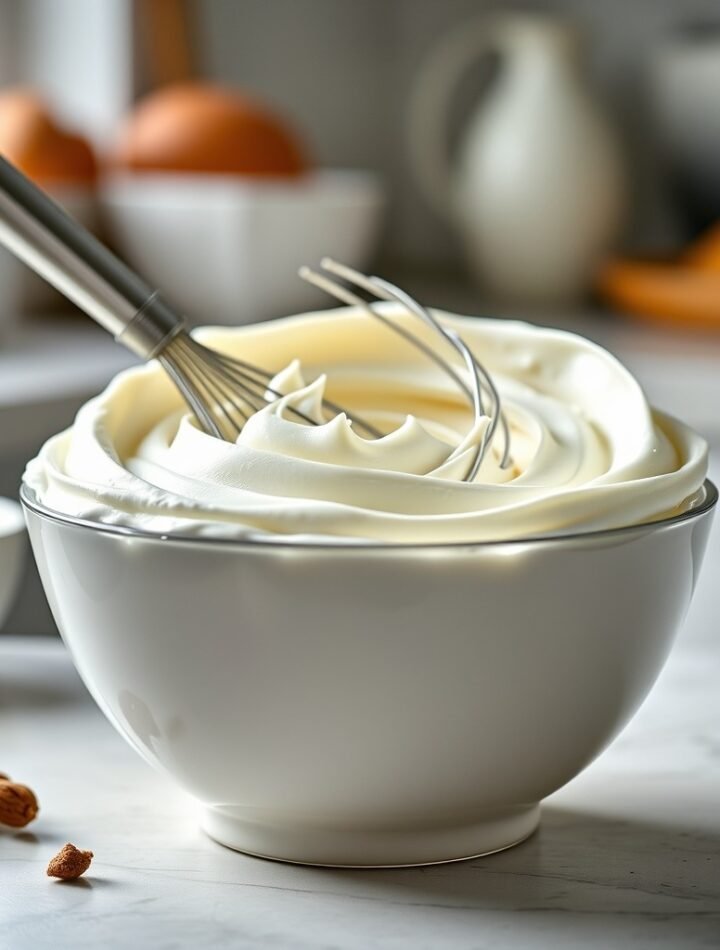
Once chilled, return the bowl to your stand mixer fitted with the paddle attachment. Whip the mixture on medium-high speed for two minutes. As the temperature drops, the butterfat crystals reform around the trapped air bubbles, instantly restoring a fluffy, pipeable consistency.
Method 2: Introducing Alternative Starches
If your buttercream contains too much liquid extract or fruit puree, chilling alone may not be enough. Instead of reaching for sugary icing sugar, use finely milled starches. Cornstarch, arrowroot powder, or tapioca starch can absorb up to twice their weight in liquid without adding cloying sweetness. For another crowd-favorite, see our How long does it take to make how to fix runny buttercream without icing sugar?: Easy 15-Minute Guide.
Sift one tablespoon of cornstarch directly into the runny frosting and mix on low speed. The starch granules swell as they bind with free water molecules, tightening the emulsion. For savory applications or neutral flavor profiles, you can also explore techniques similar to those used when learning why do you smash cucumbers in a salad easy 15 minute guide where cellular structures are mechanically ruptured to release or bind moisture effectively.
Method 3: Emulsion Stabilization with Melted White Chocolate
Pastry chefs love utilizing cocoa butter as a secret weapon. White chocolate contains a high percentage of cocoa butter and milk solids, which act as structural anchors when cooled.
Melt four ounces of high-quality white chocolate completely, then let it cool until it is just lukewarm to the touch so it does not melt your butter. Stream the chocolate slowly into your running mixer while beating the runny frosting. As the cocoa butter cools, it sets into a firm, stable matrix that locks in all stray moisture.
Method 4: Incorporating Extra Solid Fat
Sometimes a runny texture stems from an incorrect ratio of fat to liquid. If you added too much milk, cream, or simple syrup, you need to rebalance the fat percentage. Whip an additional half-cup of unsalted butter until it is pale and fluffy, then gradually beat the runny buttercream into the new butter a few spoonfuls at a time.
Method 5: The Power of Milk Powder
Non-fat dry milk powder is an absolute game-changer for bakers. Because it has been dehydrated, it acts as a powerful moisture sponge. Adding two to three tablespoons of milk powder thickens your frosting while boosting its creamy, milky flavor profile without making it gritty or overly sweet.
Troubleshooting Reference Table
| Issue | Scientific Cause | Quick Fix |
|---|---|---|
| Soupy and Greasy | Butterfat melted past the critical crystallization point (above 75°F). | Chill bowl for 15 minutes, then re-whip. |
| Curdled Appearance | Temperature shock between cold dairy and warm butter. | Warm the outside of the bowl slightly with a warm towel and beat. |
| Too Much Liquid Added | Water phase exceeds fat emulsion capacity. | Fold in 1-2 tbsp of milk powder or cornstarch. |
By applying these scientific principles, you can rescue any batch of frosting without ruining your flavor balance or reaching for excess sugar.
👩🍳 Step-by-Step Instructions
- Step 1: Prepare all fresh ingredients by washing, trimming, and measuring precisely.
- Step 2: Combine core ingredients in a large mixing bowl according to prep directions.
- Step 3: Whisk dressing or seasoning ingredients separately until fully emulsified.
- Step 4: Toss ingredients gently with dressing until thoroughly coated.
- Step 5: Garnish with fresh herbs and serve immediately for maximum flavor.
📖 You might also love these Secrets recipes:
- → This pairs perfectly with our How long does it take to make how to fix runny buttercream without icing sugar?: Easy 15-Minute Guide
- → For another crowd-favorite, see our how to fix runny buttercream without icing sugar: Easy 15-Minute Guide
- → A great companion recipe is our Why do you smash cucumbers in a salad? 5 Secrets to Better Flavor