Table of Contents
Quick Answer
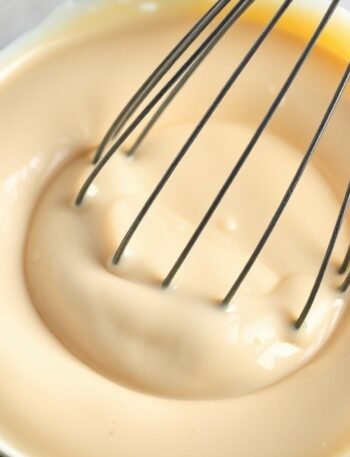
How do you fix watery cheesecake batter before baking? You can successfully thicken runny cheesecake batter by gently whisking in a tablespoon of cornstarch, folding in extra softened cream cheese, or incorporating a small amount of all-purpose flour. Choosing the right thickener depends on your dietary preferences, but adding binding agents helps trap free moisture before the batter hits the oven.
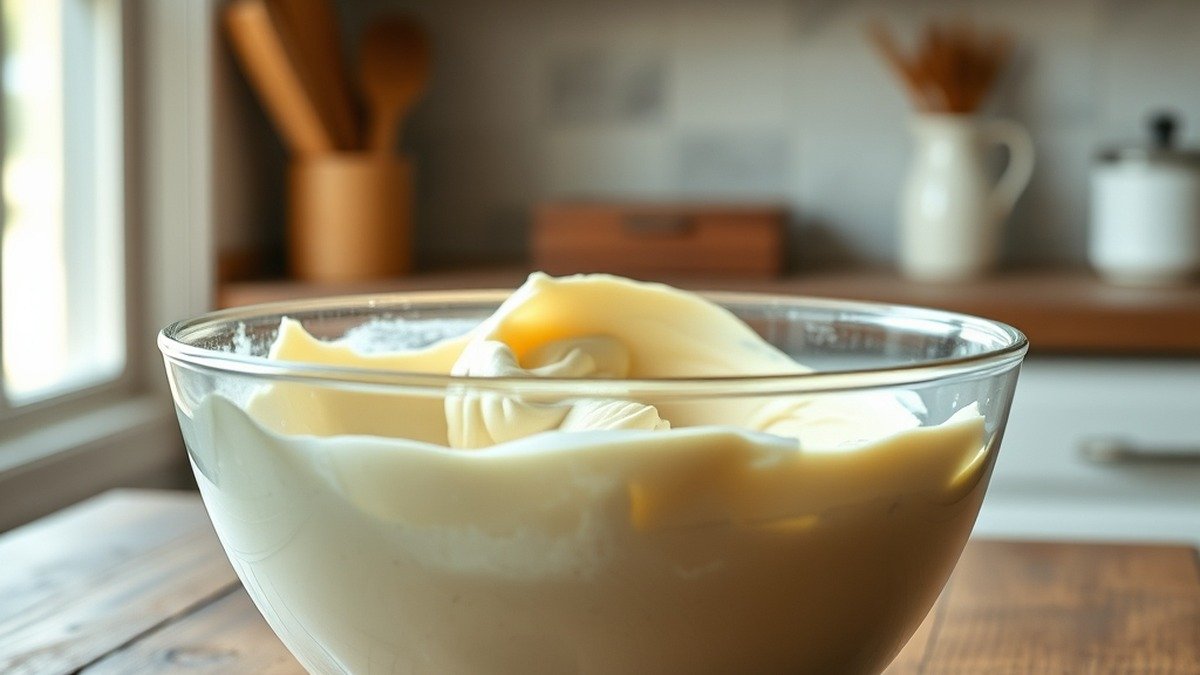
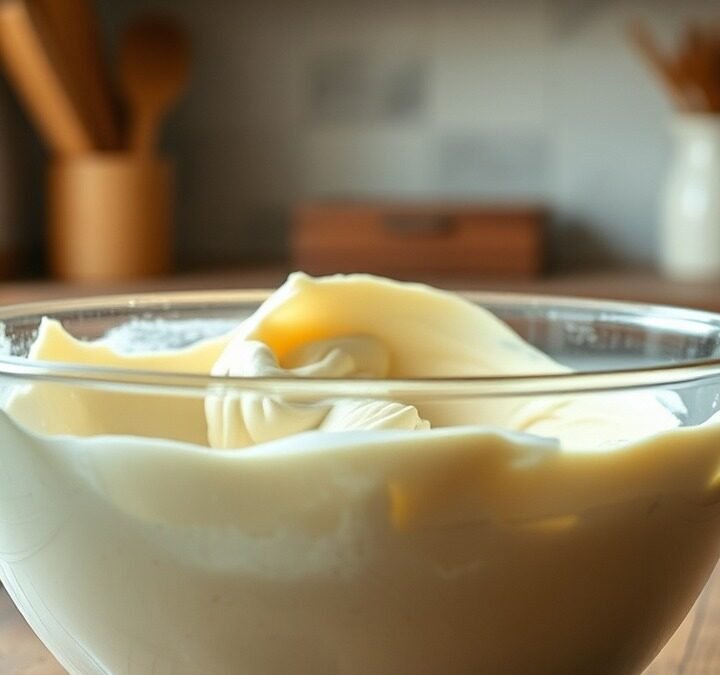
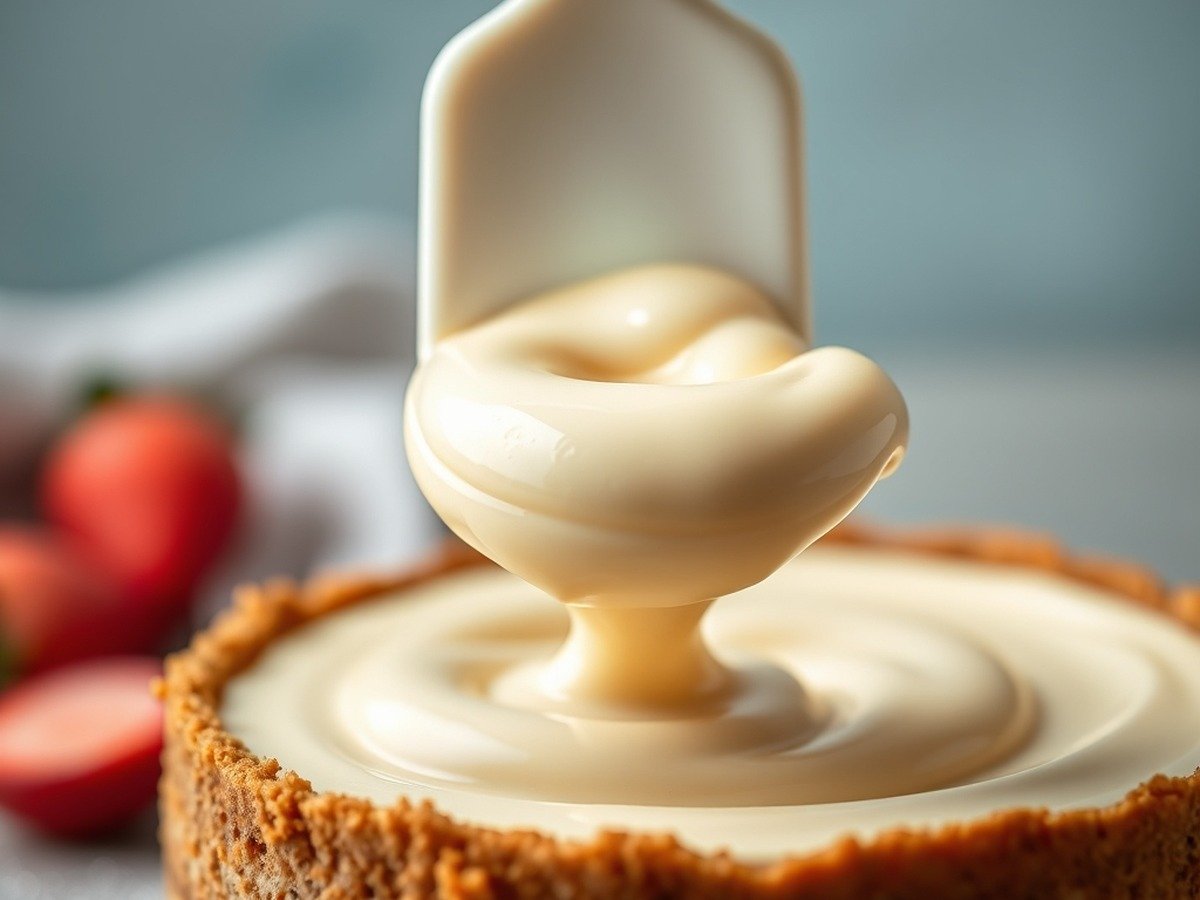
Opening your mixer bowl to find a runny, soup-like consistency instead of a thick, velvety batter is a frustrating baking experience. Cheesecake relies heavily on a delicate emulsion of dairy fats, proteins, and liquids. When the balance is disturbed—often by over-mixed ingredients, unsoftened cheese, or too many liquid flavorings—the batter fails to hold its structure.
Before you panic and toss the ingredients out, understand that raw cheesecake batter is remarkably forgiving. Because it has not yet gone through thermal coagulation in the oven, you have a window of opportunity to adjust the chemical composition and moisture levels. Let us examine the underlying kitchen science and explore actionable strategies to salvage your dessert.
Understanding the Science of Cheesecake Batter
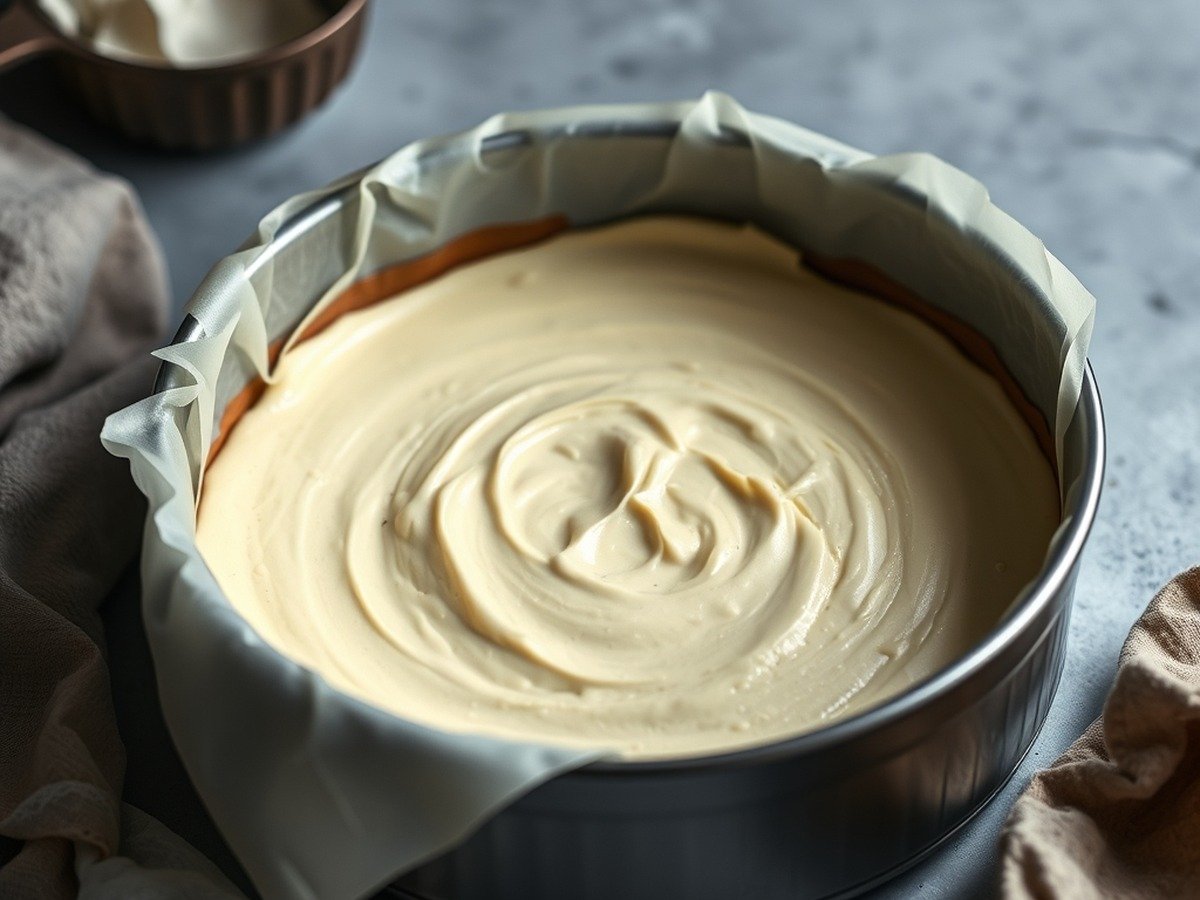
To fix a culinary problem, you must first understand the physics and chemistry behind it. A standard cheesecake batter is an emulsion: a suspension of fat droplets distributed throughout a water-based liquid phase, stabilized primarily by milk proteins (casein and whey) and egg proteins (albumin). You can also explore our how to fix runny cheesecake filling: Easy 5-Step Guide.
When you whip cream cheese, sugar, and eggs together, you trap air while creating a dense matrix. If too much liquid—such as excessive heavy cream, sour cream, or liquid extract—is introduced too quickly, the water phase overwhelms the protein network. This breaks the emulsion. Similarly, if your cream cheese was too warm or of a low-fat variety containing high water content, the batter loses its structural integrity. Understanding why cream cheese gets runny when mixed can help you prevent structural failures entirely. When this happens, free water separates from the fat, resulting in a watery pool.
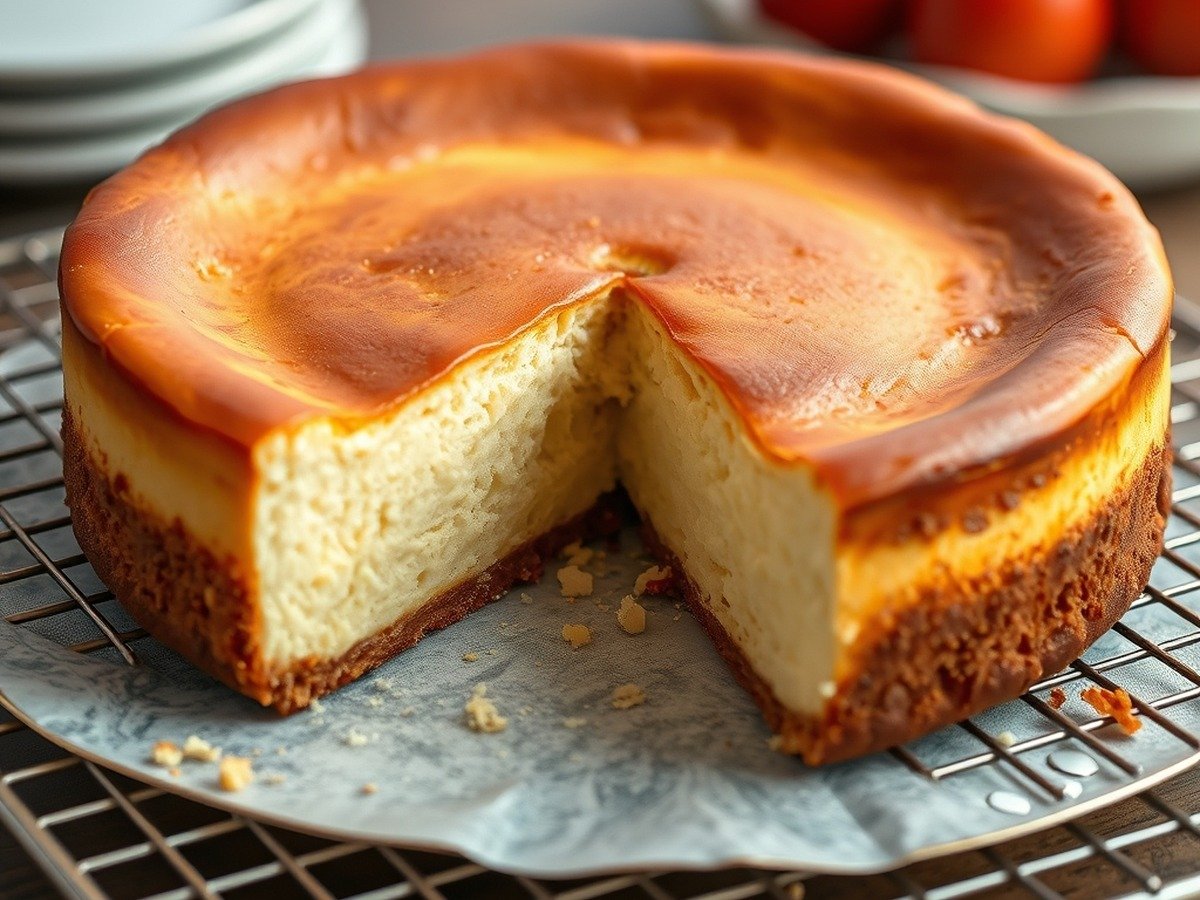
Thermal processing (baking) will eventually evaporate some moisture, but an excessively watery batter will bake unevenly, crack severely on top, or turn out soggy and custard-like in the center instead of dense and creamy. Therefore, intervening before baking is essential.
5 Proven Ways to Fix Watery Cheesecake Batter
Here are five kitchen-tested methods to restore thickness and viscosity to your cheesecake batter prior to baking.
1. The Cornstarch Thickener Method
Cornstarch is a powerhouse polysaccharide. When heated, its starch molecules absorb free water and swell, a process known as gelatinization. Whisking one to two tablespoons of cornstarch into your watery batter creates a safety net. As the cheesecake bakes, the starch locks up surplus moisture, ensuring a firm slice. If you are familiar with how to use starches in other culinary applications, such as when you use cornstarch to thicken cream cheese frosting, the same thickening principles apply here. For a similar technique, check out our How do you fix a cream sauce that is too thick or grainy?: 5 Proven Chef Secrets.
2. Incorporating Additional Softened Cream Cheese
If the fluid imbalance is severe, add more mass. Soften an additional block of full-fat brick cream cheese to room temperature (around 68°F to 72°F) and beat it into the runny batter a few tablespoons at a time. The extra milk solids and dairy fats will absorb the stray liquid and re-establish a stable emulsion.
3. The Egg Yolk Addition
Eggs provide both structure and emulsification through lecithin found in the yolks. If your batter is thin because you omitted or under-measured eggs, whisking in one extra egg yolk provides concentrated protein and natural emulsifiers. The yolk binds water and fat together, tightening the overall consistency without making the batter overly spongy.
4. Gentle Reduction or Chilling
Sometimes, batter becomes warm and fluid because the mixing process generated friction heat, melting the milk fats. Pour the batter into a shallow container and chill it in the refrigerator for 30 to 45 minutes. Lowering the temperature solidifies the dairy fats, naturally increasing viscosity before it goes into the springform pan. For similar texture adjustments in other recipes, you can review how to fix a cream sauce that is too thick or grainy to understand how temperature controls dairy behavior.
5. Adding All-Purpose Flour or Almond Flour
For a rustic approach, a small quantity of all-purpose flour (or a gluten-free alternative like almond flour) introduces gluten strands or dense starches that absorb excess liquid. Sift the flour slowly to prevent lumps, whisking continuously until smooth.
Troubleshooting Reference Table
| Issue | Scientific Cause | Quick Fix |
|---|---|---|
| Watery batter from too much liquid dairy | Broken emulsion; water phase exceeds protein and fat capacity. | Whisk in 1-2 tbsp of cornstarch or sifted flour. |
| Runny consistency due to warm ingredients | Melted milk fats losing structural viscosity. | Chill batter for 45 minutes in the fridge to resolidify fats. |
| Low-fat cream cheese weeping moisture | High water-to-fat ratio in low-fat dairy products. | Fold in extra full-fat brick cream cheese or an extra egg yolk. |
| Grainy and separated batter | Curdling caused by temperature shock or over-whipping. | Blend in 1 tbsp of heavy cream and let rest, similar to techniques used when you fix a broken heavy cream sauce. |
Preventative Tips for Future Bakes
Prevention is always superior to a mid-recipe rescue mission. To ensure your cheesecake batter stays velvety and thick every single time, follow these golden rules:
- Use Room Temperature Ingredients: Always bring your cream cheese, eggs, and sour cream to room temperature before mixing. Cold cream cheese refuses to smooth out properly, tempting you to over-mix, which incorporates too much air and breaks down the structure.
- Use Full-Fat Brick Cream Cheese: Avoid spreadable cream cheese in tubs. Tub varieties contain stabilizers and higher water contents designed for spreading on bagels, not for baking dense cakes.
- Mix on Low Speed: Use a paddle attachment on low speed rather than a wire whip. High speeds pump air into the batter, which causes the cheesecake to rise rapidly in the oven and collapse or crack upon cooling.
By understanding the underlying food science, you can easily rescue a watery batter and achieve a professional, silky-smooth cheesecake every time.
👩🍳 Step-by-Step Instructions
- Step 1: Prepare all fresh ingredients by washing, trimming, and measuring precisely.
- Step 2: Combine core ingredients in a large mixing bowl according to prep directions.
- Step 3: Whisk dressing or seasoning ingredients separately until fully emulsified.
- Step 4: Toss ingredients gently with dressing until thoroughly coated.
- Step 5: Garnish with fresh herbs and serve immediately for maximum flavor.
📖 You might also love these How recipes:
- → Complement this dish with our How do you fix a cream sauce that is too thick or grainy?: 5 Proven Chef Secrets
- → For another crowd-favorite, see our how to fix runny cheesecake filling: Easy 5-Step Guide
- → For a similar technique, check out our How do you make rice paper crispy instead of chewy?: Easy 3-Step Guide
🌍 Discover More From Our Network
🌍 Easy homemade recipes and cooking tutorials — Discover more delicious home cooking recipes and step-by-step guides.
🌍 Luxury moroccan culinary events and private chef experiences — Planning a Moroccan feast or food-themed celebration? Explore luxury event planning.