Table of Contents
🥗 Recipe Ingredients
- 2 cups fresh primary ingredient (prepared and washed)
- 2 tbsp extra virgin olive oil or toasted sesame oil
- 3 cloves fresh garlic, finely minced
- 1 tbsp acid component (lemon juice or vinegar)
- 1/2 tsp sea salt and freshly cracked black pepper to taste
- Fresh herbs for garnish (parsley, cilantro, or green onions)
Quick Answer
How to store buttercream without losing texture? Store American or Swiss meringue buttercream in an airtight container in the refrigerator for up to one week, or freeze it for up to three months. To prevent moisture loss and fat separation, wrap the surface tightly with plastic wrap and rewhip the mixture at room temperature before using.
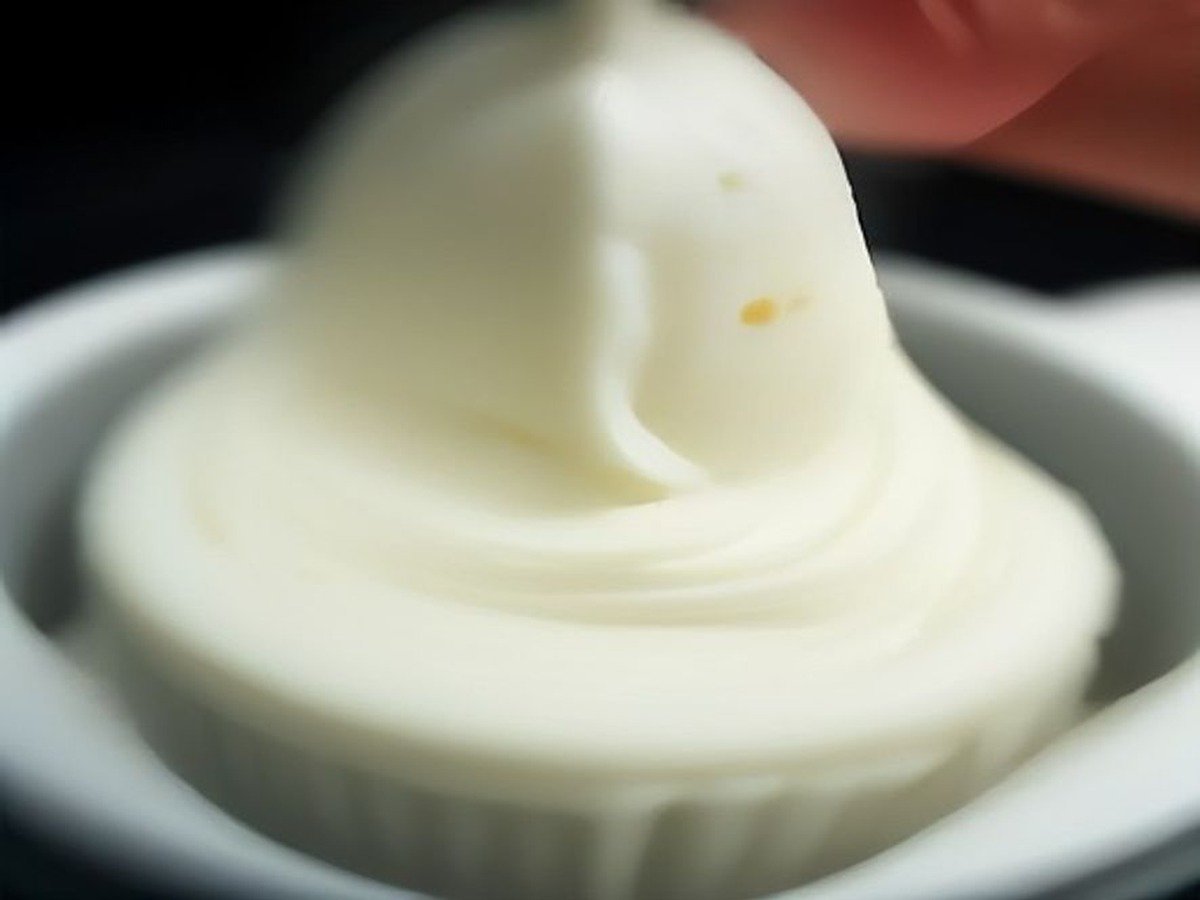
Understanding the delicate nature of a fat-and-sugar emulsion is the first step toward professional baking success. If your frosting breaks or separates during the storage process, you might need to reference our guide on how to fix runny buttercream in advance to salvage your batch.
The Culinary Science of Buttercream Texture
Buttercream is fundamentally an emulsion of fat (butter), sugar, and liquid (milk, cream, or egg whites). Fat crystallization dictates the physical stability of this system. When butter is whipped, it traps tiny air pockets inside a solid fat matrix, creating a light, fluffy mouthfeel. Improper temperature control during storage causes fat crystals to destabilize, leading to a grainy or greasy texture. For a similar technique, check out our how to fix runny buttercream without icing sugar: Easy 15-Minute Guide.
Sugar acts as a hygroscopic agent, meaning it attracts and holds water molecules. If exposed to dry refrigerator air, buttercream will lose essential moisture, resulting in a crusty outer layer and a dense interior. Conversely, high humidity causes the sugar to dissolve on the surface, making the frosting weep and lose its structural integrity. Managing these thermodynamic shifts is critical when you want to learn how long does it take to make how to fix runny buttercream without icing sugar or how to preserve a completed batch.
Method-by-Method Storage Guide
Different types of buttercream demand distinct storage protocols based on their dairy and egg content:
- Room Temperature (Short-term): American buttercream can safely sit at room temperature for up to 48 hours if your kitchen stays below 70°F (21°C). Cover it directly with plastic wrap to prevent a crust from forming.
- Refrigerator Storage (Medium-term): Pack the buttercream tightly into a glass or BPA-free plastic container, press plastic wrap directly onto the surface to block air exposure, and seal with a tight lid. This method preserves texture for up to seven days.
- Freezer Storage (Long-term): Transfer the buttercream to a heavy-duty freezer bag, press out all excess air, and freeze for up to three months. Thaw it overnight in the refrigerator before bringing it to room temperature.
If your thawed or stored frosting lacks stability, you can explore alternative thickening techniques by reviewing secrets to fixing runny buttercream without icing sugar. You can also explore our How long does it take to make how to fix runny buttercream without icing sugar?: Easy 15-Minute Guide.
Troubleshooting Common Storage Issues
Even with careful wrapping, temperature fluctuations can disrupt your frosting’s emulsion. Use the table below to diagnose and resolve texture issues quickly.
| Issue | Scientific Cause | Quick Fix |
|---|---|---|
| Graininess | Sugar recrystallization or fat separation due to rapid cooling. | Gently warm a small portion of the frosting, then blend it back into the main batch while whipping vigorously. |
| Separated/Curdled | The emulsion broke because fat and liquid temperatures did not match. | Microwave one-fourth of the mixture for 5 to 10 seconds, then rewhip on high speed until smooth. |
| Dry and Crusty | Evaporation of moisture from the outer layer during refrigeration. | Knead in a few drops of warm whole milk or heavy cream and beat with a paddle attachment. |
Professional Tips for Revival
Never apply cold buttercream directly to a cake. Cold butterfat is rigid, which will tear delicate cake crumbs and ruin your finish. Always allow refrigerated buttercream to return completely to room temperature, typically taking two to four hours depending on the batch size.
Once the temperature reaches approximately 68°F to 72°F (20°C to 22°C), place the bowl on a stand mixer fitted with the paddle attachment. Whip the frosting on medium-low speed for three to five minutes. This mechanical action reintroduces air into the fat matrix, restoring that freshly made, velvety texture without adding extra ingredients.
👩🍳 Step-by-Step Instructions
- Step 1: Prepare all fresh ingredients by washing, trimming, and measuring precisely.
- Step 2: Combine core ingredients in a large mixing bowl according to prep directions.
- Step 3: Whisk dressing or seasoning ingredients separately until fully emulsified.
- Step 4: Toss ingredients gently with dressing until thoroughly coated.
- Step 5: Garnish with fresh herbs and serve immediately for maximum flavor.
📖 You might also love these How recipes:
- → This pairs perfectly with our How long does it take to make how to fix runny buttercream without icing sugar?: Easy 15-Minute Guide
- → Complement this dish with our how to fix runny buttercream without icing sugar: Easy 15-Minute Guide
- → This pairs perfectly with our Secrets to Fixing Runny Buttercream Without Icing Sugar: 5 Proven Chef Solutions